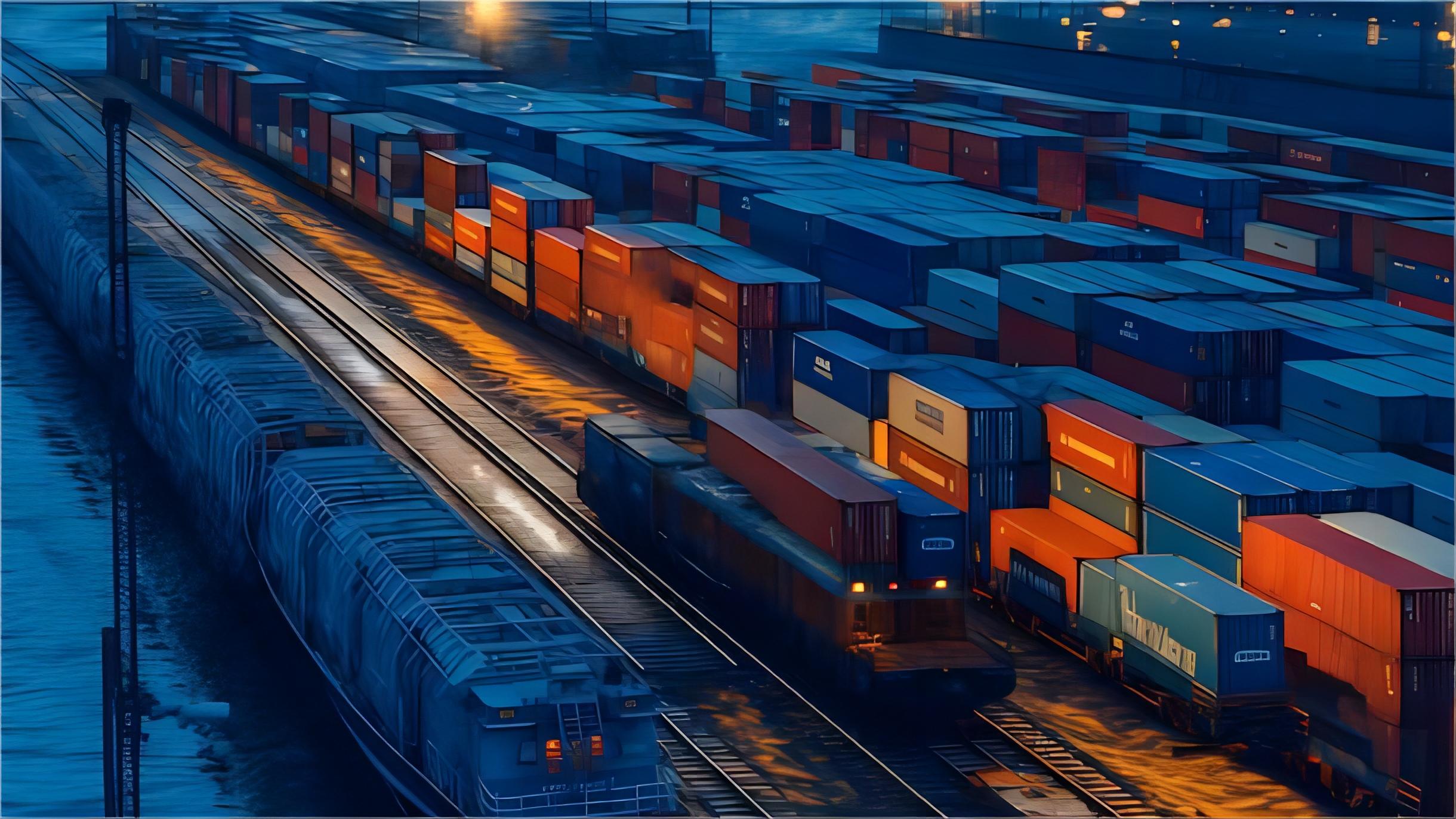


Sea Freight China Global: Ultimate Guide to Shipping and Rates
Navigating the complex world of international trade requires a deep understanding of sea freight china global logistics to ensure long-term profitability. Many businesses struggle with fluctuating market rates and complicated customs procedures when importing goods from Asia. By partnering with China Freight Service, you can streamline your entire supply chain and reduce unnecessary overhead costs. This guide provides comprehensive insights into ocean transport strategies that help companies scale their operations internationally while maintaining high service standards.
Why Choose Sea Freight China Global for Your Business?
Sea freight remains the most economical choice for transporting large volumes of goods across the ocean. Furthermore, it provides the massive capacity needed for oversized cargo that other transport methods simply cannot accommodate efficiently. This method is particularly effective for companies looking to maintain a stable inventory flow while minimizing their overall logistics expenses. Consequently, many global importers prioritize sea freight for their primary supply chain needs.
Shipping by sea allows for significant economies of scale, especially when dealing with heavy industrial equipment or bulk consumer goods. Moreover, modern containerization has greatly improved the safety and security of cargo during long-distance transit. Businesses can choose between various container sizes to match their specific volume requirements and budget constraints. Indeed, the reliability of scheduled ocean departures makes it easier for managers to plan their production and distribution cycles effectively.
Environmental considerations also play a role in the preference for ocean transport over other modes. Ships generally have a lower carbon footprint per ton-mile compared to cargo planes, making it a greener choice for sustainable brands. Additionally, the development of smarter port infrastructure in China has drastically reduced loading times and improved overall efficiency. Therefore, choosing a robust sea freight strategy is not just about cost but also about long-term operational resilience.
How Does Sea Freight Compare to Other Shipping Options?
Understanding the differences between various transport modes is essential for making informed logistics decisions in a competitive market. While sea freight offers the lowest cost per unit, air freight provides significantly faster transit times for urgent shipments. Businesses must carefully weigh the trade-offs between speed and budget to determine the best fit for their specific cargo type. For instance, high-value electronics might justify the higher costs of air transport, whereas bulk raw materials are better suited for the ocean.
Rail transport has also emerged as a viable middle-ground solution for shipments moving between China and Europe. However, for destinations like North America or Australia, sea freight remains the only high-capacity alternative to air travel. Each method comes with its own set of limitations regarding weight, volume, and hazardous material restrictions. Accordingly, a hybrid approach using different modes for different product lines is often the most effective strategy for global enterprises.
| Shipping Method | Cost Range | Transit Time | Best For |
|---|---|---|---|
| Sea Freight | $1,500 – $5,000 | 15 – 45 Days | Bulk goods and large volumes |
| Air Freight | $5,000 – $20,000 | 3 – 7 Days | High-value or urgent items |
| Rail Freight | $3,000 – $7,000 | 15 – 22 Days | Europe-bound mid-range cargo |
| Express Service | $200 – $1,000+ | 2 – 5 Days | Samples and small parcels |
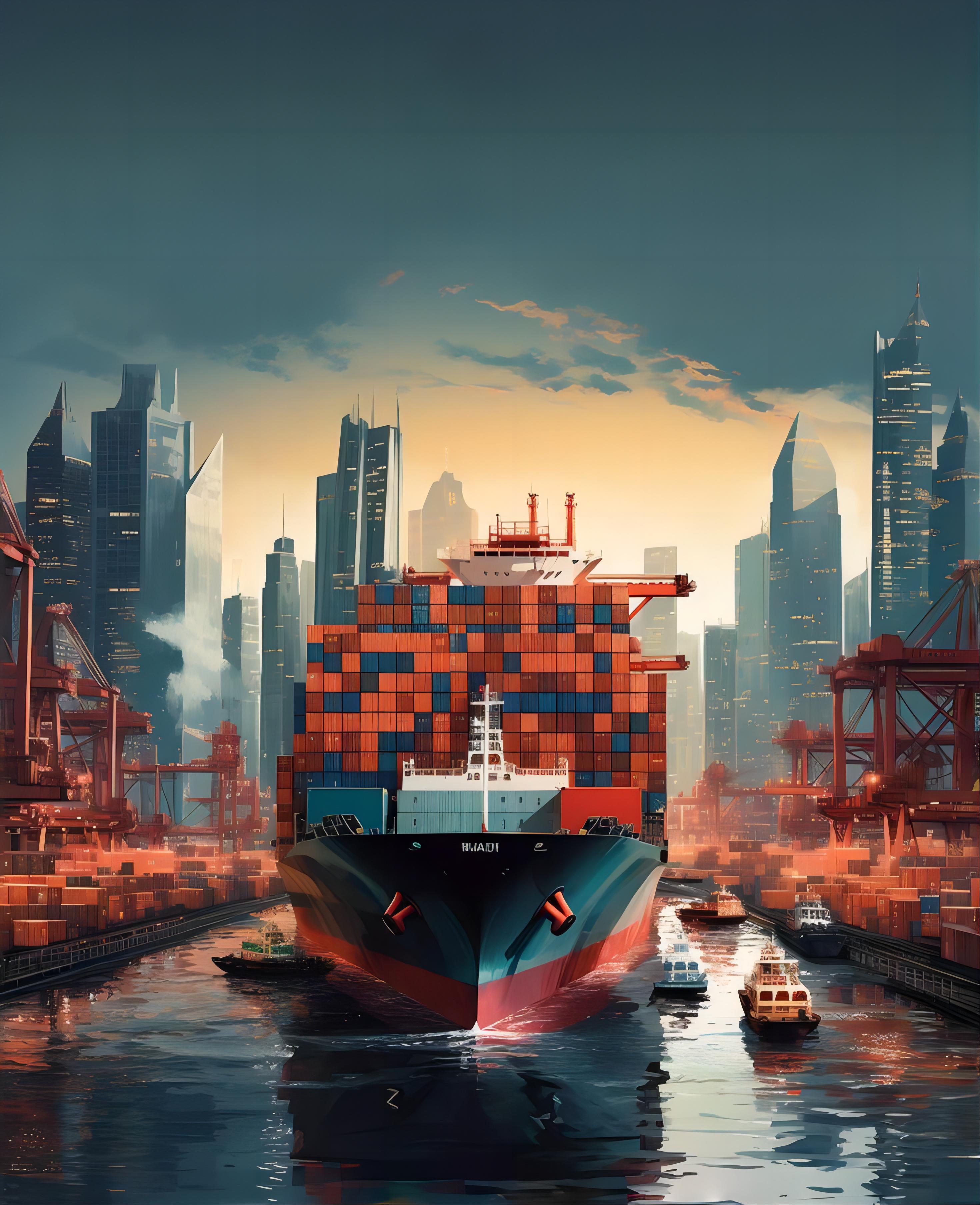
FCL vs LCL: Choosing the Right Container Strategy
Selecting between Full Container Load (FCL) and Less than Container Load (LCL) depends largely on your specific shipment volume and urgency. FCL is generally faster and more secure because the entire container is dedicated to a single consignee, reducing handling at intermediate ports. On the other hand, LCL allows smaller businesses to share container space and only pay for the exact volume they use. This flexibility is vital for Amazon FBA sellers who need to manage their inventory levels precisely.
Cost-saving strategies often involve consolidating multiple small shipments into a single FCL to avoid the higher per-cubic-meter rates of LCL. Nevertheless, LCL remains a powerful tool for testing new markets without committing to massive inventory purchases. Meanwhile, shippers must be aware that LCL shipments might experience slightly longer transit times due to the consolidation and deconsolidation processes. Choosing the right strategy requires a clear understanding of your monthly volume and the sensitivity of your products to handling.
Essential Customs Documentation for Global Shipping
Navigating international trade laws requires meticulous attention to detail and highly accurate paperwork to avoid costly delays. Missing or incorrect documents can lead to significant bottlenecks at the port and unexpected storage fees that eat into your margins. Therefore, utilizing a professional customs brokerage service is highly recommended to ensure full compliance. Proper documentation includes the Bill of Lading, Commercial Invoice, and Packing List, all of which must match the physical cargo perfectly.
Different countries have unique requirements for specific types of goods, such as certificates of origin or safety permits. Furthermore, understanding the correct Harmonized System (HS) codes is crucial for determining the exact duties and taxes applicable to your shipment. Inaccurate classification can result in heavy fines or even the seizure of goods by customs authorities. Consequently, staying updated on changing trade regulations is a full-time job that is best handled by experienced logistics professionals.
Key Routes and Transit Times for Global Sea Freight
Shipping from China to major global ports involves various routes with differing transit durations based on geography and carrier schedules. For example, shipments to the US West Coast are much faster than those heading to the US East Coast or Northern Europe. Carriers like COSCO, Maersk, and MSC operate frequent schedules to ensure consistent delivery across these vital trade corridors. Meanwhile, some regions might benefit from rail freight as a middle-ground solution for inland destinations in Eurasia.
Transit times can also be affected by seasonal demand, port congestion, and weather conditions along the major shipping lanes. During peak seasons, such as the lead-up to the holidays, rates typically increase and space on vessels becomes limited. Accordingly, booking your shipments several weeks in advance is a standard practice for experienced logistics managers. Market data suggests that planning for a 10-15 percent buffer in transit time can help prevent stockouts during volatile periods.
| Route (From China) | 20GP Rate | 40HQ Rate | Transit Time |
|---|---|---|---|
| USA West Coast | $1,600 – $2,300 | $2,900 – $3,900 | 14 – 18 Days |
| USA East Coast | $2,600 – $3,600 | $4,600 – $6,100 | 30 – 35 Days |
| Europe (Main Ports) | $1,900 – $2,600 | $3,100 – $4,300 | 28 – 35 Days |
| Australia | $900 – $1,300 | $1,500 – $2,100 | 12 – 18 Days |
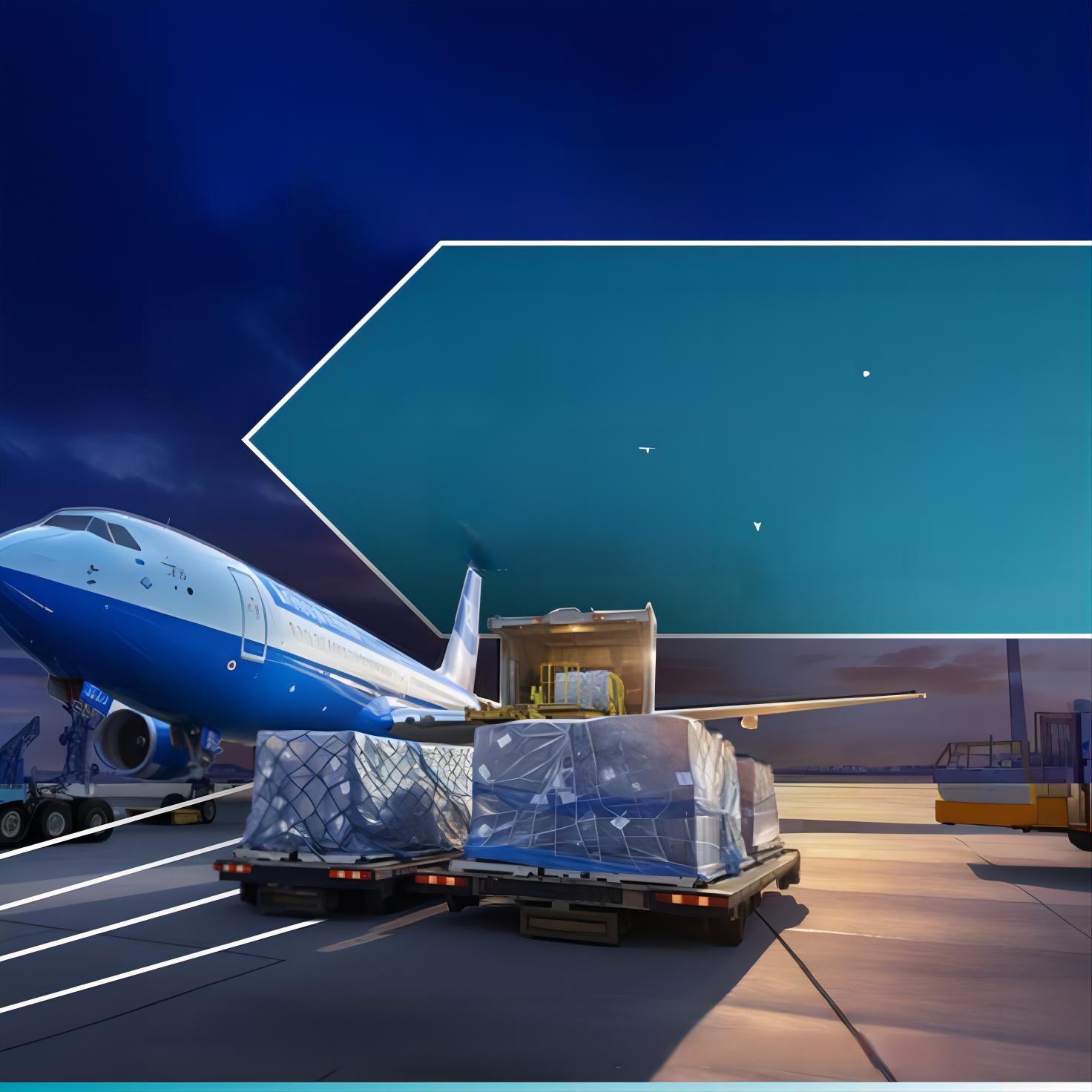
Real-World Case Studies in Global Logistics
Case Study 1: Efficiency in Electronics. Route: Shenzhen to Rotterdam. Cargo: Consumer Electronics, 65 CBM. Container: 40HQ. Shipping Details: Direct route via major carrier. Ocean Freight: $4,100. Origin/Destination Charges: $850. Total Landed Cost: $4,950. Timeline: 32 days total door-to-door. Key Insight: Booking 3 weeks in advance secured a rate 15 percent below the monthly average.
Case Study 2: Furniture Distribution. Route: Ningbo to Los Angeles. Cargo: Wooden Furniture, 28 CBM. Container: 20GP. Shipping Details: Direct service to LA Port. Ocean Freight: $2,050. Origin/Destination Charges: $700. Total Landed Cost: $2,750. Timeline: 17 days total. Key Insight: Using a direct route saved 5 days compared to transshipment options, preventing a retail stockout.
Note: Freight rates are subject to change based on fuel costs, carrier capacity, and seasonal demand. Contact us for a current quote tailored to your specific shipment.
Which Shipping Option Should You Choose?
The decision framework for choosing a shipping method should always start with your primary business objective. If your main priority is budget and you are moving large volumes, sea freight is the clear winner for most scenarios. However, if speed is the critical factor for a product launch, air freight is the necessary choice despite the higher cost. For shipments that fall in between, consider hybrid solutions or LCL services to balance cost and delivery time.
Volume thresholds also play a significant role in determining the most economical method for your business. Generally, shipments over 15 CBM are more cost-effective when sent via a full 20GP container rather than LCL. On the other hand, very small shipments under 100kg are almost always better suited for express courier services. By analyzing these factors, you can develop a logistics strategy that supports both your operational needs and your financial goals.
Mastering Global Logistics
In conclusion, mastering sea freight china global operations is a fundamental requirement for any business involved in international trade. By understanding the nuances of FCL and LCL, navigating customs with professional help, and choosing the right routes, you can significantly reduce your landed costs. Moreover, staying adaptable to market trends and seasonal changes will ensure your supply chain remains resilient. Trusting an experienced partner to handle these complexities allows you to focus on growing your business and serving your customers better.
Ready to streamline your logistics?
Ready to optimize your supply chain with reliable sea freight china global solutions? Contact our expert team today to receive a customized quote and streamline your international shipping process. Send Inquiry: https://chinafreightservice.com/
Request Quote