

Ocean Freight From China Fast Delivery: 2026 Shipping Guide
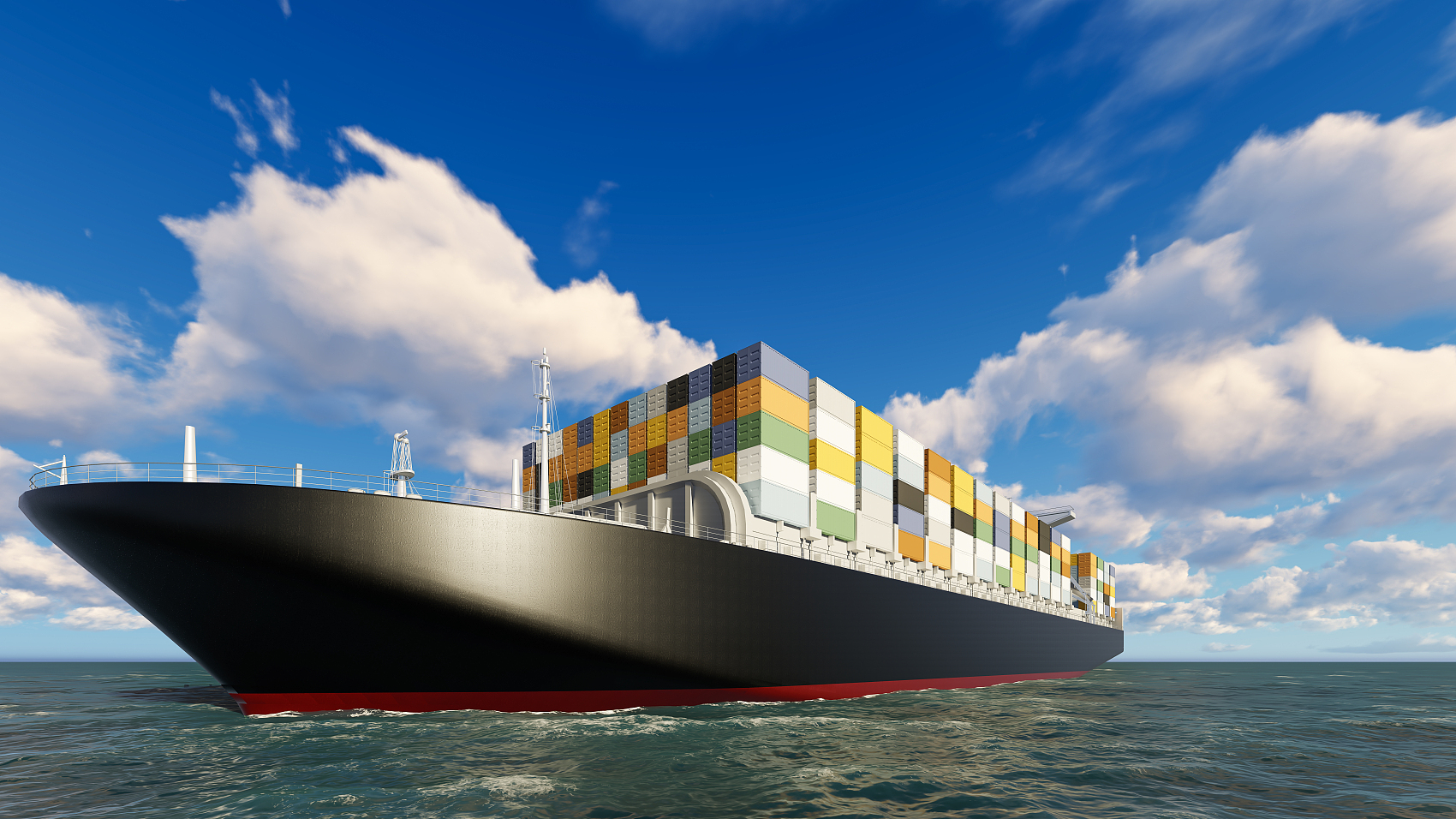
Importers frequently struggle with the long lead times associated with traditional maritime transport, yet modern logistics have evolved to offer much faster alternatives. As the global supply chain stabilizes in 2026, finding reliable China Freight Service providers has become the cornerstone of successful retail and manufacturing operations. This comprehensive guide explores how you can leverage ocean freight from china fast delivery to maintain lean inventory while significantly reducing your international shipping expenditure. Consequently, businesses can now enjoy the middle ground between expensive air transport and sluggish standard sea routes.

How Does Ocean Freight From China Fast Delivery Compare to Other Shipping Options?
Selecting the right transportation mode requires a careful balance between your budget constraints and the urgency of your inventory needs. While standard sea freight remains the most economical choice for massive volumes, expedited ocean freight from china fast delivery serves as a premium alternative that bridges the gap. In contrast, air freight offers the highest speed but often at a cost that erodes profit margins for bulky goods.

Moreover, the emergence of fast-boat services has revolutionized how we view maritime transit times in 2026. These services utilize dedicated terminals and faster vessels to shave off nearly two weeks compared to traditional slow-steaming routes. Therefore, understanding the technical differences between these methods is essential for any modern importer looking to optimize their supply chain.
| Shipping Method | Cost Range (USD) | Transit Time | Best For |
|---|---|---|---|
| Expedited Sea | 2,500 – 4,200 | 12-22 Days | High-value retail goods |
| Standard Sea | 1,500 – 2,800 | 30-45 Days | Bulk raw materials |
| Air Freight | 15,000 – 25,000 | 3-7 Days | Urgent electronics |
| Rail Freight | 3,000 – 5,000 | 18-25 Days | Central Europe routes |
Why Expedited Sea Freight is a Game Changer in 2026
The logistics landscape has shifted dramatically following the disruptions of previous years, leading to a surge in demand for sea freight solutions that prioritize speed. Carriers have invested heavily in high-speed vessels and priority offloading agreements at major ports like Long Beach and Rotterdam. Additionally, these expedited services often include guaranteed equipment availability, which prevents the common headache of container shortages during peak seasons.
Furthermore, the integration of real-time tracking and automated documentation has streamlined the entire process. Meanwhile, shippers who utilize these fast-track options report a 30% reduction in their average warehouse holding costs. Indeed, the ability to move goods quickly across the ocean without paying air cargo rates has become a vital competitive advantage for e-commerce brands.
Critical Factors Influencing Transit Times for Fast Delivery
Several variables dictate how quickly your cargo moves from a Chinese factory to your local warehouse. Primarily, the choice of departure port plays a massive role, as southern ports like Shenzhen often offer more frequent direct sailings than smaller inland hubs. Nevertheless, port congestion at the destination remains a significant wildcard that can delay even the fastest vessels.
Accordingly, choosing a freight forwarder with priority berthing rights is essential for ensuring ocean freight from china fast delivery. For instance, certain premium services bypass the general queue at the port of discharge, moving directly to a dedicated chassis pool. Without a doubt, these logistical nuances are what separate a standard 40-day shipment from a 15-day expedited delivery.
The Role of Port Selection and Departure Schedules
Selecting a port with high maritime logistics efficiency, such as Shanghai or Ningbo, ensures access to the latest vessel departures. These hubs operate 24/7 and utilize advanced automation to minimize cargo handling time. Consequently, your goods spend less time sitting on the dock and more time moving toward their destination.
Impact of Weather and Seasonal Peak Demands
Weather patterns in the South China Sea can occasionally disrupt even the most disciplined delivery schedule. During the typhoon season, transit times might fluctuate by several days due to safety rerouting. Additionally, the Q3 peak season typically sees a 20% increase in freight rates and potential space constraints.
Case Studies: Real-World Examples of Fast Ocean Freight
To understand the practical application of these services, we must examine actual shipments handled during the 2025-2026 period. These examples highlight the costs, timelines, and strategic decisions made by successful importers. Each case demonstrates how specific logistics choices resulted in superior outcomes compared to standard shipping methods.
Case Study 1: Electronics Distribution to California
Route: Shenzhen, China to Long Beach, USA. Cargo: Consumer Electronics, 18 CBM, 4,500 kg. Container: LCL (Less than Container Load). Shipping Details: Utilized a premium ‘fast boat’ carrier with direct sailing. Port of Loading: Shenzhen. Port of Discharge: Long Beach. Cost Breakdown: Ocean Freight $2,450, Origin Charges $400, Destination Charges $650, Customs $300. Total Landed Cost: $3,800. Timeline: Booking to Loading 3 days, Sea Transit 12 days, Customs Clearance 2 days. Total Door-to-Door: 17 days. Key Insight: Choosing a carrier with a dedicated terminal in Long Beach avoided the 10-day congestion delay seen by other vessels.
Case Study 2: Fashion Apparel to Germany
Route: Ningbo, China to Hamburg, Germany. Cargo: Seasonal Apparel, 65 CBM. Container: 40HQ. Shipping Details: Direct routing with priority discharge. Port of Loading: Ningbo. Port of Discharge: Hamburg. Cost Breakdown: Ocean Freight $3,900, Origin Charges $550, Destination Charges $800, Customs $450. Total Landed Cost: $5,700. Timeline: Booking to Loading 4 days, Sea Transit 26 days, Customs Clearance 3 days. Total Door-to-Door: 33 days. Key Insight: Using Amazon FBA preparation services at the source allowed the goods to go straight to the fulfillment center upon arrival.
Which Option Should You Choose? Decision Framework
Determining whether to invest in expedited ocean freight from china fast delivery depends on your specific business metrics. If your product has a high value-to-weight ratio, the cost of capital tied up in transit might justify the premium for speed. On the other hand, low-margin commodities are usually better suited for standard maritime routes where cost-saving is the primary objective.
Furthermore, consider your inventory turnover rate and the cost of being out of stock. For many retailers, the loss of sales due to a 40-day wait period far outweighs the extra $1,000 spent on a faster vessel. Therefore, we recommend using the following criteria to make your final logistics decision.
Budget Priority vs. Speed Priority
When budget is the only concern, standard sea freight is unbeatable. However, when speed is a priority but air freight is too expensive, expedited ocean transit is the logical choice. This hybrid approach allows you to maintain a steady flow of goods without the volatility of air cargo pricing.
Cargo Type and Volume Thresholds
Small shipments under 15 CBM often benefit from LCL expedited services. Conversely, once you reach full container volumes, the price gap between standard and fast FCL services narrows significantly. Always calculate the total landed cost per unit to see the true impact on your bottom line.
Cost-Saving Strategies for Expedited Sea Freight
Reducing your expenses while maintaining high-speed delivery requires a strategic approach to cargo consolidation. By grouping multiple smaller orders into a single shipment, you can often qualify for better rates from your logistics partner. Additionally, booking your space at least three weeks in advance can protect you from sudden price spikes in the spot market.
Moreover, optimizing your packaging to maximize container utilization is a simple yet effective way to lower costs. Meanwhile, negotiating long-term contracts with a reliable provider of door to door services can provide price stability throughout the year. As a result, you gain the benefits of fast delivery without the unpredictability of fluctuating freight rates.
Navigating Customs and Documentation for Speed
Delays in customs clearance can easily negate the time saved by a fast vessel. Therefore, ensuring all paperwork is perfectly accurate before the ship even leaves China is a non-negotiable requirement. Working with an experienced customs brokerage ensures that your HS codes are correct and all duties are calculated accurately.
In addition, many fast-delivery services offer ‘pre-clearance’ where documentation is submitted while the cargo is still at sea. Consequently, the goods can be released by customs almost immediately upon arrival at the port. This proactive approach is essential for maintaining the integrity of an expedited shipping schedule.
| Document Name | Purpose | Timing | Criticality |
|---|---|---|---|
| Commercial Invoice | Value declaration | Before departure | High |
| Packing List | Content verification | Before departure | High |
| Bill of Lading | Title of goods | At departure | Critical |
| CO (Origin) | Duty reduction | Before arrival | Medium |
Global Logistics Trends Affecting China Routes in 2026
As we progress through 2026, several industry trends are shaping the future of ocean freight from china fast delivery. The adoption of green ammonia and methanol-powered ships is increasing, which may lead to new ‘green lanes’ with priority port access. Furthermore, the expansion of trade routes into North America via secondary ports is helping to alleviate the pressure on traditional hubs.
Indeed, digital twins and AI-driven route optimization are now standard tools for major carriers. These technologies allow vessels to adjust their speed and path in real-time to avoid storms or port bottlenecks. Consequently, the reliability of transit times has reached an all-time high, making expedited sea freight a more dependable option than ever before.
Mastering Fast Ocean Freight in 2026
To summarize, achieving ocean freight from china fast delivery is no longer a logistical pipe dream but a practical reality for businesses of all sizes. By selecting expedited services, optimizing your documentation, and choosing the right departure hubs, you can significantly reduce lead times. These strategies allow you to respond more quickly to market trends while keeping your shipping costs under control. As global trade continues to evolve, staying informed about the latest maritime logistics efficiency trends will remain your greatest asset in a competitive marketplace.
Need a tailored shipping solution?
Ready to accelerate your supply chain with ocean freight from china fast delivery? Contact our expert team today for a customized quote that balances speed and cost. Visit China Freight Service to start your inquiry and secure your 2026 shipping space now.