


China Trucking and Delivery Service International Shipping Solutions for 2026
China trucking and delivery service international shipping serves as the vital link between manufacturing hubs and global markets. Navigating the complexities of 2026 logistics requires a strategic approach to ensure your cargo moves efficiently across borders. By partnering with China Freight Service, businesses can overcome supply chain bottlenecks and optimize their delivery schedules. This guide explores how modern trucking infrastructure integrates with air, sea, and rail to provide seamless end-to-end solutions for importers worldwide.

What is China Trucking and Delivery Service International Shipping?
International shipping from China involves a sophisticated network of first-mile trucking, consolidation centers, and cross-border transport. Trucking serves as the primary method for moving goods from inland factories to major ports like Shanghai, Ningbo, or Shenzhen. Moreover, these services provide the necessary flexibility to handle diverse cargo types ranging from electronics to heavy machinery. Consequently, understanding the synergy between domestic trucking and international freight is essential for any successful import business.
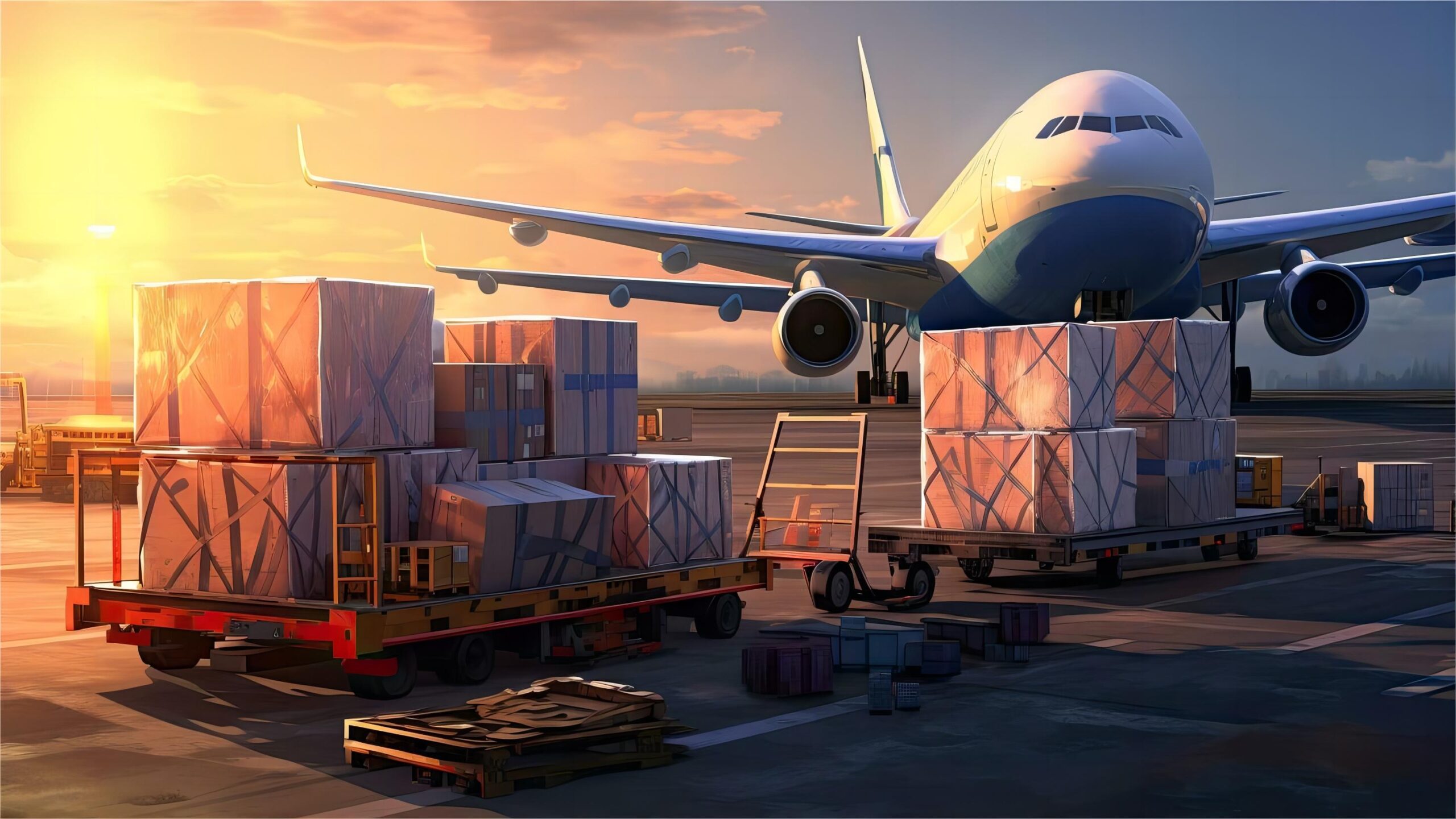
Furthermore, the landscape of 2026 logistics emphasizes the importance of real-time tracking and digital integration. Modern trucking fleets are now equipped with advanced telematics that provide visibility throughout the supply chain. Therefore, shippers can monitor their goods from the moment they leave the factory floor until they reach the final destination. This transparency reduces uncertainty and allows for better inventory management in a competitive global market.
Additionally, the role of delivery services extends beyond simple transportation to include warehousing and value-added services. Many providers now offer labeling, kitting, and quality inspections at the point of origin. Indeed, these services streamline the process, ensuring that products are ready for immediate distribution upon arrival in the destination country. Without a doubt, a comprehensive trucking and delivery strategy is the foundation of a resilient supply chain.
How Does China Trucking and Delivery Service International Shipping Compare to Other Options?
Selecting the right transport mode requires a careful analysis of cost, speed, and cargo volume. While trucking is essential for the first and last mile, the main international leg can vary significantly. For example, sea freight remains the most economical choice for large-scale shipments, despite having the longest transit times. In contrast, air freight offers unparalleled speed for high-value or time-sensitive goods.
Meanwhile, rail freight has emerged as a middle-ground solution, particularly for shipments destined for Europe. It provides a faster alternative to sea transport at a fraction of the cost of air freight. Nevertheless, each method has its own set of limitations regarding weight and hazardous material restrictions. Accordingly, businesses must weigh these factors against their specific budget and delivery requirements.
| Shipping Method | Cost Range | Transit Time | Best For | Limitations |
|---|---|---|---|---|
| Sea Freight (FCL) | $1,800 – $4,500 | 25 – 40 Days | Bulk Goods | Slow Speed |
| Air Freight | $5.50 – $12.00/kg | 3 – 7 Days | High Value | High Cost |
| Rail Freight | $120 – $200/CBM | 15 – 22 Days | Mid-size Cargo | Land Routes Only |
| Trucking (Cross-border) | $1,500 – $3,000 | 10 – 15 Days | Regional Delivery | Distance Limits |
Which Option Should You Choose? A Decision Framework
Determining the optimal shipping strategy depends on your primary business objectives. If your priority is minimizing expenses, sea freight is generally the superior option for shipments exceeding 15 CBM. On the other hand, if you are launching a new product and need to meet a strict deadline, air freight is the most reliable choice. For instance, many e-commerce sellers utilize air transport to maintain low inventory levels and respond quickly to market trends.
Volume thresholds also play a critical role in the decision-making process. For shipments under 100kg, express services often provide the best value due to their all-inclusive pricing and simplified customs procedures. However, once a shipment reaches the size of a full container, the cost-effectiveness of sea freight becomes undeniable. Therefore, we recommend evaluating your shipping volume quarterly to ensure you are using the most efficient method available in 2026.
Understanding 2026 Freight Rates and Market Trends
Freight rates in 2026 have stabilized following the volatility seen in previous years. According to industry benchmarks, the average cost for a 40HQ container from China to the US West Coast currently ranges between $2,800 and $3,800. In addition, seasonal fluctuations still impact pricing, with rates typically increasing by 15-25% during the peak season from August to October. Consequently, early booking is highly recommended to secure capacity and avoid premium surcharges.
Market data suggests that fuel costs and carrier capacity remain the primary drivers of price changes. Furthermore, environmental regulations are prompting many shipping lines to invest in greener technologies, which may lead to modest increases in base rates. Meanwhile, the expansion of the China-Europe railway has provided more options for shippers looking to avoid maritime congestion. Indeed, staying informed about these trends is crucial for accurate budgeting and supply chain planning.
| Route | 20GP Container | 40HQ Container | Avg Transit Time |
|---|---|---|---|
| China to Europe | $1,900 – $2,600 | $3,200 – $4,400 | 32 Days |
| China to USA (West) | $1,600 – $2,300 | $2,900 – $3,900 | 16 Days |
| China to Australia | $850 – $1,300 | $1,500 – $2,100 | 15 Days |
| China to UK | $2,100 – $2,900 | $3,600 – $4,600 | 35 Days |
The Role of Rail in China Trucking and Delivery Service International Shipping
Rail transport has become an integral part of the China trucking and delivery service international shipping ecosystem. By utilizing rail freight, companies can transport goods from inland manufacturing hubs like Chengdu or Chongqing directly to European rail terminals. This method bypasses the need for long-distance domestic trucking to coastal ports. As a result, shippers can save both time and money on the first leg of the journey.
Moreover, the reliability of rail schedules has improved significantly in 2026. Fixed departures and dedicated lanes ensure that cargo moves predictably across the Eurasian land bridge. Additionally, rail transport is considered more environmentally friendly than air or road transport. For this reason, many multinational corporations are incorporating rail into their sustainability goals while maintaining efficient delivery schedules.
Navigating Customs and Documentation Requirements
Effective customs clearance is the cornerstone of international shipping success. Every shipment requires a specific set of documents, including a commercial invoice, packing list, and bill of lading. Furthermore, working with a professional customs brokerage can prevent costly delays and ensure compliance with local regulations. For example, misclassifying goods under the Harmonized System (HS) codes can lead to fines or seizure of cargo.
In addition, 2026 has seen the implementation of new digital customs platforms in many countries. These systems require electronic submission of data well in advance of the cargo’s arrival. Consequently, maintaining accurate records and ensuring data integrity is more important than ever. To summarize, proactive documentation management is the best way to avoid unexpected hurdles at the border.
| Document Name | Purpose | Responsible Party | Criticality |
|---|---|---|---|
| Commercial Invoice | Valuation and Duties | Exporter | Mandatory |
| Packing List | Cargo Verification | Exporter | Mandatory |
| Bill of Lading | Title of Goods | Carrier | Mandatory |
| Certificate of Origin | Trade Agreements | Exporter | Optional/Required |
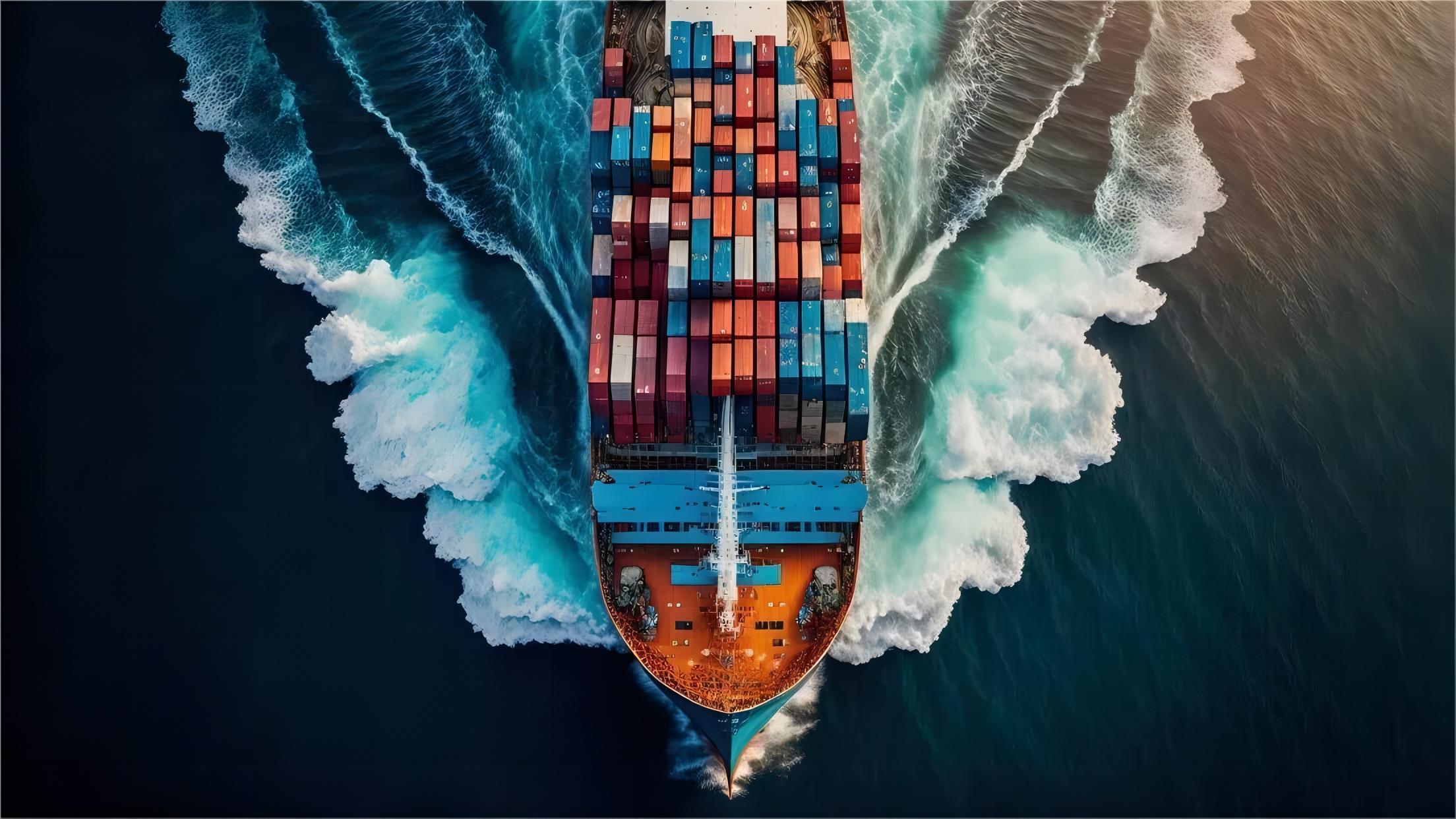
Real-World Case Studies in International Logistics
Case Study 1: Electronics from Shenzhen to Hamburg. Route: Shenzhen to Hamburg via Rail. Cargo: Consumer Electronics, 28 CBM, 4500 kg. Container: 40HQ. Shipping Details: Major carrier via Xi’an terminal. Cost Breakdown: Ocean/Rail Freight: $3,400; Origin Charges: $450; Destination Charges: $600; Total Landed Cost: $4,450. Timeline: Booking to Loading: 3 days; Transit: 21 days; Clearance: 2 days; Total: 26 days. Key Insight: Rail provided a 15-day saving over sea freight at a manageable cost increase.
Case Study 2: Apparel from Guangzhou to Los Angeles. Route: Guangzhou to Los Angeles via Sea. Cargo: Cotton Garments, 12 CBM, 2200 kg. Container: LCL. Shipping Details: Direct service to Port of Los Angeles. Cost Breakdown: Ocean Freight: $1,100; Origin Charges: $300; Destination Charges: $550; Total Landed Cost: $1,950. Timeline: Booking to Loading: 4 days; Transit: 16 days; Clearance: 3 days; Total: 23 days. Key Insight: LCL was the most cost-effective method for this volume, despite slightly longer handling times at the port.
Case Study 3: Industrial Parts from Ningbo to Sydney. Route: Ningbo to Sydney via Sea. Cargo: Spare Parts, 35 CBM, 8000 kg. Container: 40GP. Shipping Details: Direct service via COSCO. Cost Breakdown: Ocean Freight: $1,650; Origin Charges: $400; Destination Charges: $700; Total Landed Cost: $2,750. Timeline: Transit: 14 days; Door-to-Door: 20 days. Key Insight: Direct routes to Australia offer some of the fastest transit times and lowest rates in the 2026 market.
The Importance of Door to Door Delivery Services
Managing multiple logistics providers can be a daunting task for many businesses. Therefore, many choose door to door solutions to simplify the process. This service covers every aspect of the shipment, from factory pickup in China to final delivery at your warehouse. By consolidating these steps, you reduce the risk of communication errors and cargo damage during transfers.
Furthermore, a single point of contact provides better accountability throughout the shipping journey. If an issue arises at a transshipment port, your service provider handles the resolution without you needing to contact multiple parties. Indeed, this holistic approach allows business owners to focus on their core operations while experts manage the complexities of China trucking and delivery service international shipping.
Mastering Your International Shipping Strategy
To summarize, successful China trucking and delivery service international shipping depends on a combination of strategic planning and reliable partnerships. By understanding the various transport modes and their associated costs, you can make informed decisions that benefit your bottom line. Moreover, staying updated on 2026 market trends and customs requirements will help you navigate the ever-changing logistics landscape with confidence.
As global trade continues to evolve, the integration of technology and multimodal transport will remain essential. Whether you are shipping small parcels or full containers, the right approach ensures your goods arrive safely and on time. Remember that freight rates are subject to change based on fuel costs and seasonal demand, so always seek current professional advice for your specific shipments.
Get Your Shipping Quote Today
Optimizing your supply chain requires a partner who understands the nuances of global trade. Whether you need urgent air freight or cost-effective sea transport, China trucking and delivery service international shipping solutions are just a click away. Contact our expert team today to receive a customized quote and streamline your logistics for 2026. Visit our website to learn more about how we can support your business growth. Send Inquiry: https://chinafreightservice.com/
Request Quote