

China Trucking and Delivery Service Express Logistics: 2026 Global Guide
“Navigating the complexities of global trade requires a robust partner for your china trucking and delivery service express logistics needs. China Freight Service provides seamless integration between inland transport and international shipping lanes. Businesses today demand speed and reliability to maintain competitive supply chains in the 2026 market. Consequently, choosing the right logistics strategy is essential for long-term success.”

What is China Trucking and Delivery Service Express Logistics?
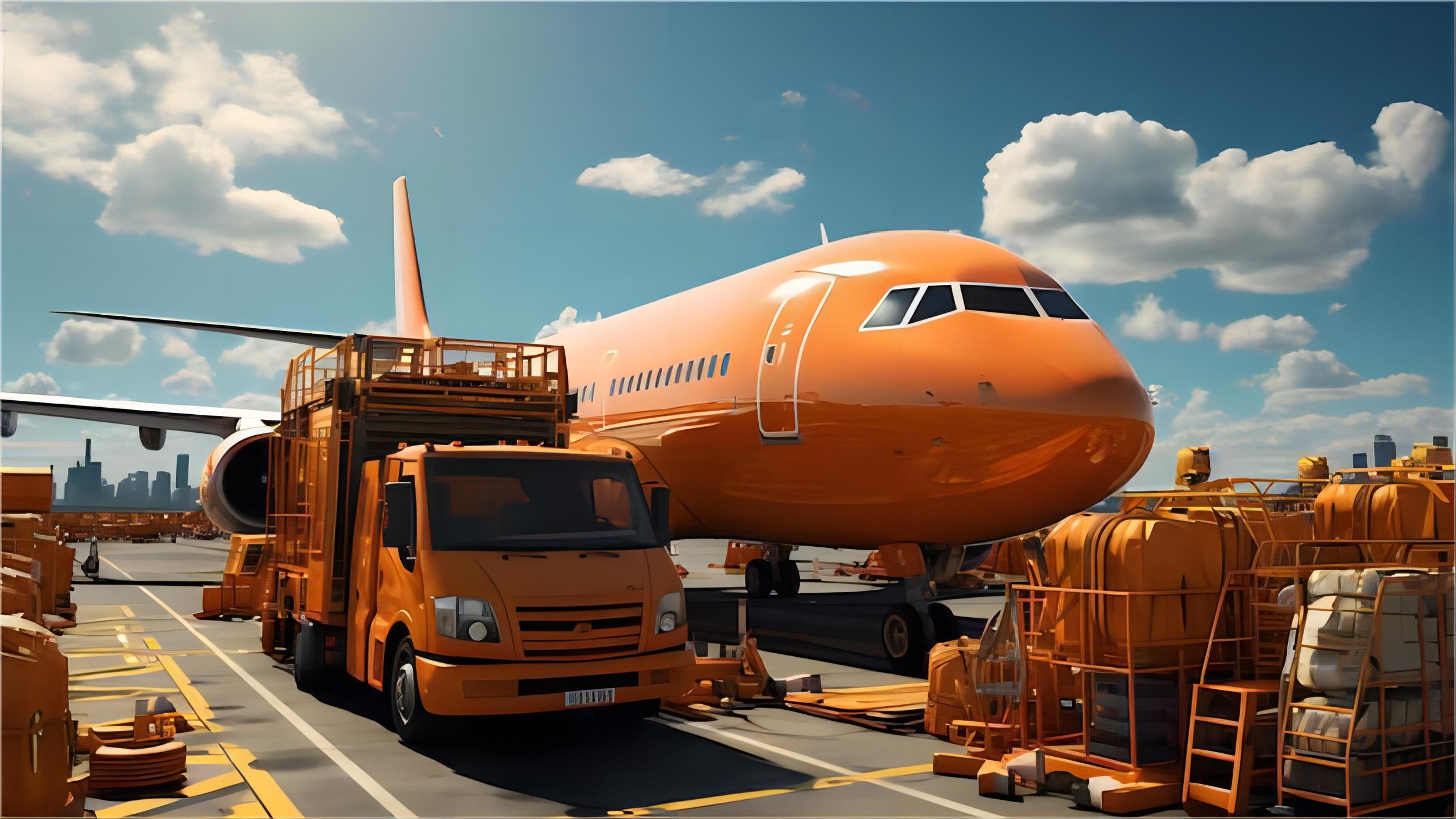
❖This comprehensive service integrates local road transport with international shipping networks to ensure seamless movement of goods. Most shipments begin with a truck picking up inventory directly from factories in manufacturing hubs like Shenzhen, Ningbo, or Suzhou. Furthermore, these items are then consolidated at a central hub before being dispatched to their final international destination.
Utilizing a professional express service ensures that your inventory moves without unnecessary delays at transit points. In addition, modern logistics providers use advanced software to coordinate every step of the journey. Reliability in the first mile of transport is just as critical as the final delivery to your warehouse.
Choosing an integrated approach allows businesses to manage their supply chain with greater visibility and fewer points of failure. Every shipment requires careful planning to align trucking schedules with vessel departures or flight times. Indeed, the synchronization of local and international logistics is the hallmark of a high-quality delivery service.
How Does China Trucking and Delivery Service Express Logistics Compare to Other Shipping Options?
❖Comparing different transport modes is essential for optimizing your logistics budget and meeting customer expectations. While air freight offers the fastest transit times, it typically carries the highest cost per kilogram. On the other hand, sea freight remains the most economical choice for high-volume shipments that are not time-sensitive.
Rail freight provides a middle-ground solution, especially for cargo moving from inland China to European markets. Nevertheless, the flexibility of trucking remains unmatched for domestic transport and short-haul international deliveries. For instance, moving goods to nearby Asian markets often relies heavily on road networks.
Market data suggests that hybrid solutions are becoming increasingly popular for businesses seeking a balance between cost and speed. Without a doubt, the choice of method depends on the specific requirements of the cargo and the urgency of the delivery. Consider the following comparison to determine which method suits your current needs.
| Shipping Method | Cost Range | Transit Time | Best For |
|---|---|---|---|
| Air Express | High ($5-10/kg) | 3-7 Days | Urgent/High Value |
| Sea Freight | Low ($1500-4000/FEU) | 20-40 Days | Bulk/Non-urgent |
| Rail Freight | Medium ($3000-5000/FEU) | 15-22 Days | China to Europe |
| Road/Trucking | Varies by distance | 1-5 Days | Regional/Inland |
Which Option Should You Choose for Your 2026 Shipments?
❖Decisions should be based on your specific cargo type, budget, and required delivery window in the 2026 market. Budget-priority shippers should prioritize sea freight for non-perishable goods and large volumes to maximize savings. In contrast, speed-priority shipments or high-value electronics often justify the expense of air or express delivery.
Volume thresholds play a significant role in determining when to switch from LCL to FCL shipping. For shipments under 15 CBM, LCL is often more economical, but larger volumes benefit from the security of a full container. Moreover, cargo type considerations like temperature sensitivity may mandate specialized reefer transport or expedited air services.
Always evaluate the trade-offs between direct routes and transshipment options to find the best value. Direct routes cost 10-15 percent more but save 5-7 days compared to transshipment via major hubs. Therefore, a clear understanding of your priorities will lead to the most effective logistics strategy for your business.
Maximizing Efficiency with China Trucking and Delivery Service Express Logistics
❖Efficiency in logistics often stems from better planning and real-time data integration throughout the supply chain. Implementing door to door solutions eliminates the need for multiple intermediaries and reduces administrative overhead. Consequently, your business can achieve faster turnaround times and improved customer satisfaction.
Many companies now use advanced tracking software to monitor every stage of the trucking process within China. This visibility allows for proactive management of potential delays caused by traffic or port congestion. Additionally, consolidating small shipments into larger loads can significantly reduce the overall shipping cost per unit.
Reliable logistics partners provide the expertise needed to navigate local regulations and infrastructure challenges. As a result, businesses can focus on their core operations while leaving the complex delivery tasks to professionals. Meanwhile, staying updated on infrastructure developments in China helps in selecting the fastest road routes.
Realistic Case Studies in China Trucking and Delivery Service Express Logistics
❖Case Study 1: Electronics from Shenzhen to Hamburg. Route: Shenzhen to Hamburg, Germany. Cargo: Consumer electronics, 25 CBM, 4500 kg. Container: LCL. Carrier: Major carrier. Port of Loading: Shenzhen. Port of Discharge: Hamburg. Route Type: Direct. Ocean Freight: 1850 USD. Origin Charges: 350 USD. Destination Charges: 420 USD. Customs and Duties: 1200 USD. Total Landed Cost: 3820 USD. Timeline: Booking to Loading 3 days, Sea Transit 32 days, Customs Clearance 2 days, Total Door-to-Door 37 days. Key Insight: Early booking during Q3 avoided peak season surcharges.
Case Study 2: Industrial Parts from Ningbo to Los Angeles. Route: Ningbo to Los Angeles, USA. Cargo: Machine parts, 68 CBM, 18000 kg. Container: 40HQ. Carrier: COSCO. Port of Loading: Ningbo. Port of Discharge: Los Angeles. Route Type: Direct. Ocean Freight: 3400 USD. Origin Charges: 400 USD. Destination Charges: 550 USD. Customs and Duties: 2100 USD. Total Landed Cost: 6450 USD. Timeline: Booking to Loading 4 days, Sea Transit 16 days, Customs Clearance 3 days, Total Door-to-Door 23 days. Key Insight: Using a 40HQ container provided the best volume-to-cost ratio for this heavy cargo.
Note: Freight rates are subject to change based on fuel costs, carrier capacity, and seasonal demand. Contact us for a current quote tailored to your specific shipment.
Navigating Customs Brokerage and Documentation
❖Navigating international trade requires meticulous attention to paperwork and regulatory compliance at every border. Working with a dedicated customs brokerage can prevent costly delays and potential fines. Important documents include the Bill of Lading, Commercial Invoice, and Packing List, all of which must be perfectly accurate.
Additionally, specific products may require specialized certificates or permits depending on the destination country and current trade laws. Errors in documentation are one of the most common causes of shipment delays in global logistics. Therefore, double-checking every detail before the cargo leaves the factory is a vital step for any importer.
Logistics trends in 2026 show an increasing shift toward digital documentation and automated customs filing systems. These technologies speed up the clearance process and reduce the likelihood of human error during data entry. Accordingly, choosing a forward-thinking logistics partner who utilizes these tools is a major competitive advantage.
Logistics Trends and Market Intelligence for 2026
❖Current market data suggests that freight rates have stabilized following the volatility of previous years. As of Q1 2026, the industry is seeing a significant shift toward green logistics and carbon-neutral transport options. Moreover, seasonal patterns still dictate pricing, with rates typically increasing by 15-25 percent during the peak August-October period.
Staying informed about these trends allows importers to time their bookings for maximum cost savings and reliability. Industry benchmarks indicate that early planning is more effective than ever in securing space on preferred carriers. Furthermore, the integration of AI in route optimization is significantly reducing transit times for trucking within China.
Typical rates as of early 2026 reflect a more balanced supply and demand environment compared to the previous decade. Nevertheless, regional disruptions can still cause sudden spikes in shipping costs or changes in delivery schedules. For instance, port labor negotiations or weather events remain unpredictable factors in the global supply chain.
Optimizing Costs and Alternative Strategies
❖Reducing your landed cost involves more than just finding the lowest freight rate on the market. For instance, optimizing your packaging can lead to lower dimensional weight charges in air freight and express delivery. Another effective strategy is consolidating multiple small orders into a single Amazon FBA shipment to save on per-unit costs.
Consider hybrid solutions like sea-air combinations to balance speed and expense effectively for mid-range urgency cargo. While sea-air is more expensive than pure sea freight, it is significantly cheaper than direct air freight. This alternative is particularly useful when production delays threaten a critical delivery deadline.
Finally, always review your shipping terms (Incoterms) to ensure you are not overpaying for services you could manage more efficiently. Negotiating better rates with carriers requires consistent volume and a history of reliable payments. Without a doubt, a long-term relationship with a logistics provider yields the best financial results.
Final Thoughts on Express Logistics
Summarizing the landscape of china trucking and delivery service express logistics reveals a dynamic environment where strategy is key. By selecting the right transport mode and partner, businesses can navigate the complexities of 2026 global trade with confidence. Success in this field requires a combination of local expertise and a global network to ensure every delivery is handled with care.
Reliability and efficiency should always be the primary focus when choosing a logistics provider. As the market continues to evolve, staying adaptable and informed will remain the best way to manage shipping costs and transit times. Ultimately, a well-executed logistics plan is a powerful tool for business growth in the competitive international marketplace.

Ready to streamline your logistics?
Ready to streamline your supply chain with professional china trucking and delivery service express logistics? Contact our expert team today for a personalized quote and discover how we can optimize your shipping strategy for 2026. Send Inquiry Visit: https://chinafreightservice.com/contact/
Request Quote