

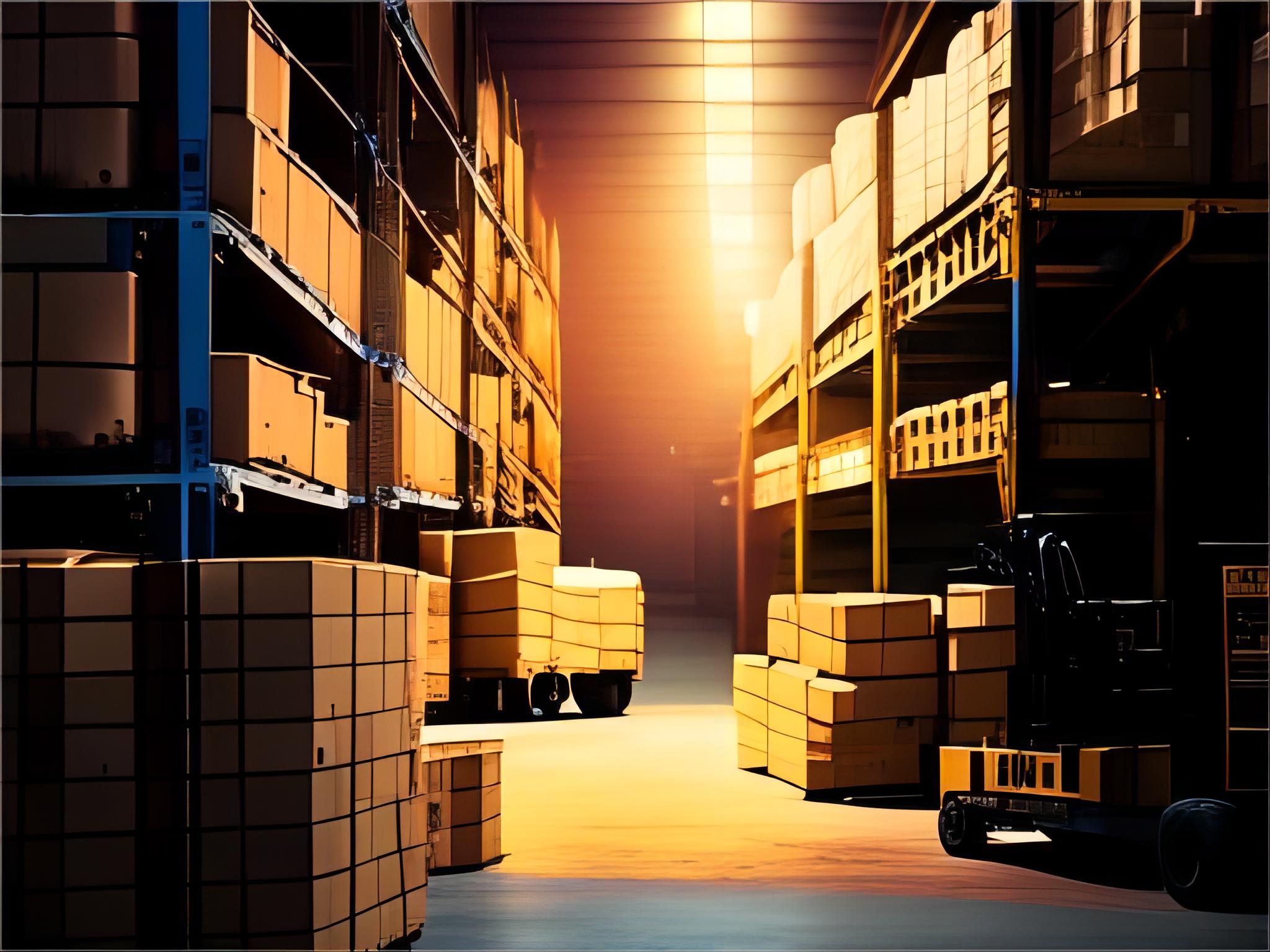
China Logistics Partner Factory Pickup: 2026 Strategic Guide
Finding a reliable china logistics partner factory pickup service is essential for any business importing goods from the manufacturing hubs of Asia. This critical first mile determines the overall efficiency of your supply chain and impacts your final landed costs significantly. By partnering with China Freight Service, you ensure that your cargo is handled professionally from the moment it leaves the production line. In 2026, the complexity of global trade requires a sophisticated approach to inland transportation and export preparation. This guide provides comprehensive insights into optimizing your factory collections and streamlining your international shipping operations.

What is a China Logistics Partner Factory Pickup?
A china logistics partner factory pickup involves a freight forwarder or logistics provider collecting goods directly from the supplier’s warehouse. Consequently, this service bridges the gap between manufacturing completion and the start of international transit. Most importers utilize this service to manage the complexities of local trucking and export documentation in China. Furthermore, it allows for greater control over the timing and handling of the cargo before it reaches the port of loading.
Choosing this method ensures that your logistics provider takes responsibility for the goods at the earliest possible stage. Therefore, you can minimize the risk of damage or delays that often occur when suppliers handle the inland transport themselves. In addition, professional pickup services include verifying the cargo count and checking the condition of the packaging. Meanwhile, your logistics partner coordinates with the factory to ensure all export licenses are ready for customs clearance.
The Value of Expert Factory Collections in 2026
Reliable china logistics partner factory pickup services have become more important as global supply chains face evolving challenges. Specifically, the 2026 market demands higher visibility and faster turnaround times for international shipments. By using a local expert, you gain access to a network of domestic carriers that understand the regional infrastructure. Moreover, these partners can navigate local regulations and road restrictions that might otherwise cause significant delays.
Efficiency in the first mile directly translates to lower overall shipping costs and predictable delivery schedules. For instance, a logistics partner can consolidate multiple factory pickups into a single container to save on ocean freight. Similarly, they can provide real-time tracking updates from the moment the truck leaves the factory gate. Indeed, this level of transparency is vital for maintaining inventory levels and meeting customer expectations in a competitive market.
How the Factory Pickup Process Works for Importers
The process begins with a detailed coordination between your logistics provider and the Chinese manufacturer. Initially, the forwarder confirms the cargo ready date and ensures that the volume and weight match the booking details. Subsequently, they arrange for a suitable vehicle, such as a container truck or a smaller van for LCL shipments, to arrive at the factory. This coordination is essential for avoiding detention charges and ensuring a smooth door to door transition.
Upon arrival at the factory, the driver inspects the goods and supervises the loading process to prevent transit damage. Afterward, the truck transports the cargo to a local warehouse for consolidation or directly to the container terminal. Meanwhile, the logistics partner prepares the necessary export filings and customs declarations. Consequently, this integrated approach reduces the administrative burden on the importer and ensures compliance with Chinese export laws.

Comparing Shipping Methods for Your Pickup Strategy
Selecting the right transport mode is a critical decision that follows the initial factory pickup. For example, high-value or time-sensitive electronics often require air freight to meet tight market deadlines. On the other hand, bulkier items like furniture or machinery are typically better suited for sea freight due to the lower cost per unit. Each method offers a different balance of speed, cost, and reliability that must be evaluated based on your specific needs.
Rail freight has also emerged as a viable middle ground for shipments destined for Europe or Central Asia. However, for island nations like Australia, sea and air remain the only feasible options for international transit. Therefore, understanding the trade-offs of each method is essential for optimizing your 2026 logistics budget. Review the table below to compare the primary shipping methods available after your factory pickup.
| Method | Cost Level | Transit Time | Best For |
|---|---|---|---|
| Air Freight | High | 3-7 Days | Urgent, High-value |
| Sea Freight | Low | 20-45 Days | Bulk, Large Volume |
| Rail Freight | Medium | 15-22 Days | Mid-size, Europe |
| Express | Premium | 2-5 Days | Samples, Small Pkgs |
How Does Factory Pickup Compare to Other Shipping Options?
Understanding the difference between factory pickup and other Incoterms is vital for managing your logistics costs. For instance, under EXW (Ex Works) terms, the buyer is responsible for the china logistics partner factory pickup and all subsequent steps. Conversely, under FOB (Free on Board) terms, the supplier handles the transport to the port and the initial customs clearance. While FOB might seem simpler, managing the pickup yourself often provides better control over the total shipping price.
Alternative strategies include using a third-party consolidation warehouse if you are buying from multiple suppliers in different cities. Instead of shipping several small LCL lots, you can have a logistics partner collect all goods and load them into a single FCL container. This hybrid approach significantly reduces port fees and simplifies the customs process at the destination. Additionally, it allows for a more consistent delivery schedule across your entire product line.
| Shipping Method | Cost Range | Transit Time | Limitations |
|---|---|---|---|
| FCL (Full Container) | $1,500 – $6,000 | 14 – 40 Days | Requires high volume |
| LCL (Shared) | $50 – $150/CBM | 20 – 45 Days | Risk of congestion |
| Air Freight | $4.50 – $9.00/kg | 3 – 7 Days | Weight restrictions |
| Sea-Air Hybrid | $2.50 – $5.00/kg | 12 – 18 Days | Limited routes |
Which Option Should You Choose? Decision Framework
Determining the best logistics path requires a clear assessment of your business priorities and cargo characteristics. If your primary goal is budget optimization, sea freight remains the most economical choice for shipments over 15 CBM. However, if you are launching a new product and need it in stock immediately, air freight is the only option that guarantees speed. Furthermore, consider the nature of your goods; fragile items may benefit from the reduced handling of a direct FCL shipment.
Volume thresholds often dictate when it is time to switch from LCL to FCL shipping. Generally, once your shipment exceeds 13-15 CBM, booking a 20GP container becomes more cost-effective than paying per cubic meter. Moreover, for high-frequency small shipments, utilizing an Amazon FBA specialized service can streamline the labeling and palletization process. Always consult with your logistics partner to run a cost-benefit analysis before finalizing your shipping plan.
Key Documentation for Smooth Factory Collections
Successful china logistics partner factory pickup relies heavily on accurate and timely documentation. Essential papers include the Commercial Invoice, Packing List, and the Bill of Lading, which serve as the contract of carriage. Furthermore, specific products may require certificates of origin or quality inspection reports to pass through Chinese customs. Without these documents, your cargo could face lengthy delays and expensive storage fees at the port of export.
Engaging a professional customs brokerage service ensures that all paperwork meets the latest 2026 regulatory standards. These experts can identify potential issues before the truck even arrives at the factory for pickup. Additionally, they can advise on duty rates and HS code classifications to ensure you are not overpaying on import taxes. Proper documentation is the foundation of a reliable and compliant international supply chain.
| Document Name | Purpose | Required By | Typical Source |
|---|---|---|---|
| Commercial Invoice | Valuation of goods | Customs | Supplier |
| Packing List | Physical verification | Carrier/Customs | Supplier |
| Bill of Lading | Title to goods | Carrier | Freight Forwarder |
| CO (Cert. of Origin) | Duty preferential | Customs | Chamber of Commerce |
Case Study 1: Electronics from Shenzhen to Los Angeles
Case Study 01: High-Volume Electronics Pickup. Route: Shenzhen, China to Los Angeles, USA. Cargo: Consumer electronics, 68 CBM, 12,500 kg. Container: 1 x 40HQ. Shipping Details: Carrier: Major trans-Pacific carrier. Port of Loading: Yantian (Shenzhen). Port of Discharge: Los Angeles. Route Type: Direct.
Cost Breakdown: Ocean Freight: $3,200. Origin Charges: $450. Destination Charges: $650. Customs and Duties: $1,200. Total Landed Cost: $5,500. Timeline: Booking to Loading: 3 days. Sea Transit: 15 days. Customs Clearance: 2 days. Total Door-to-Door: 22 days. Key Insight: Utilizing a local pickup partner in Shenzhen allowed for rapid container positioning during a peak season surge in early 2026.
Case Study 2: Machinery Parts from Ningbo to Hamburg
Case Study 02: Industrial Components. Route: Ningbo, China to Hamburg, Germany. Cargo: Precision machinery parts, 8 CBM, 2,400 kg. Container: LCL. Shipping Details: Carrier: European line specialist. Port of Loading: Ningbo. Port of Discharge: Hamburg. Route Type: Direct via Suez Canal.
Cost Breakdown: Ocean Freight: $960. Origin Charges: $280. Destination Charges: $420. Customs and Duties: $850. Total Landed Cost: $2,510. Timeline: Booking to Loading: 4 days. Sea Transit: 32 days. Customs Clearance: 3 days. Total Door-to-Door: 42 days. Key Insight: Consolidating the pickup from a remote factory outside Ningbo saved the client 15 percent compared to the supplier’s quoted delivery price. Note: Freight rates are subject to change based on fuel costs, carrier capacity, and seasonal demand. Contact us for a current quote tailored to your specific shipment.
Summary of Factory Pickup Excellence
In conclusion, a china logistics partner factory pickup is more than just a trucking service; it is a strategic component of global trade. By managing the first mile effectively, importers can reduce costs, improve transparency, and ensure the safety of their goods. Whether you are shipping via sea, air, or rail, having a dedicated partner in China provides the local expertise needed to navigate a complex market. As we move through 2026, the ability to coordinate seamless factory collections will remain a competitive advantage for successful international businesses.
Ready to streamline your logistics?
Streamline your 2026 supply chain with a professional china logistics partner factory pickup today. Our team provides end-to-end support to ensure your cargo moves efficiently from the factory floor to its final destination. Contact us now to receive a customized freight quote and experience the benefits of expert logistics management. Send Inquiry
Request Quote