


China Golden Week Shipping to Vietnam: A Strategic 2026 Logistics Guide
Managing China Golden Week shipping to Vietnam requires precise coordination to avoid the inevitable pre-holiday capacity crunch and subsequent port congestion. As factory output across China slows during this early October peak, shippers often face unpredictable equipment shortages and soaring spot rates that can derail your supply chain rhythm. Working alongside a scoped specialist like China Freight Service turns these fragmented, volatile market conditions into auditable, actionable booking decisions. This 2026 handbook outlines the practical checkpoints and landed-cost variables necessary to ensure your cargo moves through this corridor with minimal disruption.
Key Takeaways
Golden Week typically triggers a 10-14 day production lull, requiring cargo to be ready at least 2 weeks in advance.
A standard 40HQ container provides approximately 68-76 CBM of capacity; aim for 65-70 CBM to ensure efficient loading.
Air freight chargeable weight is calculated as the higher of actual weight or volumetric weight (L×W×H cm / 6000).
Pre-booking space 21 days before the holiday start date significantly reduces the risk of shipment rolling.
What Should Buyers Know First About China Golden Week to Vietnam?
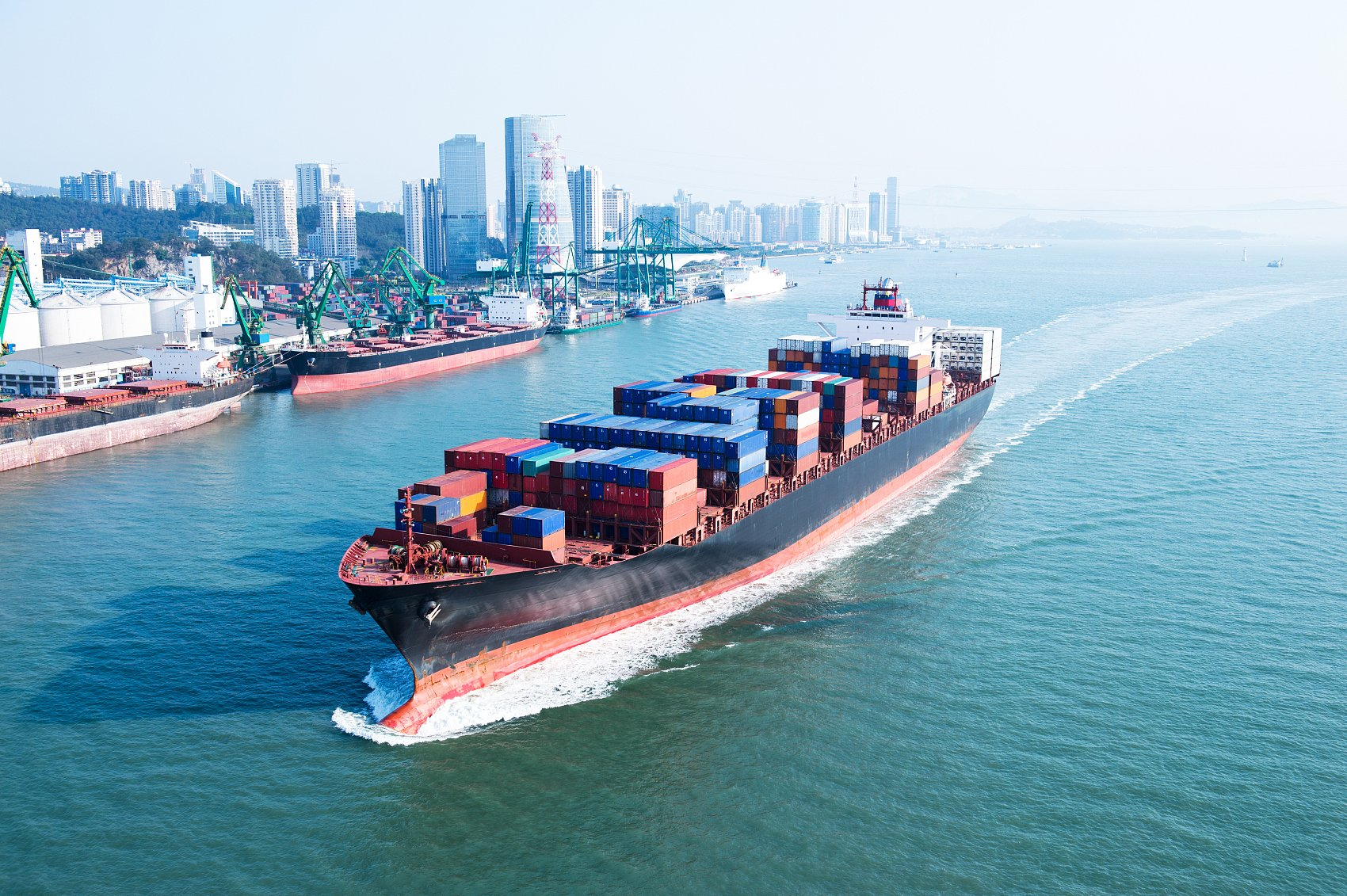
China Golden Week represents a critical inflection point in the annual logistics calendar, marked by a nationwide shutdown of manufacturing and administrative operations in China. For businesses engaged in China Golden Week shipping to Vietnam, the primary risk involves a massive surge in export volume immediately preceding the holiday as factories attempt to clear backlogs. This rush creates a bottleneck that often leaves unprepared shippers struggling to secure available container space or air cargo slots, leading to extended dwell times at Shenzhen/Ningbo.
The operational reality is that carrier capacity is significantly tightened during the week leading up to the holiday, as lines consolidate sailings and airlines reduce flight frequencies. Failure to account for the closure of customs offices, trucking services, and warehouse staff in China means that even if cargo is produced, it may sit idle for days. Understanding that the entire supply chain ecosystem—from local drayage to international ocean carriers—operates on a skeleton crew is essential for maintaining your planned delivery windows to Vietnam.
To mitigate these risks, buyers must shift their cargo-ready dates to at least two weeks before the official holiday start. By securing space early and coordinating with your sea freight forwarder, you can effectively bypass the peak-season surcharges that frequently accompany this period. Developing a contingency plan that includes alternative routing or accelerated transport modes is a standard practice for firms that cannot afford the high costs of supply chain inactivity during this intense seasonal window.
Field note: Ensure all bookings are confirmed with a carrier booking reference before the final production run.
Common mistake: Waiting until the week of the holiday to secure space; this nearly guarantees a shipment roll.
Risk alert: Carrier capacity is strictly limited; once allocations are filled, spot rates often double.
How Do Routing and Gateway Choices Affect This Lane?
The selection of gateways for shipments moving from China to Vietnam is dictated by your specific origin province and the final destination in Vietnam. Most ocean freight utilizes major coastal hubs like Shanghai, Ningbo, or Shenzhen, which connect directly to Vietnamese ports such as Haiphong or Ho Chi Minh City. Choosing the right gateway depends heavily on the proximity of your supplier to the port, as inland transport costs can quickly negate any savings gained from an ocean freight rate advantage.
For air freight, the choice often shifts to hubs like Guangzhou or Hong Kong, which offer more frequent direct connections to Hanoi or Ho Chi Minh City. During the Golden Week period, major hubs often experience congestion at the terminal gates, leading to significant drayage delays. Routing your cargo through secondary ports or airports may offer a more reliable path, provided you account for the additional transit time and the complexity of managing multiple logistics handoffs across the border.
Effective routing requires a balance between transit speed and total landed cost. If your cargo is destined for Northern Vietnam, utilizing rail or road cross-border services from Southern China can often prove faster and more reliable than ocean shipping during peak congestion. By working with a professional partner to evaluate gateway performance and historical dwell times, you can optimize your routing strategy to ensure that cargo avoids the most significant bottlenecks during the holiday week.
| Equipment Type | Internal Volume (CBM) | Max Payload (kg / lbs) | Optimal Commodity Fit |
|---|---|---|---|
| 20ft Standard (20GP) | 28–30 CBM (26 usable) | 21,800 kg / 48,000 lbs | Dense, heavy cargo (machinery, auto parts, metals) |
| 40ft Standard (40GP) | 58–60 CBM (54 usable) | 26,500 kg / 58,400 lbs | General packaged cargo, standard palletized loads |
| 40ft High Cube (40HQ) | 68–76 CBM (68 usable) | 26,500 kg / 58,400 lbs | Bulky, lightweight goods (furniture, textiles, electronics) |
| 45ft High Cube (45HQ) | 85–86 CBM (78 usable) | 27,500 kg / 60,600 lbs | High-volume consumer retail distribution |
Field note: Direct ocean services to Haiphong are often faster than transshipment via Singapore or Hong Kong.
Common mistake: Assuming all China-Vietnam routes have the same transit times regardless of the specific port-to-port pairing.
Risk alert: Port congestion at major Chinese gateways can extend pre-carriage times by over 72 hours.
How to Choose the Right Mode Mix for Vietnam?
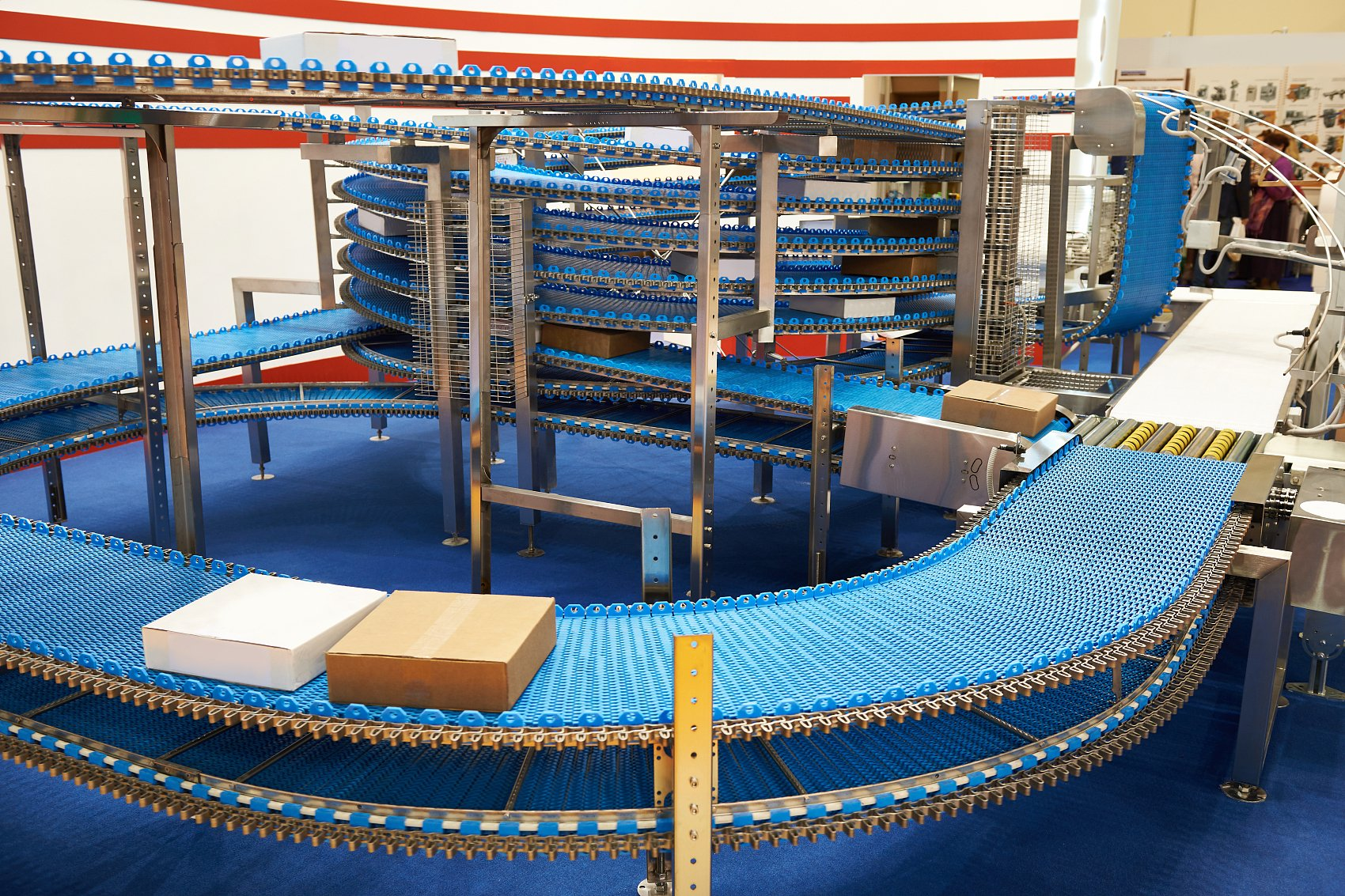
Selecting the optimal mode mix for your supply chain involves a rigorous assessment of volume, urgency, and commodity value. For high-volume commodities, ocean freight remains the most cost-effective choice, though it requires the longest lead time and the most significant buffer for the Golden Week rush. LCL (Less-than-Container Load) is a viable option for smaller shipments, but it carries the inherent risk of consolidation delays if your cargo is not delivered to the warehouse well before the holiday cut-offs.
Air freight is the preferred mode for high-value or time-sensitive goods that must reach the Vietnamese market regardless of the holiday impact. While the cost is substantially higher, the transit time is drastically reduced, often allowing for door-to-door delivery within 3 to 5 business days. For companies with a mix of product types, a split-mode strategy—where urgent components are shipped via air and core inventory via ocean—can help maintain production continuity without breaking your overall logistics budget.
To make an informed decision, you should compare the total cost of each mode against your required delivery window. Our warehouse services can assist in consolidating multiple smaller shipments into a single FCL (Full Container Load) to maximize space efficiency and reduce per-unit costs. Regardless of the mode, the critical factor is locking in your allocation early; once space is secured, you can focus on the granular details of compliance and documentation to ensure a seamless transit.
Field note: Always request a quote that includes all local origin and destination accessorials.
Common mistake: Ignoring the volumetric weight impact on air freight, which can lead to unexpected billing surprises.
Risk alert: LCL shipments are highly vulnerable to warehouse consolidation delays during the holiday week.
What Transit Timeline Should You Expect?
In a typical operational environment, transit times from major Chinese hubs to Vietnam reflect the efficiency of the chosen mode, but these figures are significantly extended during China Golden Week. Ocean transit is generally predictable, but the pre-holiday period introduces a high probability of port skipping or vessel delays as carriers scramble to manage space. You should anticipate an additional 5 to 7 days of buffer time on top of the standard transit schedule to account for potential terminal congestion and customs backlogs.
Air freight transit times are generally more resilient to the holiday rush, though airport ground handling can still experience delays due to labor shortages. A standard air transit might look like 3 to 5 days, but during the week of the holiday, this can easily push to 7 or 8 days if your cargo is not prioritized. Understanding the specific cut-off times for each carrier is vital, as missing a single flight can result in a significant wait until the next available slot after the holiday concludes.
To manage expectations, always build a realistic timeline that accounts for the “worst-case” scenario. This means working backward from your required delivery date in Vietnam, adding buffer for production, origin transport, customs clearance, and potential terminal dwell. By maintaining transparent communication with your logistics provider, you can receive real-time updates and adjust your strategy if a specific leg of the journey begins to deviate from the planned schedule.
| Route/Gateway | Method | Typical Days | Risk Notes |
|---|---|---|---|
| Shanghai-Haiphong | Ocean | 7-9 Days | Terminal dwell high |
| Shenzhen-HCMC | Ocean | 5-7 Days | Vessel space tight |
| Guangzhou-Hanoi | Air | 3-5 Days | Ground handling risk |
| Shenzhen-Road | Truck | 4-6 Days | Border crossing delay |
Field note: Ocean transits are port-to-port; add 3-5 days for door-to-door delivery.
Common mistake: Using off-peak transit averages to plan for peak-season arrival dates.
Risk alert: Unforeseen terminal congestion can result in cargo being rolled to the next available sailing.
How Are Landed Costs Typically Built?
Building an accurate landed cost for your China-to-Vietnam shipment requires a comprehensive understanding of every fee component in the supply chain. This starts with the base freight rate—whether ocean or air—but quickly expands to include origin charges like terminal handling, documentation fees, and inland trucking. In the context of China Golden Week, you must also account for peak-season surcharges that carriers and forwarders apply to cover the increased costs of operations and the scarcity of available space.
Destination charges in Vietnam, including port fees, customs clearance, and final-mile delivery, are often overlooked by novice importers. It is crucial to verify whether your Incoterms—such as FOB, EXW, or DDP—clearly define who is responsible for these costs. A common error is assuming that the freight forwarder’s quote includes all destination duties and taxes, which are distinct from logistics fees and are typically paid directly to the Vietnamese customs authorities upon entry.
To ensure your landed cost remains predictable, request an itemized proposal that clearly breaks down all charges by origin, transit, and destination. Using a professional logistics partner ensures that you are not hit with unexpected accessorials like demurrage or detention fees, which can accumulate rapidly if your cargo is not cleared or picked up promptly upon arrival. Always confirm the currency and validity period of your quote, as market fluctuations during the holiday period can cause rates to shift on a daily basis.
Field note: Ensure your quote includes a breakdown of both origin and destination charges.
Common mistake: Neglecting to factor in destination storage fees that occur if customs clearance is delayed.
Risk alert: Hidden fees in the ‘all-in’ rate often lead to significant budget overruns.
Which Documents and Compliance Checks Apply?
Compliance is the bedrock of international trade, and the China-to-Vietnam corridor is no exception. At a minimum, every shipment requires a commercial invoice, a packing list, and the relevant transport document—a Bill of Lading for ocean or an Air Waybill for air. These documents must accurately reflect the cargo’s value, weight, and description to avoid scrutiny from customs authorities in both China and Vietnam. Any discrepancies can lead to immediate shipment holds, administrative fines, and significant delays.
Beyond the basic documents, specific commodities may require additional certifications, such as certificates of origin, quality inspection reports, or specialized licenses for regulated goods. For shipments moving under trade agreements, ensuring the correct paperwork is in place is vital to potentially qualify for preferential duty rates. During the Golden Week holiday, customs offices will have reduced staffing, making it even more important to ensure your documentation is flawless and submitted well before the cargo arrives at the border.
We recommend a double-check process where all shipping documents are reviewed by a specialist before the cargo is even loaded. This proactive step identifies potential issues—such as missing HS codes or incorrect consignee details—before they become operational hurdles. By standardizing your documentation workflow, you minimize the risk of human error and ensure that your shipment moves through customs with the efficiency required to meet your business timelines in Vietnam.
| Document / Filing | Submission Window | Responsible Party | Clearance Impact |
|---|---|---|---|
| Customs Import Declaration | Prior to cargo discharge | Licensed Broker / Consignee | Terminal demurrage |
| Commercial Invoice & Packing List | Before vessel departure | Shipper / Exporter | Documentation hold |
| Master / House Bill of Lading | Post-departure confirmation | Freight Forwarder | Release freeze |
| Certificate of Origin (if req) | Prior to import duty assessment | Chamber of Commerce | Loss of tariff relief |
Field note: Always verify HS codes with your Vietnamese importer to ensure accurate duty calculations.
Common mistake: Submitting incomplete invoices that lack full product descriptions or origin details.
Risk alert: Customs clearance delays during the holiday period can result in high daily storage charges.
How Do Peak Seasons Affect Capacity and Pricing?
Peak season dynamics in the China-Vietnam corridor are heavily influenced by the interplay between manufacturing capacity and shipping demand. As China Golden Week approaches, the pressure on factories to finish production creates an artificial surge in volume that the logistics infrastructure struggles to accommodate. This leads to a classic supply-demand imbalance where carriers, facing limited vessel or flight space, naturally increase their rates, and shippers find themselves competing for the last available slots on high-demand routes.
Pricing is not the only casualty during this period; capacity reliability is equally affected. Carriers may prioritize larger volume shippers, leaving smaller businesses to deal with rolling shipments, where cargo is bumped from one vessel to the next. This lack of reliability makes it incredibly difficult to manage inventory levels, forcing many companies to carry higher safety stocks or incur the costs of expedited shipping to compensate for the delayed arrival of their primary inventory.
To navigate these pressures, focus on building strong relationships with your carriers and forwarders, which can provide a measure of insulation against the worst of the peak-season volatility. By providing accurate forecasts and committing to volume early, you demonstrate reliability that makes you a preferred customer for your logistics partners. Remember that while pricing is important, the ability to secure space and maintain the integrity of your delivery schedule is the true value of a well-managed logistics strategy during Golden Week.
Field note: Spot rates can rise by 30-50% during the two weeks preceding Golden Week.
Common mistake: Failing to account for the secondary peak that often follows the holiday as factories resume production.
Risk alert: The risk of cargo being ‘rolled’ is highest during this period; always maintain a backup shipping plan.
What Is the Step-by-Step Process from Quote to Delivery?
The process of managing a successful shipment begins long before the cargo is ready for pickup. It starts with a detailed inquiry process where you define your shipment profile—including cargo-ready date, dimensions, weight, and commodity type—to receive a scoped, itemized proposal. Once the quote is accepted, the next step is the formal booking, which locks in your space with the carrier and establishes the critical cut-off dates for documentation and cargo delivery to the port or warehouse.
After the booking is confirmed, the operational focus shifts to the physical movement of the cargo. This includes coordinating the pickup from your supplier’s facility, ensuring the cargo is properly packed and labeled, and managing the export customs clearance process in China. Once the cargo clears export, it is loaded onto the mainhaul vessel or aircraft, and you will receive regular milestone updates that allow you to track its progress toward the Vietnamese Singapore/Port Klang in real time.
The final phase of the process involves destination clearance and the last-mile delivery to your warehouse or distribution center. This requires coordination with your local customs broker in Vietnam to ensure that all duties are paid and any necessary inspections are completed promptly. By following this structured approach, you turn the complex, multi-stage process of international shipping into a repeatable, managed workflow that gives you full visibility and control over your goods from origin to destination.
Field note: Automated tracking tools are essential for maintaining visibility throughout the multi-modal journey.
Common mistake: Assuming that a ‘booking confirmation’ is the same as ‘space guarantee’ without confirming carrier equipment availability.
Risk alert: Failure to meet the export cut-off time will almost certainly lead to a delay of at least one week.
Decision Framework
By volume: Capture CBM/kg first; under ~2 CBM often fits express/air, mid volumes need LCL/FCL comparison, and oversized lots require dedicated equipment quotes.
By speed: Urgent windows under ~7 days favor air/express; standard replenishment can use ocean or multimodal once cargo-ready timing is locked.
By cargo profile: Flag DG, temperature-control, or oversized handling before award—these change both documentation and carrier acceptance paths.
Real-World Corridor Case Studies
An importer moved mixed cartons on a scoped international lane. The forwarder aligned commercial invoice, packing list, and the destination national import declaration before mainhaul departure.
A distributor routed equipment components with early broker coordination so destination release and final-mile delivery stayed inside free-time windows.
Execution Checklist for China Golden Week to Vietnam
Lock the operational sequence for China Golden Week to Vietnam: profile the cargo, choose the mode, clear compliance, then award space. By focusing on early booking and transparent communication, you can successfully navigate the logistical challenges of this seasonal peak and ensure that your inventory reaches the Vietnamese market on time.
Write fee exclusions and cut-off commitments into the award so post-arrival surprises stay off China Golden Week to Vietnam. Always maintain a flexible mindset, as the ability to adapt to changing carrier conditions is the hallmark of a resilient supply chain strategy.
Process and Checkpoints
Shipment Profile Capture
Confirm cargo-ready date, CBM/weight, commodity, HS code, and Incoterms.
Mode & Service Scope Selection
Compare air / LCL / FCL (or specialty) against transit and landed-cost targets.
Documentation & Compliance Gate
Align commercial invoice, packing list, and any specialty filings before booking.
Space Booking & Cut-off Lock
Reserve carrier/co-loader space and confirm export cut-off windows in writing.
Mainhaul & Milestone Tracking
Monitor departure, arrival, and exception alerts against the awarded transit plan.
Destination Release & Delivery
Clear destination formalities and complete final-mile delivery to the agreed door.
Confirm the right route for your shipment
Ready for a scoped proposal on China Golden Week to Vietnam? Share your origin/destination, cargo-ready date, CBM/weight, commodity, and Incoterms to get started.
Request a route reviewFrequently Asked Questions
Which shipping marks must match the house Bill of Lading for LCL cargo?
Carton and pallet marks must match the house B/L description exactly to avoid relabel fees.
Which export documentation must align before US AES or origin customs release?
Commercial invoice, packing list, HS codes, and Incoterms should match the physical load before AES filing and port gate-in.
How can multi-supplier shippers prevent CFS dead-space penalties during consolidation?
Declare stackability, use ISPM-15 pallets, and share carton dimensions early so CFS can plan density.
When should buyers switch from CFS LCL to a dedicated FCL buy-out?
Around 15 CBM and above, an FCL buy-out often beats shared CFS unit costs—especially with non-stackable freight.
How does the 1:167 volumetric ratio affect LCL freight invoices?
Carriers bill the greater of actual weight or volumetric weight using about 167 kg per CBM. Light cartons often pay on volume.
Where does the forwarder take custody of multi-supplier cargo at origin?
Custody usually transfers at CFS receiving after piece count and mark checks.
Rates and surcharges fluctuate; request an itemized quote.
Informational only; not binding legal/tax/customs advice.
Benchmarks reflect standard 2026 practice for this corridor.