


Amazon FBA Shipping China Mexico: The Ultimate 2025 Guide
Expanding your e-commerce business into the North American market requires a robust strategy for amazon fba shipping china mexico. As Mexico continues to experience a surge in digital retail, sellers must navigate complex logistics to maintain a competitive edge. This guide provides actionable insights into managing your supply chain effectively while minimizing overhead expenses. By understanding the nuances of international transport, you can ensure your products reach the fulfillment centers promptly and safely.
Why Choose Amazon FBA Shipping China Mexico for Your Business?
Mexico represents one of the fastest-growing e-commerce sectors in Latin America. Consequently, many global sellers are shifting their focus toward this vibrant market to capitalize on increasing consumer demand. By utilizing a professional Amazon FBA service, you can outsource storage, packaging, and shipping to experts. This allows you to focus on marketing and product development while Amazon handles the final-mile delivery.
Moreover, the proximity of Mexico to other North American markets offers unique strategic advantages. Indeed, establishing a presence here can serve as a gateway for broader regional expansion. However, you must first master the logistics of moving goods from Chinese manufacturing hubs to Mexican warehouses. Therefore, choosing the right shipping method is the first critical step in your journey.
Additionally, Amazon Mexico has specific requirements for labeling and packaging that differ from other regions. Failure to comply with these standards can result in rejected shipments or additional fees. Furthermore, the Mexican tax system requires sellers to have specific registrations, such as an RFC number, to operate efficiently. Understanding these foundational elements will help you avoid common pitfalls and ensure a smooth transit process.
Air Freight vs. Sea Freight: Which is Best for Your FBA Business?
Selecting between different transport modes depends largely on your budget and inventory needs. Specifically, air freight offers the fastest transit times for urgent restocks or high-value items. While this method is more expensive, it significantly reduces the time your capital is tied up in transit. Most sellers use air transport when they need to react quickly to market trends or sudden spikes in demand.
On the other hand, sea freight remains the most cost-effective solution for large volumes of goods. If you are shipping heavy or bulky items, ocean transport provides the capacity you need at a fraction of the cost of air. Although it takes longer, careful planning allows you to maintain a steady flow of inventory without breaking your budget. Consequently, sea freight is the backbone of most successful long-term FBA operations.
Furthermore, you should consider hybrid solutions like sea-air combinations if you need a balance between speed and cost. These services often involve shipping goods by sea to a hub and then flying them to the final destination. This approach can save you up to 50 percent compared to pure air freight while being much faster than sea alone. In addition, always factor in the time required for port handling and trucking to the FBA warehouse.
| Feature | Air Freight | Sea Freight (LCL) | Sea Freight (FCL) |
|---|---|---|---|
| Transit Time | 5-8 Days | 35-45 Days | 25-35 Days |
| Cost Level | High | Low | Very Low |
| Best For | Small/Urgent | Medium Volume | Bulk/Large |
| Reliability | Very High | Moderate | High |
How Does Sea Freight Compare to Other Shipping Options?
When analyzing your logistics options, you must compare sea freight against alternatives like express courier and rail. While rail freight is a popular choice for China to Europe routes, it is not a viable option for China to Mexico. Therefore, your primary alternatives are ocean vessels or international express services. Express services are ideal for very small parcels under 100kg, but they become prohibitively expensive for larger shipments.
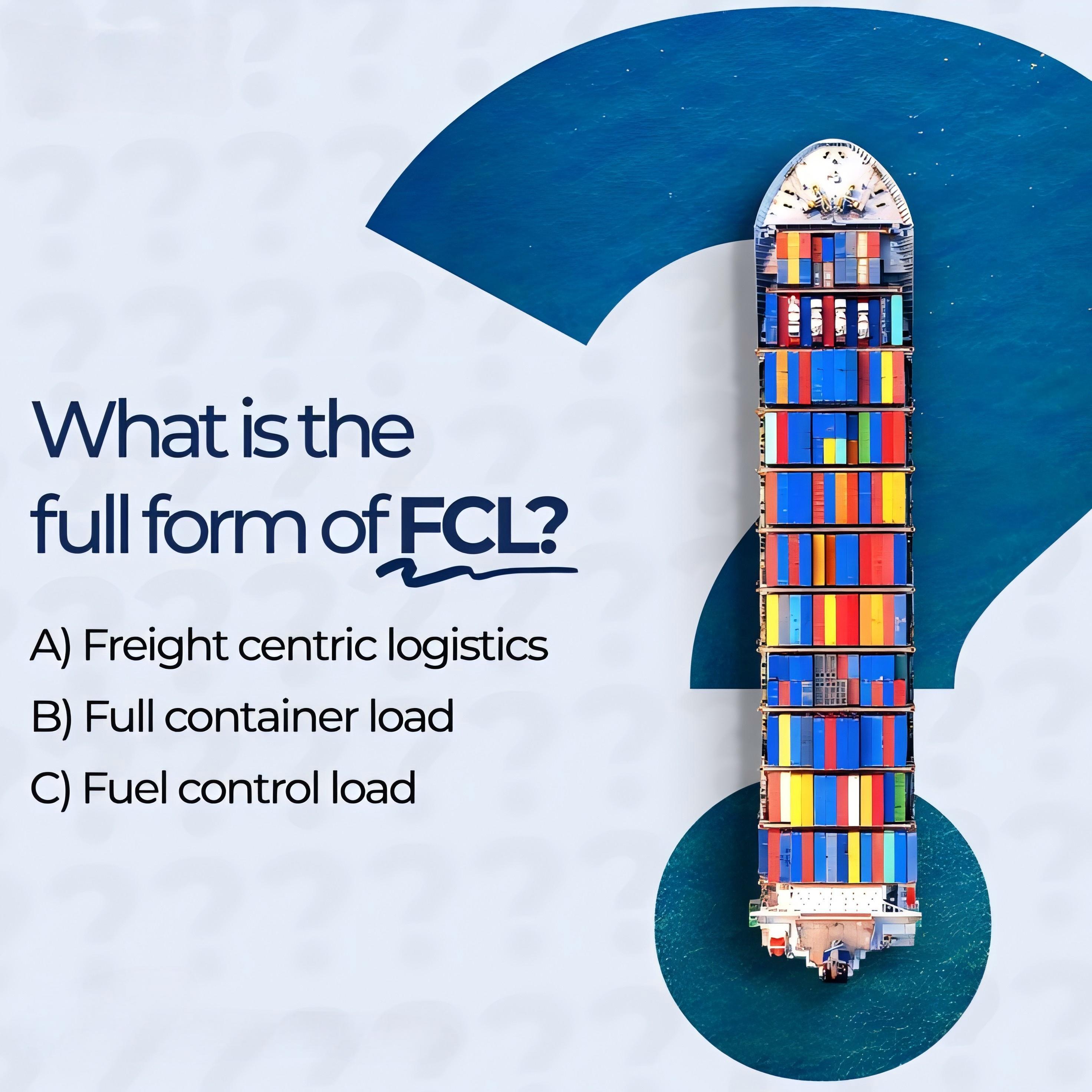
Moreover, sea freight offers two main categories: Full Container Load (FCL) and Less than Container Load (LCL). Specifically, FCL is best when you have enough cargo to fill a 20ft or 40ft container, offering better security and faster handling. Conversely, LCL allows you to share container space with other shippers, which is perfect for smaller batches. However, LCL shipments often face longer transit times due to the consolidation and deconsolidation processes at the ports.
Indeed, direct shipping routes from China to Mexican ports like Manzanillo or Lazaro Cardenas are generally faster than transshipment via the US. Many sellers mistakenly believe that shipping through the US is easier, but this often involves double customs clearance. Consequently, choosing a direct sea route typically saves both time and money. Always consult with your freight forwarder to determine the most efficient route based on current port congestion levels.
| Shipping Method | Cost Range | Transit Time | Limitations |
|---|---|---|---|
| Sea Freight | $2,500-$4,500 | 25-45 Days | Longer lead time |
| Air Freight | $6-$10 per kg | 5-10 Days | Weight limits |
| Express | $9-$14 per kg | 3-6 Days | Very expensive |
| Sea-Air | $4-$6 per kg | 15-20 Days | Complex booking |
Key Customs Regulations for Importing to Mexico
Navigating the legal landscape is perhaps the most challenging aspect of shipping to Mexico. Specifically, you must engage a professional customs brokerage to handle the complex documentation required by Mexican authorities. One of the most critical requirements is the RFC (Registro Federal de Contribuyentes), which is necessary for tax compliance. Without a valid RFC or a third-party importer of record, your goods may be seized or returned to China.
Furthermore, Mexico enforces strict NOM (Normas Oficiales Mexicanas) standards for various product categories, including electronics and textiles. These regulations ensure that products meet safety and quality benchmarks before they enter the domestic market. Consequently, you must verify that your products comply with these standards and possess the necessary certifications. In addition, accurate valuation of your goods is essential to avoid penalties and delays during the inspection process.
Moreover, the commercial invoice and packing list must be meticulous and written in Spanish or accompanied by a translation. Any discrepancies between the paperwork and the actual cargo can lead to significant fines. Therefore, working with an experienced logistics partner who understands the local requirements is invaluable. They can help you prepare the Pedimento, which is the official customs declaration document used in Mexico.
Which Option Should You Choose? A Decision Framework
Deciding on the best shipping method requires a clear understanding of your business priorities. If your primary goal is to minimize costs and you have high inventory volume, sea freight is the logical choice. However, if you are launching a new product and need to test the market quickly, air freight might be worth the investment. You should evaluate your profit margins to determine how much shipping cost your business model can absorb.
Specifically, consider the following criteria when making your choice. For shipments over 500kg, sea freight usually offers the best value. Meanwhile, for shipments between 100kg and 500kg, air freight provides a good balance of speed and manageable costs. If you are shipping samples or very small trial orders, express courier services are the most convenient option. In addition, always account for the seasonality of your products, as peak seasons can drastically change transit times.
Furthermore, our door to door service can simplify the entire process regardless of the transport mode. This service covers everything from the factory pickup in China to the final delivery at the Amazon warehouse in Mexico. Consequently, you can avoid the hassle of managing multiple vendors and disparate logistics legs. This integrated approach often leads to better communication and fewer errors in the supply chain.
Real Case Studies: Successful FBA Shipments
Case Study 1: Electronics from Shenzhen to Mexico City. Route: Shenzhen to Manzanillo. Cargo: Smart home devices, 6 CBM, 1500 kg. Container: LCL. Shipping Details: Major carrier via direct route. Cost Breakdown: Ocean Freight: $950, Origin Charges: $250, Destination Charges: $400, Customs: $550, Total Landed Cost: $2150. Timeline: Booking to Loading: 4 days, Sea Transit: 28 days, Customs Clearance: 4 days, Total Door-to-Door: 36 days. Key Insight: Accurate NOM certification prevented a potential 10-day delay in customs.
Case Study 2: Apparel from Ningbo to Monterrey. Route: Ningbo to Mexico City (Air). Cargo: Seasonal clothing, 250 kg. Method: Air Freight. Shipping Details: Direct air cargo service. Cost Breakdown: Air Freight: $1800, Documentation: $150, Destination Handling: $200, Customs: $300, Total Landed Cost: $2450. Timeline: Total Door-to-Door: 7 days. Key Insight: Using air freight allowed the seller to hit the peak holiday shopping window despite production delays.
Note: Freight rates are subject to change based on fuel costs, carrier capacity, and seasonal demand. Contact us for a current quote tailored to your specific shipment.
Cost-Saving Strategies for Amazon FBA Shipping China Mexico
Reducing your logistics expenses is essential for maintaining healthy profit margins. One effective strategy is to consolidate multiple small orders into a single larger shipment. By doing so, you can take advantage of better weight brackets in air freight or move from LCL to FCL in sea freight. Additionally, optimizing your product packaging to reduce volume can lead to significant savings over time.
Moreover, you should consider the timing of your shipments to avoid peak season surcharges. Typically, rates increase by 15-25 percent between August and October as sellers prepare for the year-end holidays. Therefore, shipping your inventory earlier in the year can help you secure lower rates and guaranteed space. Furthermore, negotiating long-term contracts with your freight forwarder can provide price stability in a volatile market.
Indeed, choosing the right port of entry in Mexico can also impact your total costs. While Manzanillo is the busiest port, it often suffers from congestion. In contrast, using ports like Lazaro Cardenas might offer faster throughput and lower local handling fees. Consequently, you should work with your logistics provider to analyze the total landed cost for different routing options. This holistic view ensures that you are not just choosing the cheapest freight, but the most efficient overall solution.
Final Thoughts on Amazon FBA Shipping China Mexico
Successfully managing amazon fba shipping china mexico requires a blend of strategic planning and local expertise. By choosing the right transport mode and ensuring customs compliance, you can build a resilient supply chain that supports your growth. Remember to stay informed about market trends and regulatory changes to avoid unexpected disruptions. With the right logistics partner, the Mexican market offers immense potential for your e-commerce brand.
In summary, focus on optimizing your documentation, choosing efficient routes, and balancing speed with cost. As the e-commerce landscape evolves, your ability to move goods efficiently from China to Mexico will be a primary driver of your success. Start planning your next shipment today to capitalize on the opportunities within the Mexican Amazon marketplace.

Ready to streamline your logistics?
Streamline your supply chain today with our expert logistics solutions. Whether you need rapid air transport or cost-effective ocean freight, we provide tailored strategies to ensure your products arrive at Amazon warehouses on time. Contact us now to receive a competitive quote for your amazon fba shipping china mexico and take your business to the next level. Send Inquiry
Request Quote