
Sea Freight China with Tracking: Reliable Shipping Guide 2025
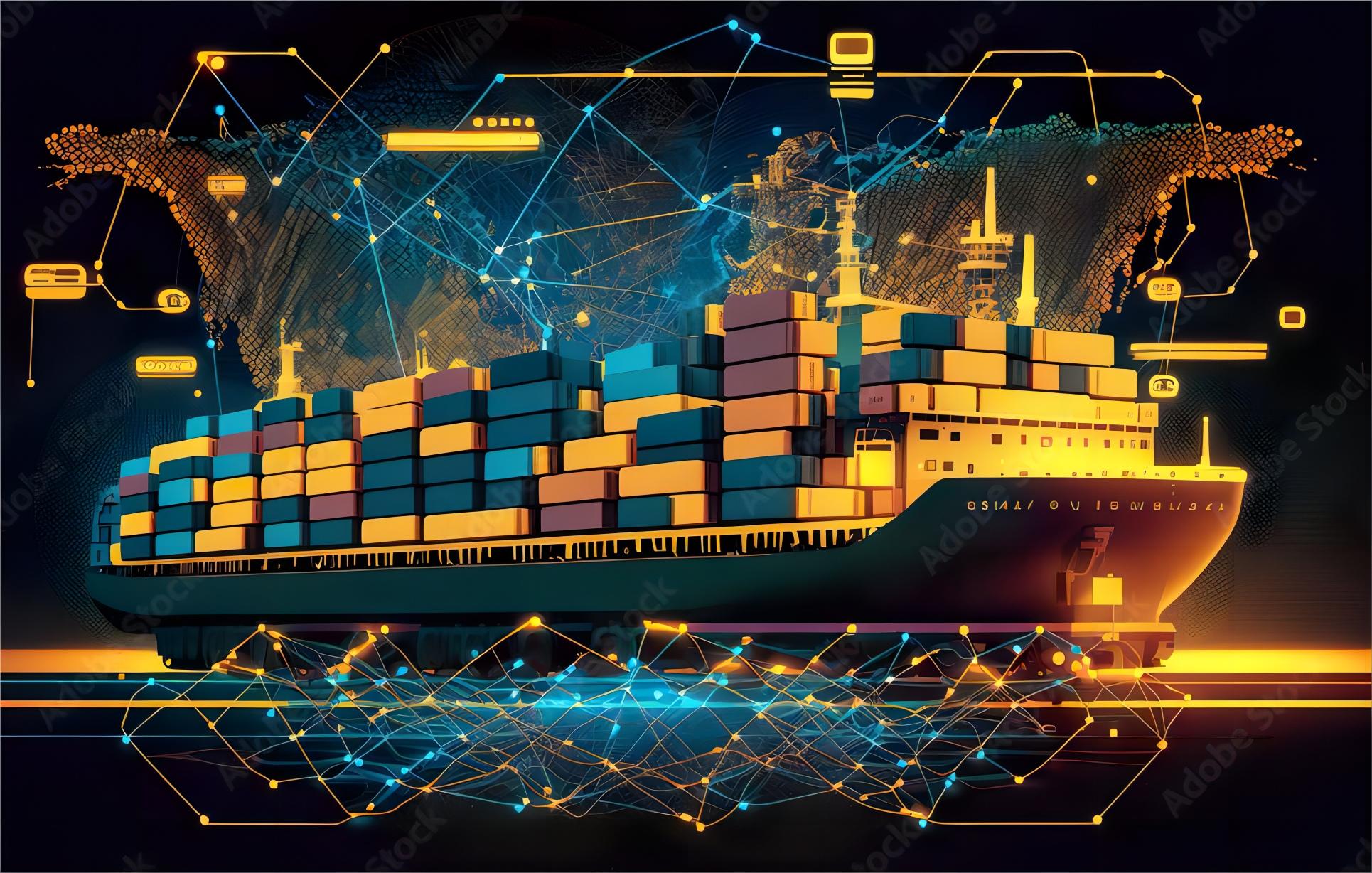
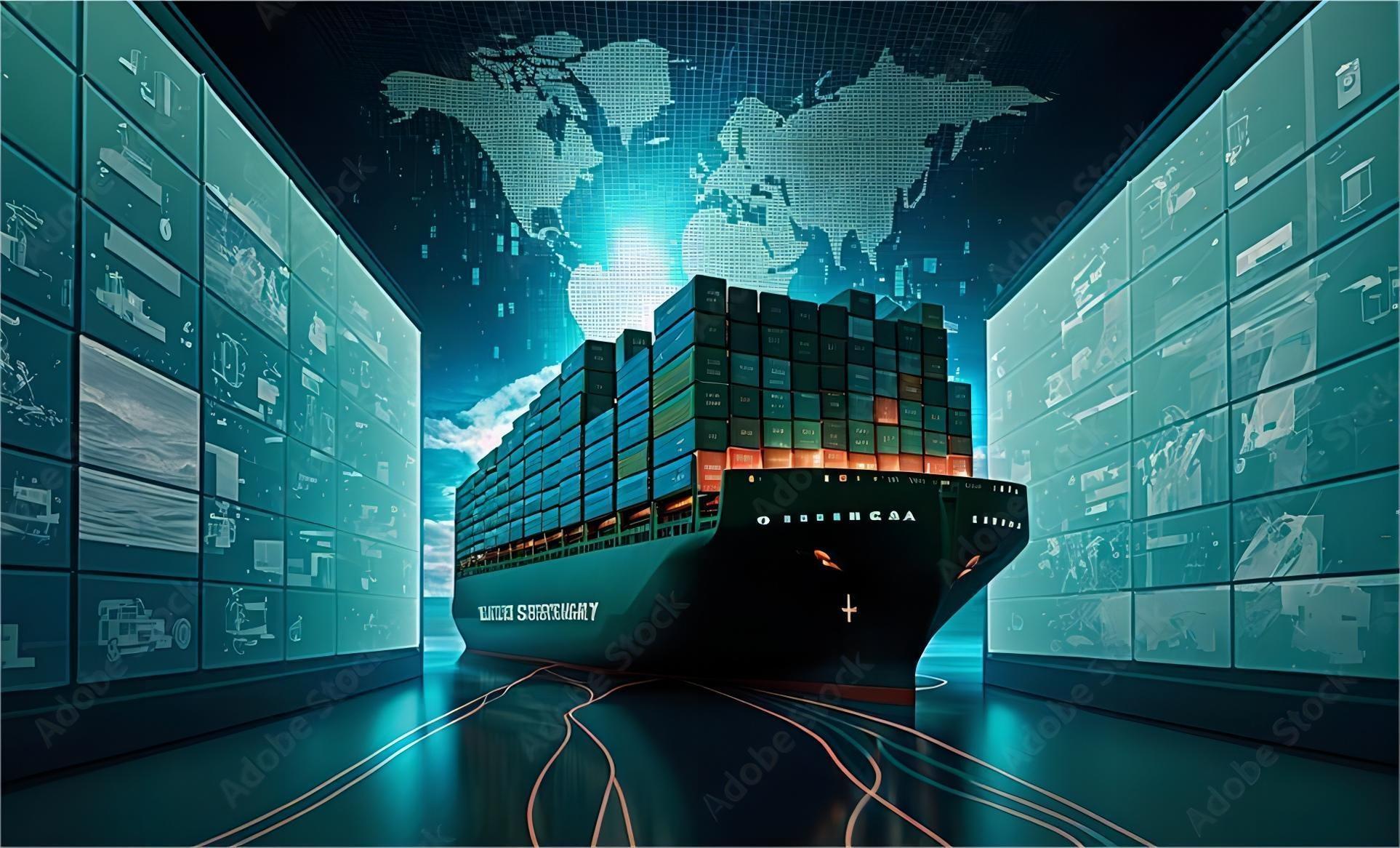
Navigating the complexities of international logistics requires a partner you can trust for transparency and speed. When you work with China Freight Service, you receive a comprehensive logistics solution tailored to your business needs. Utilizing sea freight China with tracking ensures that you always know the exact location of your goods during their journey across the ocean.
What is Sea Freight China with Tracking and Why Does It Matter?
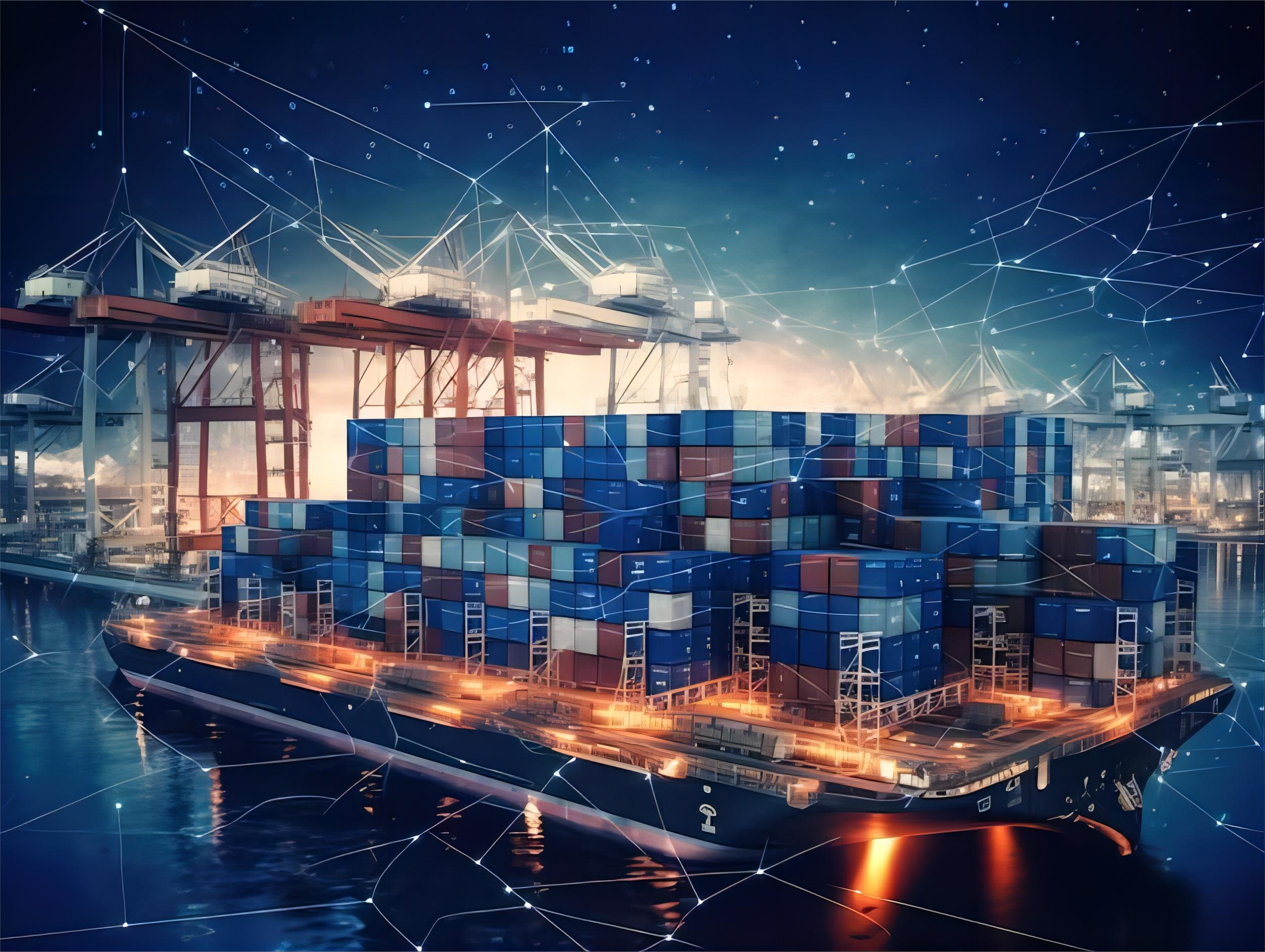
Modern global trade depends heavily on the ability to monitor cargo as it moves through various transit points. Indeed, sea freight remains the most cost-effective method for transporting large volumes of goods from Chinese manufacturing hubs. Consequently, integrating advanced tracking technology allows businesses to manage their inventory levels with much higher precision.
Moreover, real-time shipment visibility reduces the anxiety associated with long-distance maritime transport. Shippers can identify potential delays early and adjust their marketing or production schedules accordingly. Therefore, choosing a forwarder that provides detailed tracking data is no longer a luxury but a fundamental requirement for successful importing.
How Does Sea Freight Compare to Other Shipping Options?
Selecting the right transportation mode involves balancing speed, cost, and cargo volume requirements. While ocean freight offers the lowest price per unit, it typically involves the longest transit times compared to air or rail alternatives. Furthermore, the environmental impact of sea transport is significantly lower than air freight, making it a sustainable choice for many corporations.
However, businesses must consider the trade-offs when choosing between different logistics strategies. For example, urgent shipments may require the speed of express services despite the higher financial investment. In contrast, bulk commodities are almost always better suited for the high capacity of container ships.
| Shipping Method | Cost Range | Transit Time | Best For |
|---|---|---|---|
| Sea Freight | $1,500 – $6,000 | 14 – 40 Days | Bulk Goods |
| Air Freight | $5,000 – $25,000 | 3 – 7 Days | Urgent Items |
| Rail Freight | $2,500 – $8,000 | 15 – 22 Days | Mid-range |
Understanding FCL vs LCL Costs and Tracking
Businesses often choose between Full Container Load (FCL) and Less than Container Load (LCL) based on their total shipment volume. FCL provides a dedicated container for your goods, which often simplifies the tracking process as the entire unit moves together. Additionally, door to door services often utilize FCL to minimize handling risks.
On the other hand, LCL allows smaller businesses to share container space, which significantly lowers the FCL vs LCL costs for modest shipments. Nevertheless, LCL tracking can be slightly more complex because the goods must undergo consolidation and deconsolidation at various warehouses. Consequently, you should ensure your provider offers granular updates for each stage of the LCL journey.
Shipping Transit Times from China to Major Regions
Accurate shipping transit times from China depend heavily on the final destination port and the specific shipping line used. For instance, routes to the West Coast of North America are generally faster than those heading to the East Coast or Europe. Meanwhile, seasonal weather patterns and port congestion can influence the actual arrival dates.
Indeed, understanding these timelines helps businesses plan their product launches and stock replenishments more effectively. Most carriers provide estimated arrival dates, but real-time international cargo monitoring offers the most reliable data. As a result, savvy importers always verify the current port conditions before booking their shipments.
| Destination | 20GP Container | 40HQ Container | Transit Time |
|---|---|---|---|
| USA West Coast | $1,500 – $2,200 | $2,800 – $3,800 | 14-18 Days |
| USA East Coast | $2,500 – $3,500 | $4,500 – $6,000 | 30-35 Days |
| Europe (Main) | $1,800 – $2,500 | $3,000 – $4,200 | 28-35 Days |
| Australia | $800 – $1,200 | $1,400 – $2,000 | 12-18 Days |
Real-Time Shipment Visibility and Technology Trends
Digital transformation has revolutionized how we interact with maritime supply chain solutions. Modern vessel tracking systems now use satellite data to provide minute-by-minute updates on ship locations. Furthermore, many freight forwarding services China now offer integrated platforms where clients can view all their documentation and tracking data in one place.
Consequently, this transparency helps eliminate the communication gaps that often occur in international trade. If a vessel is rerouted due to port strikes or weather, the system alerts the shipper immediately. Therefore, you can make proactive decisions rather than reacting to problems after they have already caused significant delays.
Container Shipping Rates 2025: Market Intelligence
As of early 2025, container shipping rates 2025 have shown signs of stabilization following the volatility of previous years. According to industry benchmarks, prices remain influenced by fuel surcharges and global carrier capacity management strategies. Additionally, peak seasons such as the lead-up to the Lunar New Year usually see a temporary spike in costs.
Note: Freight rates are subject to change based on fuel costs, carrier capacity, and seasonal demand. Contact us for a current quote tailored to your specific shipment. Market data suggests that booking at least 3-4 weeks in advance can help secure more favorable pricing. Meanwhile, maintaining a flexible delivery schedule may allow you to take advantage of lower-cost transshipment routes.
Case Study 1: Electronics from Shenzhen to Los Angeles
+———————————————————+
| Route: Shenzhen, China to Los Angeles, USA |
| Cargo: Consumer Electronics, 15 CBM, 4500 kg |
| Container: 20GP Full Container |
| |
| Shipping Details: |
| – Carrier/Service: Major trans-Pacific carrier |
| – Port of Loading: Shenzhen |
| – Port of Discharge: Los Angeles |
| – Route Type: Direct |
| |
| Cost Breakdown: |
| – Ocean Freight: $2,100 |
| – Origin Charges: $350 |
| – Destination Charges: $450 |
| – Customs and Duties: $1,200 |
| – Total Landed Cost: $4,100 |
| |
| Timeline: |
| – Booking to Loading: 4 days |
| – Sea Transit: 16 days |
| – Customs Clearance: 3 days |
| – Total Door-to-Door: 23 days |
| |
| Key Insight: Direct routing saved 5 days of transit. |
+———————————————————+
Case Study 2: Machinery from Shanghai to Hamburg
+———————————————————+
| Route: Shanghai, China to Hamburg, Germany |
| Cargo: Industrial Machinery, 28 CBM, 8000 kg |
| Container: 40GP Full Container |
| |
| Shipping Details: |
| – Carrier/Service: Global Alliance Carrier |
| – Port of Loading: Shanghai |
| – Port of Discharge: Hamburg |
| – Route Type: Transshipment via Singapore |
| |
| Cost Breakdown: |
| – Ocean Freight: $3,400 |
| – Origin Charges: $400 |
| – Destination Charges: $600 |
| – Customs and Duties: $2,500 |
| – Total Landed Cost: $6,900 |
| |
| Timeline: |
| – Booking to Loading: 5 days |
| – Sea Transit: 32 days |
| – Customs Clearance: 4 days |
| – Total Door-to-Door: 41 days |
| |
| Key Insight: Transshipment was $400 cheaper than direct.|
+———————————————————+
The Role of Customs Brokerage in Sea Freight
Navigating the customs brokerage process is often the most challenging aspect of international shipping. Every shipment must comply with specific import export documentation requirements to avoid costly penalties or seizures. Consequently, professional brokers ensure that all harmonized system (HS) codes are correctly applied to your cargo.
In addition, having a knowledgeable team handle your customs clearance process China reduces the likelihood of inspections and delays. They stay updated on the latest maritime logistics trends and regulatory changes that could affect your shipments. Therefore, investing in expert brokerage services is an essential component of a robust sea freight China with tracking strategy.
Which Shipping Option Should You Choose?
Determining the best logistics path requires a clear understanding of your business priorities. If your primary goal is budget priority, then sea freight is undoubtedly the most suitable option for large volumes. On the other hand, speed priority shipments should be directed toward air freight or express services to ensure rapid delivery.
For specialized requirements like Amazon FBA, you must consider strict delivery windows and labeling standards. Furthermore, volume thresholds play a significant role; shipments over 15 CBM are typically more economical in a full container. In contrast, smaller loads benefit from the flexibility of LCL or hybrid sea-air solutions.
Mastering Your Maritime Logistics
To summarize, implementing a successful sea freight China with tracking strategy involves balancing cost, speed, and visibility. By understanding the nuances of FCL and LCL, as well as the importance of accurate documentation, you can significantly improve your supply chain efficiency. Modern tracking technology provides the peace of mind needed to manage complex international shipments with confidence.
As market conditions continue to evolve in 2025, staying informed about freight rates and transit times remains crucial. Partnering with an experienced freight forwarder ensures that you have access to the best routes and real-time data. Ultimately, a well-managed maritime strategy will drive growth and reliability for your business in the long term.
Ready to streamline your logistics?
Take control of your global supply chain today by choosing a logistics partner that prioritizes transparency. Our team provides comprehensive sea freight China with tracking to ensure your cargo arrives safely and on time. Visit our website to request a personalized quote and discover how we can optimize your shipping operations.
Request Quote