

Shipping From China With Tracking Spain: The Ultimate 2025 Guide
Reliable logistics are essential for businesses importing goods into the European market. Navigating the complexities of shipping from china with tracking spain requires a deep understanding of routes, costs, and documentation. China Freight Service provides the expertise needed to streamline your supply chain and ensure your cargo arrives safely in Madrid, Barcelona, or Valencia. Consequently, choosing the right partner can significantly reduce your operational headaches.
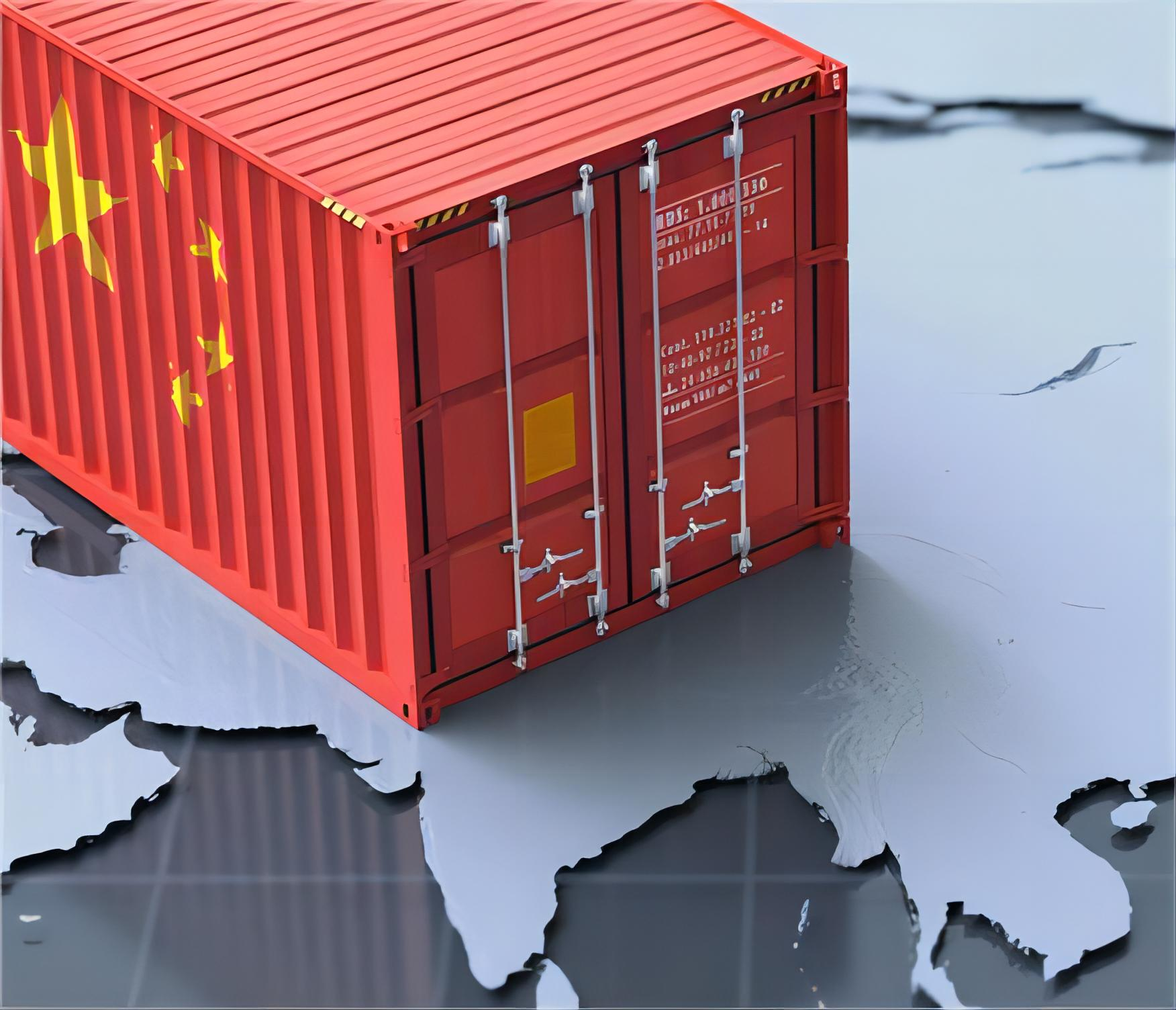
Why Tracking is Vital for Shipping from China with Tracking Spain
Visibility remains the most critical factor in modern international trade. When you are shipping from china with tracking spain, real-time data allows you to manage inventory levels with precision. Moreover, it provides peace of mind by confirming that your goods have cleared Chinese export customs. Without a robust tracking system, you risk losing sight of your investment during the long transit across the ocean or through air corridors.
Furthermore, modern tracking solutions integrate with GPS and satellite data to provide minute-by-minute updates. This level of transparency is particularly important for high-value items or time-sensitive seasonal goods. Consequently, importers can provide accurate delivery windows to their Spanish customers. Indeed, the ability to anticipate delays allows for proactive communication and better relationship management with end-users.
Additionally, tracking data serves as a vital record for insurance purposes. If a shipment is delayed or damaged, the digital trail provides evidence of where and when the issue occurred. Therefore, selecting a freight forwarder that offers an integrated tracking portal is a non-negotiable requirement for professional importers. Most top-tier carriers now provide these services as a standard part of their logistics package.
Exploring Air Freight Options for Speed and Security
Air cargo represents the fastest way to move goods across the globe. For many businesses, air freight is the preferred choice for electronics, fashion, and perishable items. While the cost per kilogram is higher than sea transport, the reduced transit time often justifies the investment. For instance, a shipment from Shenzhen can reach Madrid Barajas Airport in as little as 3 to 5 days.
Moreover, air transport offers enhanced security for sensitive cargo. Airports maintain strict access controls and rigorous handling procedures that minimize the risk of theft or damage. Additionally, the shorter transit time reduces the amount of capital tied up in inventory. As a result, companies can maintain a more agile supply chain and respond quickly to market trends in Spain.
Nevertheless, air freight has limitations regarding weight and volume. Large machinery or bulk raw materials are often too heavy or bulky for standard cargo planes. Consequently, importers must balance the need for speed with the financial reality of air freight rates. It is also important to consider the environmental impact, as air transport has a higher carbon footprint compared to rail or sea options.

The Role of Sea Freight in Large Scale Importation
Ocean transport remains the backbone of global trade due to its incredible cost-efficiency. Utilizing sea freight allows businesses to transport massive volumes of goods at a fraction of the cost of other methods. This is particularly true for commodities like furniture, construction materials, and heavy machinery destined for Spanish ports like Algeciras or Barcelona.
Furthermore, importers can choose between Full Container Load (FCL) and Less than Container Load (LCL) services. FCL is ideal for large shipments that can fill a 20ft or 40ft container, offering better security and faster handling. On the other hand, LCL allows smaller businesses to share container space, making international trade accessible to startups and SMEs. Consequently, sea freight offers a scalable solution for businesses of all sizes.
Typical transit times for sea routes from China to Spain range from 30 to 45 days. While this requires more advanced planning, the savings on freight rates can be substantial. For example, shipping a 40HQ container might cost only a few thousand dollars, whereas the same volume by air would be prohibitively expensive. Therefore, sea freight is the logical choice for non-urgent, high-volume cargo.
Express and Door to Door Services for Maximum Convenience
Many modern businesses require a seamless experience that handles every step of the logistics chain. Our express service is designed for those who need urgent delivery with minimal administrative effort. This option typically includes pick-up from the Chinese factory and delivery directly to your warehouse in Spain. Moreover, it often handles the basic customs formalities automatically.
Similarly, door to door shipping provides a comprehensive solution that removes the complexity of managing multiple intermediaries. By using a single provider, you reduce the risk of communication breakdowns and documentation errors. Consequently, this method is highly popular among Amazon FBA sellers and e-commerce entrepreneurs who prefer to focus on sales rather than logistics.
Additionally, these services provide the most detailed tracking information available. You can monitor your shipment through every milestone, from the initial pick-up to the final signature in Spain. For instance, you will know exactly when the cargo arrives at the sorting facility and when it is out for delivery. Indeed, the convenience of door-to-door logistics makes it an attractive alternative for many Spanish importers.

How Does Sea Freight Compare to Other Shipping Options?
When planning your logistics strategy, it is vital to compare the various modes of transport available. While sea freight is the most common, air and rail offer different advantages depending on your specific needs. For example, rail freight from China to Europe has become a popular middle-ground option, offering faster speeds than sea and lower costs than air. However, the availability of rail routes directly to Spain can vary based on geopolitical conditions.
In contrast, express courier services are unbeatable for small parcels but become extremely expensive as weight increases. For a shipment of 100kg, air freight might be more economical than express, while for 1000kg, sea freight becomes the clear winner. Consequently, you must analyze your cargo volume and budget before making a final decision. The following table provides a clear comparison of these methods.
| Shipping Method | Cost Range | Transit Time | Best For | Limitations |
|---|---|---|---|---|
| Sea Freight (FCL) | $2,500 – $4,500 | 30 – 45 Days | Bulk goods/Heavy cargo | Long transit time |
| Air Freight | $5 – $12 per kg | 3 – 7 Days | High-value/Urgent | High cost/Weight limits |
| Express Courier | $8 – $20 per kg | 2 – 5 Days | Small parcels/Samples | Very expensive for bulk |
| Rail Freight | $1,800 – $3,000 | 18 – 25 Days | Mid-sized shipments | Route availability |
Which Option Should You Choose? A Decision Framework
Selecting the right shipping method requires a balanced evaluation of several factors. If your primary goal is budget priority, we recommend sea freight for any shipment over 2 CBM. On the other hand, if speed priority is your main concern, air freight or express services are the only viable options. For instance, seasonal inventory or product launches often require the rapid turnaround that only air transport can provide.
Cargo type considerations also play a major role in your choice. Hazardous materials or oversized items may be restricted from air travel, leaving sea freight as the only option. Additionally, volume thresholds are important; once your shipment exceeds 15 CBM, FCL sea freight almost always becomes more economical than LCL. To summarize, your decision should align with your business’s financial goals and customer expectations.
Consider hybrid solutions if you want to balance cost and speed. Some importers use sea-air combinations, where goods are shipped by sea to a hub like Dubai and then flown to Spain. This can save up to 40% compared to pure air freight while still being much faster than pure sea freight. Without a doubt, exploring these alternative strategies can give your business a competitive edge in the Spanish market.
Real Case Studies: Shipping from China to Spain
Examining real-world examples helps to illustrate the practicalities of international logistics. Below are two scenarios based on typical shipments handled in late 2024 and early 2025. These cases highlight the costs, timelines, and logic behind different shipping choices.
Case Study 1: Electronics Distribution. Route: Shenzhen to Madrid. Cargo: 500kg of consumer electronics. Shipping Method: Air Freight. Cost: $4,200. Transit Time: 5 days. Key Insight: The high value-to-weight ratio made air freight the most logical choice to minimize capital lock-up.
Case Study 2: Home Decor Import. Route: Ningbo to Valencia. Cargo: 28 CBM (1 x 20GP container) of ceramic vases. Shipping Method: Sea Freight FCL. Cost: $2,850. Transit Time: 38 days. Key Insight: Using FCL ensured the fragile items were not handled multiple times, reducing the risk of breakage during the long voyage.
Navigating Customs and Documentation in Spain
Spanish customs regulations can be stringent, requiring precise documentation for every import. Engaging a professional customs brokerage service is often the best way to avoid costly delays at the border. You will need a valid EORI number, a commercial invoice, and a detailed packing list to begin the process. Furthermore, ensuring your HS codes are accurate is vital for determining the correct duty and VAT rates.
Additionally, certain products may require specific certifications, such as CE marking for electronics or phytosanitary certificates for agricultural goods. Failure to provide these documents can result in cargo being held at the port or even returned to China. Consequently, you should verify all requirements with your freight forwarder well before the ship leaves the port of loading. Indeed, proactive preparation is the key to a smooth customs clearance experience.
Moreover, the Spanish Tax Agency (Agencia Tributaria) monitors imports closely for valuation accuracy. It is essential to declare the true value of your goods to avoid penalties and audits. Using a deferred VAT scheme can also help with cash flow, allowing you to pay the import VAT on your periodic tax return rather than at the moment of entry. Therefore, consulting with a logistics expert can provide significant financial advantages beyond simple transport.
Transit Times and Port Information for Spain
Spain has several major ports that serve as gateways for Chinese goods. The choice of port often depends on the final destination of the cargo within the Iberian Peninsula. For example, Barcelona is the primary hub for northeastern Spain, while Valencia serves the central region and Madrid. Algeciras is a major transshipment hub but also handles significant volumes for southern Spain.
Transit times fluctuate based on the specific carrier and the route taken. Direct services are faster but usually come at a premium price. In contrast, transshipment routes via Singapore or Port Klang may take longer but offer lower rates. As of Q1 2025, freight rates have stabilized, but it is always wise to check for the latest schedules. The table below outlines typical transit times to major Spanish destinations.
| Destination Port | Origin Region | Average Transit (Sea) | Average Transit (Air) |
|---|---|---|---|
| Valencia | East China (Shanghai/Ningbo) | 32 – 38 Days | 4 – 6 Days |
| Barcelona | South China (Shenzhen/Guangzhou) | 28 – 34 Days | 3 – 5 Days |
| Bilbao | North China (Qingdao/Tianjin) | 40 – 45 Days | 5 – 7 Days |
| Algeciras | Any Major China Port | 26 – 32 Days | N/A (Sea Hub) |
Final Thoughts on Shipping from China with Tracking Spain
To summarize, successful importation depends on choosing the right method, ensuring visibility, and preparing accurate documentation. Whether you choose the speed of air freight or the economy of sea freight, shipping from china with tracking spain is the only way to maintain control over your supply chain. By understanding the trade-offs between cost and time, you can make informed decisions that support your business growth.
Additionally, remember that the logistics landscape is constantly evolving. Staying informed about market trends and maintaining a flexible strategy will help you navigate future challenges. Partnering with a reliable freight forwarder ensures that you have the support needed to overcome any obstacles. Ultimately, a well-managed shipping process is a powerful tool for any Spanish business looking to thrive in the global marketplace.

Ready to streamline your logistics?
Are you ready to optimize your logistics? Contact us today for a personalized quote on shipping from china with tracking spain and experience a hassle-free import process. Visit: https://chinafreightservice.com/ to get started. Send Inquiry:
Request Quote