
China Freight Service specializes in dependable shipping solutions from China to Puerto Rico, offering both ocean freight and air freight options to meet diverse transportation needs. Backed by a strong international carrier network and deep logistics expertise, we ensure your cargo is delivered efficiently, safely, and on schedule.Whether you select cost-effective sea transport or fast air shipping, we focus on achieving the best balance between speed, security, and affordability. From small parcels to full-scale commercial cargo, every shipment is handled with strict operational control and professional care. Our integrated door-to-door delivery service further guarantees that your goods arrive in Puerto Rico smoothly and on time.Trust China Freight Service to connect China and Puerto Rico with customized, reliable, and performance-driven shipping solutions designed around your exact requirements.
China Freight Service specializes in high-efficiency sea freight solutions from China to Puerto Rico, delivering stable, reliable, and fully customized shipping services to match your specific cargo and scheduling needs.

China Freight Service delivers fast and dependable air freight solutions from China to Puerto Rico, offering tailored service plans for efficient and secure cargo transportation. With precise schedule control and professional handling, we ensure your shipment reaches its destination on time and in perfect condition.

China Freight Service provides fully integrated door-to-door shipping solutions from China to Puerto Rico, delivering a truly hassle-free logistics experience from pickup to final delivery. Through end-to-end coordination, strict timeline control, and professional handling at every stage, we ensure your cargo arrives safely, on schedule, and without complications—giving you complete peace of mind throughout the entire shipping process.

China Freight Service provides premium FCL (Full Container Load) shipping services from China to Puerto Rico, delivering secure handling, stable schedules, and fast containerized transportation for your cargo. Supported by an experienced operations team and a strong global carrier network, we ensure cost-efficient execution and precise delivery control throughout the entire journey. Every FCL solution is carefully customized to your cargo type, volume, and transit timeline, guaranteeing optimal performance and value. Rely on China Freight Service for dependable FCL shipping that strengthens trade between China and Puerto Rico while prioritizing safety, efficiency, and on-time arrival.
China Freight Service delivers flexible and cost-efficient LCL (Less than Container Load) shipping solutions from China to Puerto Rico, designed specifically for small and medium-sized cargo volumes. Through optimized consolidation planning and streamlined logistics coordination, we help reduce overall shipping costs while maintaining stable transit performance. Our dedicated operations team supervises every stage—from cargo collection and consolidation to export handling and final delivery—ensuring secure handling and on-time arrival in Puerto Rico. Backed by extensive industry experience and a strong global logistics network, China Freight Service provides dependable LCL shipping solutions that support smooth, efficient, and integrity-driven trade between China and Puerto Rico.
China Freight Service will provide most fuel efficient pickup service China
We provide free warehousing services for any of your goods.
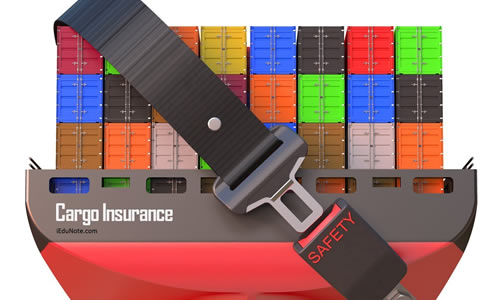
The cargo insurance protects your goods all the way to any Any FBA Warehouse

We handle all paperwork and other details for you.
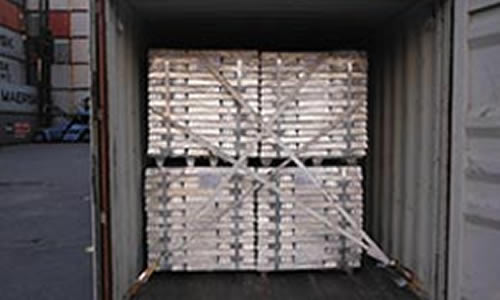
Ensure safe packaging and loading of goods in your suppliers' factory.
Shipping times from China to Puerto Rico can vary based on several factors. These include the chosen shipping method, departure and arrival locations, and customs clearance. Typically, air freight takes about 7 to 14 days. On the other hand, sea freight usually takes around 20 to 35 days. These are rough estimates, and actual times may differ. For more accurate information, consult your shipping carrier or freight forwarder.
The cost of shipping from China to Puerto Rico varies based on several factors:
Shipping Method: The choice between air freight, sea freight, or courier services affects the cost. Air freight is typically faster but more expensive.
Weight and Size: Larger and heavier shipments incur higher costs. Ensure accurate measurements and weight to get precise quotes.
Distance: The long distance between China and Puerto Rico impacts shipping costs. Longer distances generally increase expenses.
Shipping Provider: Different providers and freight forwarders offer varying rates. Compare multiple quotes to find the best option.
Customs Duties and Taxes: Import duties, taxes, and customs clearance fees can increase the overall cost. Be aware of these additional expenses.
Additional Services: Optional services like insurance, tracking, and special handling may also affect the total cost. Evaluate these based on your needs.
Since Puerto Rico is a U.S. territory, shipping procedures are similar to those for the continental U.S. However, be mindful of any additional customs and logistics considerations.
For an accurate estimate, contact shipping companies or China Top Forwarder directly. Provide details about your shipment, including size, weight, origin, destination, and shipping method. This will allow them to give you a tailored quote.
Shipping from China to Puerto Rico involves several key steps to ensure a smooth process:
Choose a Shipping Method: Decide between air freight and sea freight. Air freight is faster but more expensive. Sea freight is cost-effective for larger shipments, though slower.
Find a Freight Forwarder: Research and select a reliable freight forwarder or shipping carrier. Look for those with experience in international shipping and a good track record.
Get a Quote: Contact the chosen forwarder to request a quote. Provide details like dimensions, weight, and any special requirements.
Prepare Shipping Documents: Gather necessary documents, including the commercial invoice, packing list, and bill of lading or air waybill. Ensure all paperwork is accurate for customs clearance.
Customs Clearance: Understand customs regulations for both China and Puerto Rico. Ensure compliance to avoid delays during clearance.
Packaging and Labeling: Package items securely and label each package with the recipient’s details and relevant shipping labels.
Track Your Shipment: Use the tracking information provided by your freight forwarder to monitor your shipment’s progress and estimated arrival time.
Receive Your Shipment: Be ready to receive the shipment in Puerto Rico and complete any necessary customs procedures.
By following these steps and working with experienced shipping partners, you can ensure a successful and hassle-free shipment from China to Puerto Rico.
Arranging air freight from China to Puerto Rico involves several key steps:
Research Air Freight Providers: Start by researching and identifying air freight providers that offer services from China to Puerto Rico. Look for companies with a strong reputation for reliability and efficiency.
Request Quotes: Reach out to multiple air freight providers to request quotes. Provide details such as dimensions, weight, and nature of your cargo, along with desired departure and arrival dates.
Select a Provider: Evaluate the quotes based on pricing, transit time, and the provider's reputation. Choose the air freight provider that best meets your needs and budget.
Book Your Shipment: Once you've selected a provider, book your shipment. Provide necessary details about your cargo, including pickup location, delivery address in Puerto Rico, and any special handling instructions.
Prepare Shipping Documents: Gather required documents, including the commercial invoice, packing list, air waybill, and any other relevant paperwork. Ensure all documents are accurate and complete.
Packaging and Labeling: Properly package your cargo to protect it during transit. Label each package with the recipient's name, address, and contact information in Puerto Rico, as well as any required shipping labels.
Customs Clearance: Be aware of customs regulations for both China and Puerto Rico. Work with your air freight provider to ensure compliance with all applicable rules and regulations.
Track Your Shipment: Use tracking services provided by your air freight provider to monitor the progress. Stay informed about the estimated arrival time and any updates or delays.
Receive Your Shipment: Once your shipment arrives in Puerto Rico, coordinate with the recipient or local customs broker to complete necessary customs clearance procedures and arrange for delivery or pickup.
By following these steps and working closely with your chosen air freight provider, you can ensure efficient and reliable air freight from China to Puerto Rico.
Calculating shipping costs from China to Puerto Rico involves several key factors:
Shipping Method: Choose between air freight and sea freight. Air freight is faster but pricier, while sea freight is more cost-effective for larger shipments.
Weight and Dimensions: The cost is based on the greater of the actual weight or volumetric weight, which is calculated from the shipment’s dimensions.
Shipping Volume: Larger volumes may qualify for discounts or special rates with carriers.
Distance: The distance from China to Puerto Rico affects the cost. Longer distances generally increase shipping costs.
Shipping Carrier: Rates and services vary among carriers. Compare quotes from multiple carriers to find the best rate for your shipment.
Additional Services: Services like insurance, expedited shipping, and customs clearance can add to the cost.
To calculate shipping costs:
Gather Details: Measure the weight, dimensions, and volume of your shipment.
Choose Method: Decide if air freight or sea freight suits your needs and budget.
Request Quotes: Contact freight forwarders or carriers for quotes. Provide precise details about your shipment.
Compare Quotes: Evaluate quotes based on pricing, transit time, and included services.
Calculate Total Cost: Add the base rate, additional fees, and any applicable taxes or duties.
Consider Other Costs: Include expenses like packaging materials, customs duties, and extra services.
By following these steps and considering these factors, you can accurately determine shipping costs from China to Puerto Rico.
Air shipping from China to Puerto Rico is ideal in several scenarios:
Urgency: When you need quick delivery, air shipping is the best option. It offers faster transit times than sea freight, making it suitable for time-sensitive shipments.
Perishable Goods: For perishable items like fresh produce or pharmaceuticals, air shipping ensures they arrive quickly and in optimal condition.
High-Value Items: Air shipping is preferred for high-value items due to its faster transit and higher security. It reduces the risk of theft or damage.
Small Shipments: For small or lightweight shipments, air freight can be more cost-effective despite generally higher rates. The lower volume can offset the higher cost per kilogram.
Seasonal Demand: During peak seasons, air shipping ensures timely delivery. It offers flexibility to meet high demand, such as during holidays or promotional events.
Just-in-Time Inventory: Air shipping supports quick stock replenishment, minimizing inventory costs and ensuring timely availability of products.
Prototype or Sample Shipments: For prototypes, samples, or small quantities, air shipping provides a fast and efficient transport option to Puerto Rico.
In these scenarios, air shipping offers speed, reliability, and flexibility, making it the preferred choice for shipping from China to Puerto Rico.
When importing goods from China to Puerto Rico, you need to consider various taxes and duties. Here’s a breakdown of what to expect:
Customs Valuation: Customs duties are based on the customs value of your goods. This includes the cost of the goods, freight, insurance, and other charges incurred before arrival in Puerto Rico.
Tariff Rates: Different goods have different tariff rates, determined by the Harmonized System (HS) classification. Each product has an HS code, which dictates the duty rate applied.
Trade Agreements: Puerto Rico’s trade agreements with certain countries may affect duty rates. Goods from countries with agreements might qualify for lower tariffs or exemptions.
Taxation Policies: Besides customs duties, other taxes like value-added tax (VAT) or excise duty may apply. The rates depend on the nature of the goods and local taxation policies.
Customs Clearance Fees: Importers may need to pay fees for processing and inspecting goods. These are separate from duties and taxes and are charged by customs brokers or freight forwarders.
To determine the exact tax and duty for your shipment from China to Puerto Rico, consult with a customs broker or freight forwarder. They can provide details on tariff rates, taxes, and charges, ensuring compliance with customs regulations.
Choosing between Less than Container Load (LCL) and Full Container Load (FCL) shipping involves several factors:
Volume of Goods: If your shipment fills an entire container, FCL is more cost-effective. FCL provides exclusive use of the container, reducing handling and minimizing damage.
Cost Considerations: FCL typically has lower rates per unit for large shipments. Conversely, LCL is more economical for smaller shipments since you only pay for the space you use.
Time Sensitivity: FCL usually offers faster transit times than LCL. FCL shipments avoid delays from consolidation and deconsolidation, making it ideal for urgent deliveries.
Security and Risk: FCL enhances security by sealing your goods in a container until delivery. This is especially important for high-value or fragile items.
Flexibility: LCL is more flexible for varying shipment volumes. It consolidates multiple smaller shipments into one container, optimizing space and cost.
Destination Accessibility: Evaluate the port facilities in Puerto Rico. FCL is viable if the port handles container ships well. For distribution to multiple locations or if the port favors LCL, consider LCL shipping.
Ultimately, the choice between LCL and FCL depends on your shipment’s needs, budget, and logistics. Consult with China Top Forwarder to find the best solution for shipping from China to Puerto Rico.
Tracking your shipment from China to Puerto Rico involves using the tracking services provided by your freight forwarder or shipping carrier. Here’s how you can effectively track your shipment:
Tracking Number: When you book your shipment, you receive a tracking or reference number from your freight forwarder or shipping carrier.
Online Tracking: Visit the carrier's website and go to the tracking section. Enter your tracking number into the designated field to view the shipment status.
Mobile Apps: Download the carrier's app from the app store. Log in with your tracking information to monitor your shipment from your smartphone or tablet.
Email or SMS Notifications: Sign up for email or SMS notifications during booking or through the carrier’s website or app. These updates keep you informed about your shipment’s status.
Customer Service: Contact the customer service department of your freight forwarder or carrier if you have any issues or questions. They can provide assistance and updates.
Third-Party Tracking Services: Use third-party tracking websites that aggregate information from multiple carriers. This allows you to track your shipment from various carriers in one place.
Customs Clearance Updates: Note that tracking information may be limited once the shipment reaches Puerto Rico’s port. For updates on customs clearance, check with your freight forwarder or carrier.
By following these steps, you can monitor your shipment from China to Puerto Rico and ensure a smooth delivery process.
Shipping goods from China to Puerto Rico involves several key documents to ensure compliance with customs regulations and smooth delivery:
Commercial Invoice: This document details the goods being shipped, including descriptions, quantities, and values. It acts as a customs declaration and helps in clearance and valuation.
Packing List: A packing list outlines the contents of each package or container. It includes descriptions, quantities, weight, and dimensions. This helps customs verify the shipment's contents and ensure import regulations are met.
Bill of Lading (B/L) or Air Waybill: Use the bill of lading for sea freight and the air waybill for air freight. These documents serve as a receipt and contract of carriage, detailing the shipment, shipper, consignee, and terms.
Certificate of Origin: This certifies the country where the goods originate. It may be required for preferential tariffs under trade agreements or to comply with Puerto Rico's import regulations.
Customs Declaration Forms: Depending on the goods and Puerto Rico's specific requirements, additional forms may be needed. These forms provide detailed information about the goods, their value, and intended use.
Export License (if applicable): Some goods may need an export license from Chinese authorities. Verify with relevant authorities or your freight forwarder if this applies to your shipment.
Insurance Certificate (if applicable): If you have cargo insurance, provide an insurance certificate as proof of coverage for loss or damage during transit.
Other Documentation: Additional documents, such as compliance certificates or import permits, may be necessary depending on the goods and Puerto Rico’s customs requirements.
Preparing all required documentation accurately is crucial for smooth customs clearance and timely delivery. Working with experienced freight forwarders or shipping agents can ensure compliance with all regulatory requirements.
Operations deal with the way the vehicles are operated, and the procedures set for this purpose, and policies. In the transport industry, operat ions and ownership of infrastructure can be either country.