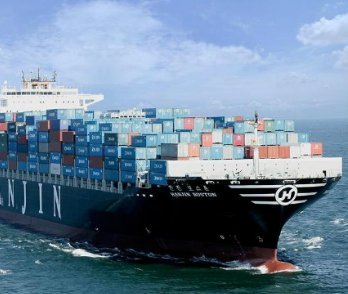
China Freight Service ensures reliable, efficient sea freight from China to Montenegro—covering all your shipping needs with expert coordination and proactive support.
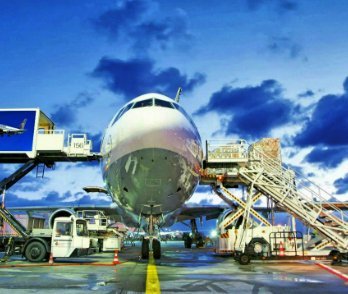
We provide fast, secure air freight solutions from China to Montenegro, delivering on tight timelines with rigorous handling standards and real-time updates.
Our door-to-door service to Montenegro is truly end-to-end—factory pickup, customs, last-mile delivery—giving you a seamless, hassle-free logistics experience.
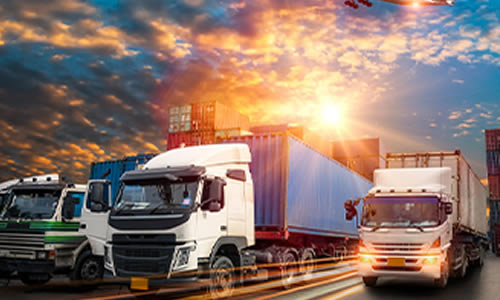
China Freight Service specializes in efficient and reliable FCL (Full Container Load) shipping from China to Montenegro, ensuring secure transport and on-time delivery for all your cargo needs.
China Freight Service also offers dependable LCL (Less than Container Load) shipping from China to Montenegro, providing cost-effective solutions and seamless logistics for smaller shipments.
China Freight Service operates a highly fuel-efficient pickup network across China, helping you reduce transportation costs while actively supporting environmentally responsible logistics through optimized routing and green operating practices.
We provide complimentary warehouse storage for all your cargo, ensuring convenient and cost-free holding solutions for your goods.
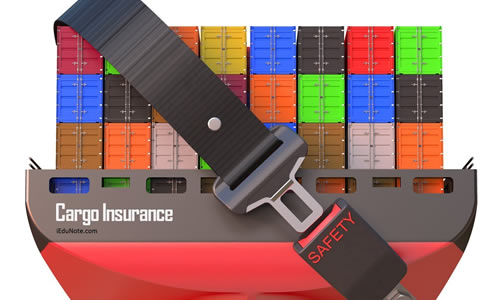
Cargo insurance provides full protection for your shipment from origin to final delivery at any designated FBA warehouse, ensuring complete coverage throughout the entire journey.
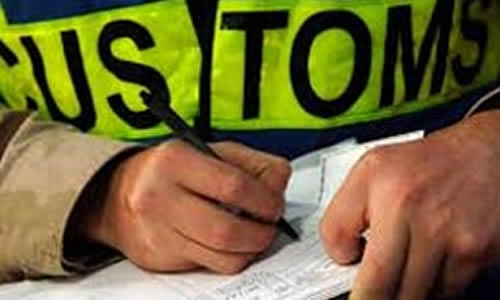
We handle all paperwork and other details for you.
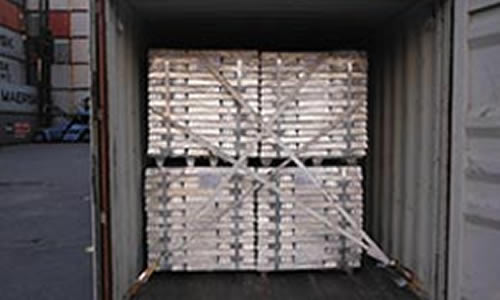
We ensure all goods are securely packed and professionally loaded at your supplier’s factory to minimize risk and protect cargo throughout transportation.
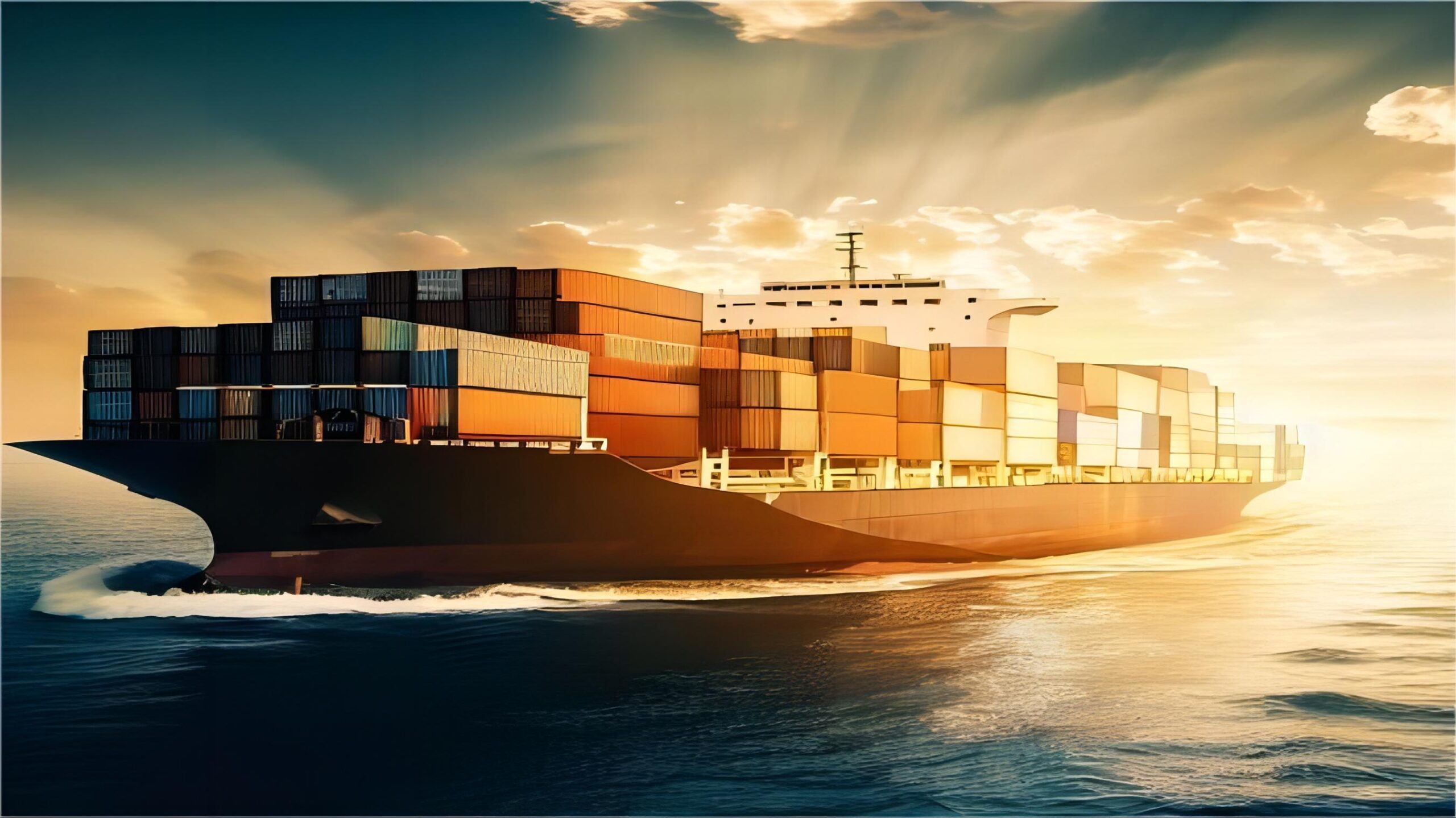
The most common shipping methods from China to Montenegro are sea freight and air freight. Sea freight is more cost-effective and suitable for large shipments, typically taking 25 to 45 days. Air freight is faster, usually taking 5 to 10 days, but is more expensive, making it ideal for urgent or high-value shipments.
To ensure timely delivery, choose reliable freight forwarders, ensure accurate documentation, use real-time tracking, and maintain open communication with all parties involved. Planning for potential delays and having contingency plans also help in managing unforeseen issues.
Customs requirements include providing accurate documentation such as invoices, packing lists, and certificates of origin. Compliance with local regulations and payment of applicable duties and taxes are also necessary to avoid delays and penalties.
Select a freight forwarder with a strong track record, good customer reviews, and expertise in handling shipments to Montenegro. Assess their network, services offered, pricing, and their ability to handle customs clearance efficiently.
Use sturdy, high-quality materials, ensure goods are well-padded, and secure them within the container to prevent movement. Label packages clearly, indicating fragile items and handling instructions. Proper packaging protects against damage during transit.
Insurance is crucial for protecting against potential losses, theft, or damage during transit. It provides financial security and peace of mind, ensuring that you are compensated for any unforeseen issues affecting your shipment.
Risks include delays due to customs processing, adverse weather conditions, theft, damage during transit, and potential regulatory compliance issues. Proper planning and risk mitigation strategies help in managing these risks effectively.
Tracking technology provides real-time visibility into the shipment’s location and status. This helps in monitoring progress, anticipating delays, and addressing issues promptly, ensuring better control and management of the shipping process.
Effective communication ensures all parties are informed and coordinated. Clear instructions, regular updates, and prompt responses to queries and concerns help in preventing misunderstandings and ensuring smooth, efficient freight operations.
4o
Operations deal with the way the vehicles are operated, and the procedures set for this purpose, and policies. In the transport industry, operat ions and ownership of infrastructure can be either country.