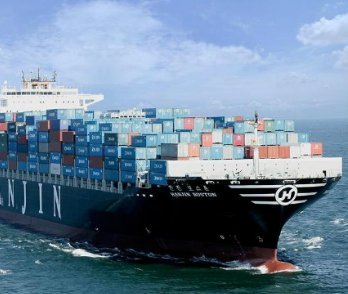
China Freight Service is your trusted logistics partner for shipping from China to Angola. We specialize in providing efficient logistics solutions to Angola, ensuring timely and secure delivery to key locations such as Luanda, the capital, and Lubango, the second-largest city. Whether you’re shipping FCL (Full Container Load), LCL (Less than Container Load), or air freight, we handle every step of the process to ensure your goods reach their destination securely and on time. Our services include sea freight, air freight, and door-to-door shipping, offering flexible and reliable shipping solutions tailored to your needs.
China Freight Service offers sea freight services to Angola, delivering goods to major ports such as Porto de Luanda, Porto de Lobito, and Porto de Namibe. Whether you're shipping FCL (Full Container Load) or LCL (Less than Container Load), we provide tailored solutions depending on your shipment’s size and urgency. Our services include customs clearance, secure loading, and transshipment to inland destinations such as Luanda, Lubango, and Benguela. We work with trusted global carriers like COSCO, OOCL, and MSC to ensure your cargo is transported securely and efficiently.
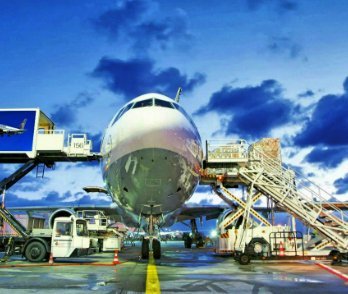
For time-sensitive shipments, China Freight Service provides fast air freight services from China to Angola, delivering to Quatro de Fevereiro International Airport (Luanda) or Lubango Airport. Our air freight services guarantee quick delivery, typically within 5–7 days, making them ideal for urgent shipments such as electronics, medical supplies, or luxury items. We handle customs clearance, tax handling, and real-time tracking, ensuring your time-sensitive shipments arrive swiftly and securely, even to remote locations in Angola.

We offer door-to-door shipping services from China to Angola, ensuring your goods are picked up from your factory or warehouse in China and delivered directly to your specified address in Luanda, Lubango, Benguela, or any other location in Angola. Our comprehensive services include customs clearance, tax handling, secure loading, and last-mile delivery. We manage all logistics, providing a seamless shipping experience from start to finish, ensuring your goods reach their destination without delays.

For oversized or specialized shipments, China Freight Service offers project cargo shipping to Angola. This service is ideal for industries such as construction, energy, and infrastructure, where large, heavy, or high-value items are required. We manage every step of the logistics process, from specialized handling, loading, customs clearance, and secure delivery to Luanda, Lubango, or other locations in Angola. Whether you’re shipping construction equipment, machinery, or infrastructure components, we ensure your project cargo arrives safely and on time.
China Freight Service delivers highly efficient pickup solutions across China, ensuring minimal fuel consumption and optimized logistics performance for every shipment.
We offer complimentary warehousing solutions for all types of goods, ensuring secure and flexible storage at no additional cost.
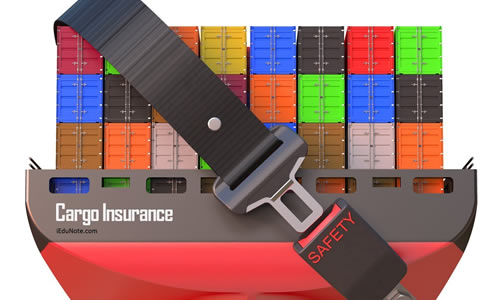
Our cargo insurance ensures your shipment remains fully protected throughout its journey to any FBA warehouse.

We take care of all documentation and logistical details on your behalf.
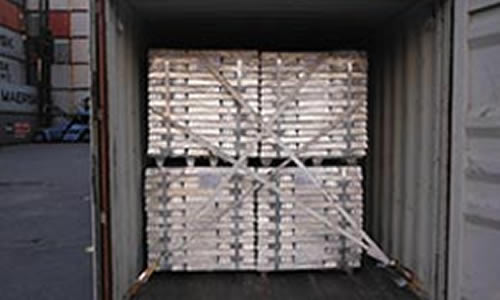
We guarantee secure packaging and proper loading of your goods directly at your supplier’s facility.
Shipping goods from China to Angola requires several key documents for smooth processing. These include:
Sea freight from China to Angola typically takes between 30 to 45 days. The duration can vary depending on the shipping route, weather conditions, and whether there are any transshipment stops. Sea freight is cost-effective but slower compared to other methods.
Air freight from China to Angola usually takes about 7 to 10 days. This method is much faster than sea freight but comes with higher costs, making it suitable for urgent shipments.
The major ports in Angola include the Port of Lobito and the Port of Luanda. The Port of Lobito is crucial for trade, while the Port of Luanda, being the capital city port, handles a significant volume of import and export goods.
Currently, there is no direct railway route from China to Angola. Although China’s rail network is extensive, goods are typically transported to other ports and then shipped by sea to Angola.
Angola primarily imports consumer goods, machinery, and raw materials. Its main exports include oil, diamonds, timber, and other mineral resources, which are key to its economy.
Goods from China to Angola often pass through transshipment ports such as Singapore, Dubai, or South Africa. These ports serve as crucial hubs to optimize shipping routes and reduce costs.
Sea freight costs from China to Angola vary depending on the shipping company, type of cargo, and volume. Generally, costs range from $200 to $500 per ton. For exact rates, consulting with logistics providers is recommended.
Angola imposes customs duties on imported goods, with rates varying by product category. Duties generally range from 10% to 30%, and there may also be VAT and other taxes.
Required documents for importing goods into Angola typically include a commercial invoice, packing list, bill of lading, certificate of origin, and possibly an import license. Specific requirements may vary by product type and destination.
Common challenges include underdeveloped infrastructure, slow customs processes, and high logistics costs. Limited road and port facilities can impact delivery speed, so thorough planning is essential for smooth logistics.
Operations deal with the way the vehicles are operated, and the procedures set for this purpose, and policies. In the transport industry, operat ions and ownership of infrastructure can be either country.