

Freight Forwarding Services China Spain: 2025 Logistics Guide
Developing a robust supply chain between Asia and Southern Europe requires selecting the right logistics partner to manage complex international trade regulations. Many businesses rely on freight forwarding services china spain to navigate the intricacies of global shipping and ensure timely delivery of goods. Consequently, understanding the various transport modes and cost structures is essential for maintaining a competitive edge in the Spanish market. This guide provides a comprehensive analysis of logistics strategies tailored for the China-Spain trade lane.

Current Market Trends for Shipping to Spain in 2025
As of early 2025, the logistics landscape for shipping from China to Europe has faced significant shifts due to global maritime route adjustments. Specifically, freight rates have stabilized after the volatility seen in 2024, though seasonal demand remains a primary driver of cost fluctuations. Furthermore, Spanish importers are increasingly diversifying their transport modes to mitigate risks associated with port congestion in major hubs like Barcelona and Algeciras.
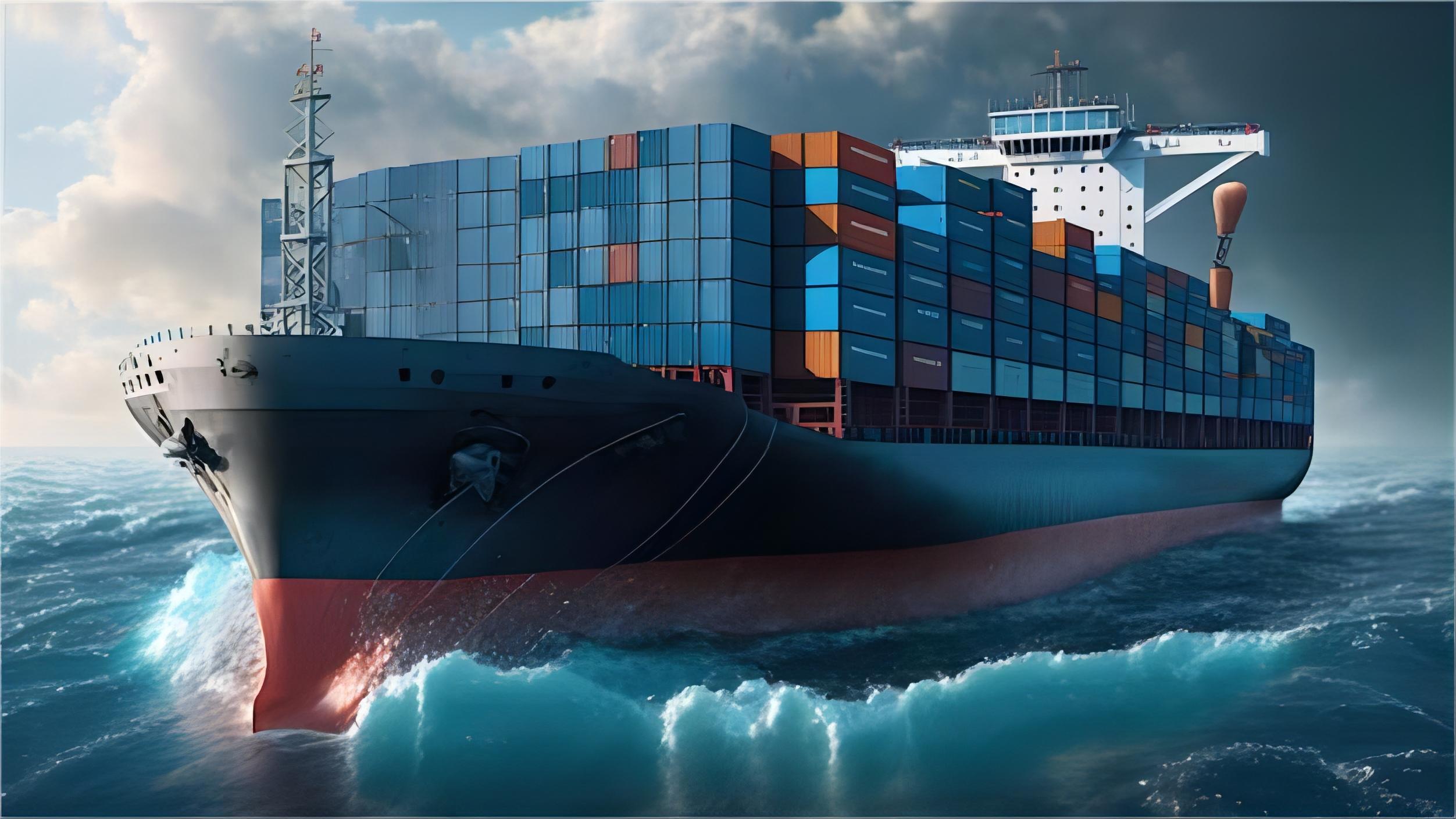
Market data suggests that the demand for consumer electronics and industrial machinery continues to dominate the trade volume between these two nations. Additionally, the rise of e-commerce has led to a surge in demand for faster transit solutions and integrated warehousing. Therefore, choosing a forwarder with local expertise in both Chinese manufacturing hubs and Spanish customs procedures is more critical than ever.
Typical rates as of Q1 2025 indicate that while ocean freight remains the most economical choice for bulk goods, air freight is preferred for high-value items requiring rapid turnover. Meanwhile, rail freight offers a unique middle ground for businesses looking to balance speed and budget. Consequently, shippers must evaluate their specific inventory needs against the current market capacity to optimize their landed costs.
How Does Sea Freight Compare to Other Shipping Options?
When evaluating sea freight, businesses must consider both Full Container Load (FCL) and Less than Container Load (LCL) options. For instance, FCL is ideal for large shipments that can fill a 20ft or 40ft container, offering better security and faster handling at the port. In contrast, LCL allows multiple shippers to share container space, making it a cost-effective alternative for smaller volumes under 15 CBM.
While sea freight offers the lowest cost per unit, it also involves the longest transit times, often ranging from 30 to 45 days depending on the route. Moreover, the choice between direct sailings and transshipment via hubs like Singapore or Port Klang can significantly impact both the price and the delivery schedule. Specifically, direct routes to Valencia or Barcelona are generally faster but may carry a premium rate compared to transshipment options.
Notably, sea freight remains the backbone of the China-Spain trade lane due to its ability to handle massive volumes of diverse cargo types. However, businesses must account for potential delays at the Suez Canal or weather-related disruptions in the Mediterranean. Therefore, maintaining a buffer in the supply chain schedule is highly recommended for sea-bound shipments.
| Shipping Method | Cost Range | Transit Time | Best For |
|---|---|---|---|
| Sea Freight (FCL) | $1,800 – $4,200 | 30-40 Days | Large Bulk Cargo |
| Air Freight | $4.50 – $9.00/kg | 5-8 Days | Urgent/High Value |
| Rail Freight | $2,500 – $5,500 | 18-24 Days | Medium Volume |
| Express | $8.00 – $15.00/kg | 3-5 Days | Samples/Small Parcels |
The Role of Air Freight in Urgent Supply Chains
For shipments where time is the most critical factor, air freight provides the fastest connection between Chinese industrial centers and Spanish airports. Consequently, many high-tech companies and fashion retailers utilize air cargo to meet tight market deadlines or respond to sudden surges in consumer demand. Furthermore, air transport significantly reduces the risk of damage or theft compared to longer maritime journeys.
Although the cost of air transport is considerably higher than other methods, the reduction in inventory holding costs often justifies the expense. For example, shipping 500kg of electronics via air might cost $3,500 but saves three weeks of transit time compared to the ocean. Additionally, the frequency of flights from major hubs like Shenzhen and Shanghai to Madrid-Barajas ensures consistent availability for urgent cargo.
To optimize air freight costs, shippers should focus on minimizing the volumetric weight of their packaging. Indeed, carriers charge based on either actual weight or dimensional weight, whichever is greater. As a result, efficient packing and consolidating shipments can lead to substantial savings on international air cargo rates.
Rail Freight: The Middle Ground for China-Spain Trade
In recent years, rail freight has emerged as a viable alternative for businesses seeking a balance between speed and cost. The Yixinou line, connecting Yiwu to Madrid, represents one of the longest rail links in the world, facilitating direct trade across the Eurasian continent. Consequently, this route has become increasingly popular for automotive parts, machinery, and consumer goods that are too heavy for air but too urgent for sea.
Typically, rail transit takes approximately 18 to 22 days, which is nearly half the time of traditional ocean shipping. Moreover, rail transport is generally more environmentally friendly than air freight and less susceptible to the volatile weather conditions found at sea. Therefore, it serves as an excellent strategic option for companies looking to optimize their logistics lead times without the high expense of air cargo.
However, shippers should be aware that rail capacity can be limited during peak seasons, such as the period leading up to the Lunar New Year. Additionally, various border crossings require gauge changes, which can occasionally lead to minor delays. Nevertheless, for consistent mid-sized shipments, rail freight offers a reliable and predictable schedule for the Spanish market.
Navigating Customs Brokerage and Compliance in Spain
Successfully importing goods into Spain requires a deep understanding of European Union customs regulations and local tax requirements. Engaging a professional customs brokerage service is often the best way to ensure that all documentation is accurate and compliant. Specifically, missing or incorrect paperwork can lead to costly delays at the port of entry and potential fines from Spanish authorities.
Key documents for Spanish imports include the Commercial Invoice, Packing List, and the Bill of Lading or Air Waybill. Furthermore, certain products may require specific certifications, such as the CE mark for electronics or phytosanitary certificates for agricultural products. Therefore, verifying these requirements before the cargo leaves China is essential for a smooth clearance process.
Indeed, Spanish customs are known for being thorough, particularly regarding the valuation of goods and the application of Value Added Tax (VAT). Consequently, having a representative who can communicate effectively with customs officials in Spanish can significantly expedite the release of your cargo. Ultimately, proactive compliance is the most effective strategy for avoiding unexpected logistics expenses.
| Document Name | Purpose | Required By | Timing |
|---|---|---|---|
| Commercial Invoice | Value Declaration | Customs | At Booking |
| Packing List | Content Detail | Warehouse/Customs | At Loading |
| Bill of Lading | Title to Goods | Carrier/Consignee | After Departure |
| Certificate of Origin | Duty Rate Verification | Customs | Pre-Arrival |
Door to Door Logistics and Amazon FBA Solutions
Many modern businesses prefer door to door services to simplify their logistics chain and reduce the number of touchpoints. This comprehensive service covers everything from the initial pickup at the factory in China to the final delivery at a warehouse in Madrid or Barcelona. Consequently, the shipper only has to deal with a single point of contact, which greatly reduces administrative overhead.
For e-commerce sellers, specialized Amazon FBA shipping services are crucial for maintaining inventory levels in Spanish fulfillment centers. These services ensure that products meet Amazon’s strict labeling and packaging requirements before they arrive at the warehouse. Moreover, integrated tracking systems allow sellers to monitor their shipments in real-time, providing peace of mind throughout the transit process.
Additionally, door to door solutions often include the payment of duties and taxes (DDP), which simplifies the financial aspect for the importer. Therefore, even small-scale entrepreneurs can compete effectively in the Spanish market by leveraging these streamlined logistics services. In summary, end-to-end management is often the most efficient way to handle complex international shipments.

Real-World Case Studies: China to Spain Shipments
Case Study 1: Industrial Machinery from Ningbo to Valencia Route: Ningbo, China to Valencia, Spain Cargo: CNC Machinery, 28 CBM, 14,000 kg Container: 40GP Full Container Load Shipping Details: – Carrier: COSCO Shipping – Port of Loading: Ningbo-Zhoushan – Port of Discharge: Valencia – Route Type: Direct Cost Breakdown: – Ocean Freight: $3,150 – Origin Charges: $450 – Destination Charges: $600 – Customs & Duties: $1,200 (Estimated) – Total Landed Cost: $5,400 Timeline: – Booking to Loading: 4 days – Sea Transit: 33 days – Customs Clearance: 3 days – Total Door-to-Door: 40 days Key Insight: Utilizing a direct route minimized handling risks for sensitive machinery.
Case Study 2: Electronics from Shenzhen to Madrid Route: Shenzhen, China to Madrid, Spain Cargo: Consumer Electronics, 1.2 CBM, 450 kg Container: Air Freight (Palletized) Shipping Details: – Carrier: Qatar Airways Cargo – Port of Loading: Shenzhen (SZX) – Port of Discharge: Madrid (MAD) – Route Type: Transshipment via Doha Cost Breakdown: – Air Freight: $2,925 ($6.50/kg) – Origin Charges: $150 – Destination Charges: $200 – Customs & Duties: $850 (Estimated) – Total Landed Cost: $4,125 Timeline: – Booking to Loading: 2 days – Air Transit: 2 days – Customs Clearance: 1 day – Total Door-to-Door: 5 days Key Insight: Air freight was essential to meet a product launch deadline in the Spanish market.
Case Study 3: Furniture from Shanghai to Barcelona Route: Shanghai, China to Barcelona, Spain Cargo: Home Furniture, 8 CBM, 2,200 kg Container: LCL (Less than Container Load) Shipping Details: – Carrier: Mediterranean Shipping Company (MSC) – Port of Loading: Shanghai – Port of Discharge: Barcelona – Route Type: Direct Cost Breakdown: – Ocean Freight: $720 ($90/CBM) – Origin Charges: $280 – Destination Charges: $350 – Customs & Duties: $400 (Estimated) – Total Landed Cost: $1,750 Timeline: – Booking to Loading: 5 days – Sea Transit: 36 days – Customs Clearance: 4 days – Total Door-to-Door: 45 days Key Insight: LCL provided a cost-effective solution for a shipment that did not require a full container.
Which Shipping Option Should You Choose?
Selecting the optimal transport method depends on your specific business priorities regarding budget, speed, and cargo volume. For example, if your primary goal is to minimize costs and you are shipping large quantities, sea freight is undoubtedly the best choice. On the other hand, if you are dealing with perishable goods or urgent replacements, air freight becomes the necessary investment despite the higher price point.
For medium-sized shipments that need to arrive faster than sea freight but at a lower cost than air, rail freight offers a compelling compromise. Furthermore, businesses should consider hybrid solutions, such as combining sea and air freight, to optimize both cost and transit time. Specifically, shipping via sea to a hub like Dubai and then flying the cargo to Spain can sometimes provide a beneficial middle ground.
Ultimately, the decision should be based on a thorough analysis of your supply chain requirements and the current market conditions. We recommend consulting with a logistics expert who can provide a tailored quote and suggest the most efficient route for your specific cargo. By carefully weighing these factors, you can ensure that your freight forwarding services china spain are both effective and economical.
Mastering Your Logistics from China to Spain
In conclusion, managing freight forwarding services china spain requires a strategic approach that balances cost, speed, and reliability. Whether you choose sea, air, or rail freight, understanding the nuances of each method will help you optimize your supply chain. Furthermore, partnering with an experienced forwarder ensures that your customs brokerage and door to door delivery are handled with professional care. As market conditions continue to evolve, staying informed and flexible will be the key to your success in the Spanish trade market.
Note: Freight rates are subject to change based on fuel costs, carrier capacity, and seasonal demand. Contact us for a current quote tailored to your specific shipment.

Ready to streamline your logistics?
Ready to streamline your logistics? Contact our expert team for a customized quote on freight forwarding services china spain today. Visit our inquiry page to get started: Visit https://chinafreightservice.com/contact-us/
Request Quote