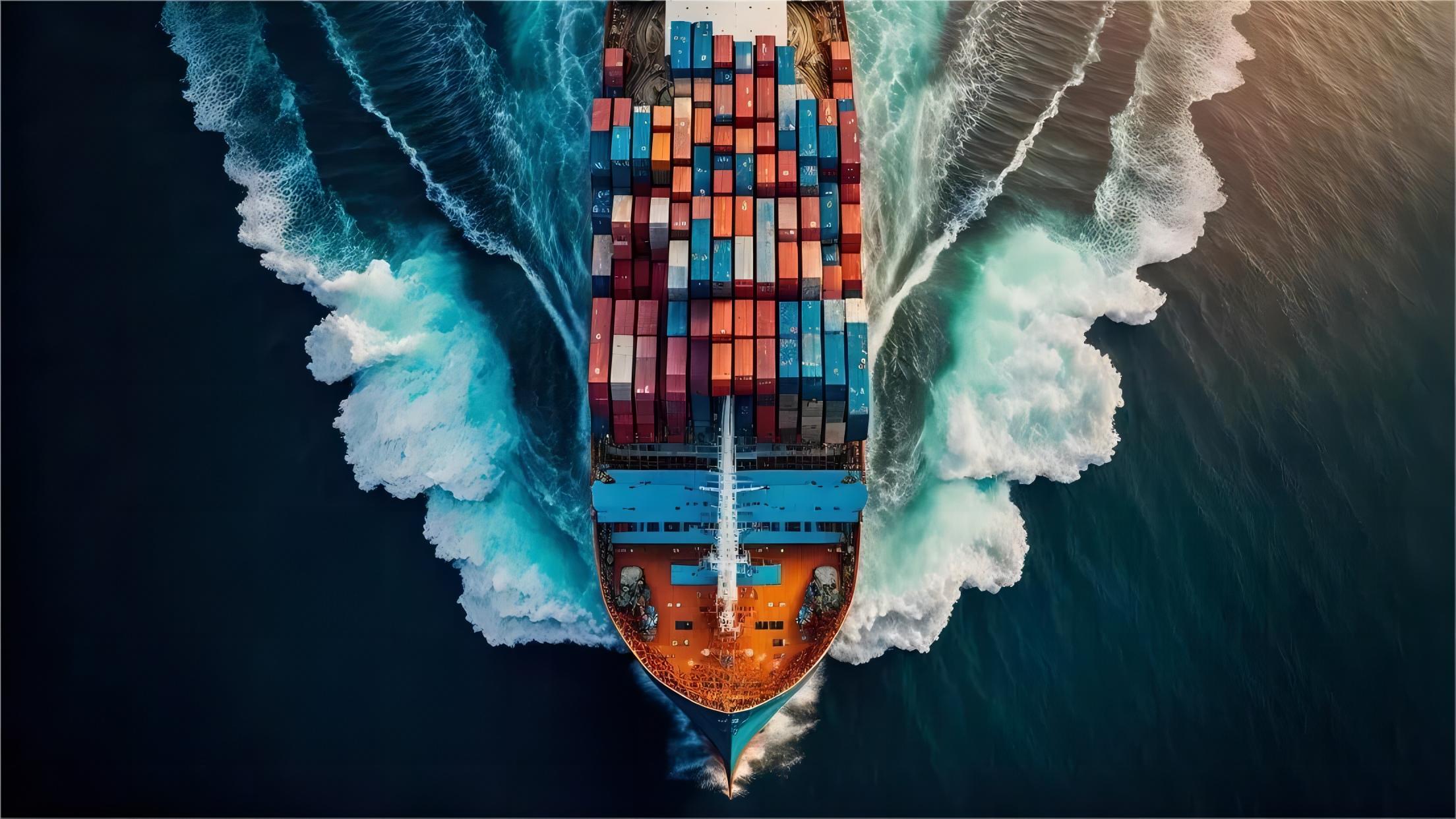

China Sourcing and Shipping Service Commercial Cargo: 2026 Logistics Guide
“Navigating the complexities of international trade requires a robust china sourcing and shipping service commercial cargo strategy to ensure long-term profitability. Many businesses struggle with rising costs and delayed timelines when managing overseas suppliers without professional help. China Freight Service provides the expertise needed to streamline your procurement and logistics workflows effectively in the current 2026 market. Consequently, choosing an integrated partner allows you to focus on sales while experts handle the heavy lifting of global transport.”

What is a China Sourcing and Shipping Service for Commercial Cargo?
❖This integrated approach combines product procurement with international logistics to simplify the movement of goods across borders. Businesses often find that managing separate entities for sourcing and freight leads to communication gaps and increased overhead. Consequently, a unified service model allows for better quality control and synchronized delivery schedules. Furthermore, these services provide transparency across the entire supply chain from the factory floor to the final warehouse.
Reliable commercial freight forwarding services act as the backbone of modern import operations. They handle everything from supplier verification to final mile delivery, ensuring that your capital is protected. In addition, professional agents negotiate better rates with carriers due to their high shipping volumes. Therefore, small and medium enterprises can access the same logistics efficiencies as large corporations.
Moreover, the landscape of 2026 demands more than just basic transport. Modern sourcing and shipping services now include real-time tracking, digital documentation, and automated compliance checks. This evolution helps importers avoid the common pitfalls of international trade, such as incorrect HS code classification or port storage fees. Indeed, a comprehensive solution is no longer a luxury but a necessity for competitive businesses.
How Does Sea Freight Compare to Other Shipping Options?
❖Choosing the right transport mode is critical for maintaining healthy margins on commercial imports from Asia. While sea freight remains the most cost-effective method for high-volume shipments, it requires careful planning due to longer lead times. Alternatively, air freight offers unparalleled speed for time-sensitive electronics or high-value fashion items.
Rail freight presents a balanced middle ground for land-locked destinations in Europe and Central Asia. It offers faster transit than the ocean but at a significantly lower cost than air transport. However, it is important to note that rail options are not available for routes to Australia or North America. Meanwhile, express services are best suited for small parcels and urgent samples that weigh less than 100 kilograms.
As of early 2026, sea freight rates have stabilized following the logistical shifts of the previous year. Importers should still account for seasonal fluctuations, especially during the peak months leading up to the holiday season. Generally, booking space at least three weeks in advance is recommended to secure the best possible pricing.
| Sea Freight (FCL) | Low ($1,500 – $4,500) | 18 – 40 Days | Bulk Commercial Goods |
| Air Freight | High ($5.00 – $9.00/kg) | 3 – 7 Days | Urgent/High-Value Cargo |
| Rail Freight | Medium ($2,000 – $3,500) | 15 – 22 Days | Europe-bound Cargo |
| Express Service | Very High | 2 – 5 Days | Samples and Small Boxes |
Which Option Should You Choose? A Decision Framework
❖Determining the best shipping strategy requires an objective analysis of your specific business needs and cargo characteristics. If your primary goal is cost reduction and you have a flexible schedule, ocean transport is the logical choice. On the other hand, if you are launching a new product and need to hit a specific marketing date, the speed of air transport justifies the higher expense.
Volume thresholds often dictate the switch between different shipping methods. For shipments under 15 cubic meters, Less than Container Load (LCL) is often more economical than a full container. However, once you exceed that volume, a 20GP container provides better security and a lower cost per unit. Consequently, analyzing your total landed cost is essential before making a final booking.
Cargo type also plays a significant role in the decision-making process. Perishable goods or hazardous materials require specialized handling and faster transit to maintain product integrity. In contrast, durable consumer goods can withstand the longer environment of sea travel without any loss in quality. Always consult with your logistics provider to determine the most appropriate equipment for your specific goods.
Can You Save Money with Door-to-Door Shipping?
❖Utilizing a door to door service eliminates the need for multiple intermediaries in your supply chain. This streamlined process reduces the risk of administrative errors and unexpected port charges that often plague inexperienced importers. Additionally, consolidated billing makes it easier for your accounting department to track the total landed cost of every item.
Most importers find that the convenience of a single point of contact outweighs any minor price differences compared to port-to-port options. Without a doubt, having one company responsible for the entire journey from the Chinese factory to your local warehouse simplifies dispute resolution. Furthermore, door-to-door services often include automated customs filing, which prevents the cargo from being stuck at the border.
In the competitive market of 2026, efficiency is the key to maintaining a lead over your rivals. By outsourcing the logistics management to a professional china sourcing and shipping service commercial cargo provider, you reclaim valuable time. This allows your team to focus on product development and customer acquisition rather than tracking containers and managing truckers.
Do You Need Customs Brokerage for Commercial Shipments?
❖Navigating the regulatory landscape of 2026 requires specialized customs brokerage to avoid costly delays. Import duties and taxes change frequently based on trade agreements and geopolitical shifts. Professional brokers ensure that all HS codes are classified correctly to minimize your tax liabilities while remaining fully compliant with the law.
Incorrect documentation is one of the leading causes of cargo seizure and heavy fines at international ports. Therefore, having an expert review your commercial invoices, packing lists, and certificates of origin is vital. They can also advise on duty drawback programs or free trade zone advantages that might be applicable to your specific business model.
Moreover, digital customs platforms have become the standard in 2026, requiring precise data entry for automated clearance. If your data does not match the physical cargo, it triggers manual inspections that can add weeks to your transit time. Consequently, investing in professional brokerage services is a proactive way to ensure your supply chain remains uninterrupted.

Real Case Studies: Commercial Cargo Success Stories
❖Reviewing actual shipping scenarios provides valuable insights into the costs and timelines you can expect for your own operations. These examples reflect the market conditions of early 2026 and demonstrate how different strategies impact the final outcome. Whether you are shipping to North America, Europe, or Australia, these cases highlight the importance of professional management.
Case Study 1: Electronics from Shenzhen to Los Angeles, USA. Cargo: 40HQ Container of LED Displays. Shipping Method: Sea Freight (Direct). Ocean Freight: $3,200. Origin Charges: $450. Destination Charges: $600. Customs Duties: $1,200. Total Landed Cost: $5,450. Transit Time: 16 days. Key Insight: Direct sailing saved 5 days compared to transshipment routes.
Case Study 2: Industrial Machinery from Shanghai to Hamburg, Germany. Cargo: 20GP Container. Shipping Method: Rail Freight. Freight Cost: $2,800. Origin Charges: $400. Destination Charges: $550. Customs: $800. Total Landed Cost: $4,550. Transit Time: 20 days. Key Insight: Rail was 15 days faster than sea freight and $6,000 cheaper than air.
Case Study 3: Consumer Goods from Ningbo to Sydney, Australia. Cargo: LCL Shipment (8 CBM). Shipping Method: Sea Freight. Freight Cost: $640 ($80/CBM). Origin Charges: $200. Destination Charges: $350. Customs: $400. Total Landed Cost: $1,590. Transit Time: 14 days. Key Insight: LCL was the most economical choice for this mid-sized volume.
Note: Freight rates are subject to change based on fuel costs, carrier capacity, and seasonal demand. Contact us for a current quote tailored to your specific shipment.
How to Optimize Your Supply Chain from China?
❖Optimization starts with selecting the right partners and leveraging efficient logistics channels like Amazon FBA for e-commerce distribution. Consolidating shipments from multiple suppliers into a single container can significantly lower your freight spend per unit. Furthermore, implementing a just-in-time inventory system helps reduce the storage costs associated with holding large amounts of stock.
Advanced data analytics can also help you predict peak seasons and book your space before rates skyrocket. In 2026, many successful importers are using AI-driven tools to monitor port congestion and reroute cargo proactively. Additionally, maintaining a diverse range of shipping options allows you to pivot quickly if one route experiences disruptions. Indeed, flexibility is a major asset in the modern global trade environment.
Finally, building strong relationships with your Chinese suppliers can lead to better packaging and more efficient loading. When suppliers understand your shipping requirements, they can minimize wasted space within the containers. This attention to detail, combined with a professional china sourcing and shipping service commercial cargo partner, ensures maximum efficiency for your business.
Conclusion
Masterfully managing a china sourcing and shipping service commercial cargo operation is the key to international success in 2026. By understanding the nuances of different freight modes and the importance of customs compliance, you can protect your bottom line from unnecessary expenses. Always prioritize reliability and transparency when selecting your logistics partner to ensure long-term stability in your supply chain.
Furthermore, staying informed about market trends and technological advancements will give you a significant competitive advantage. As global trade continues to evolve, the businesses that adapt their logistics strategies will be the ones that thrive. Trusting a professional service to handle your cargo allows you to focus on what you do best: growing your brand and serving your customers.
Ready to streamline your logistics?
Ready to streamline your international logistics and reduce your landed costs? Our team of experts is standing by to provide you with a customized china sourcing and shipping service commercial cargo solution. Visit our website to request a competitive quote or learn more about our end-to-end freight management services today. Visit: https://chinafreightservice.com/