

China Freight Forwarder for Ecommerce Express Logistics: 2026 Guide
Developing a robust supply chain is the cornerstone of any successful international online retail business. Consequently, choosing a professional china freight forwarder for ecommerce express logistics ensures your products reach global customers with speed and precision. In the competitive landscape of 2026, efficient logistics management is no longer just an option but a critical necessity for growth.
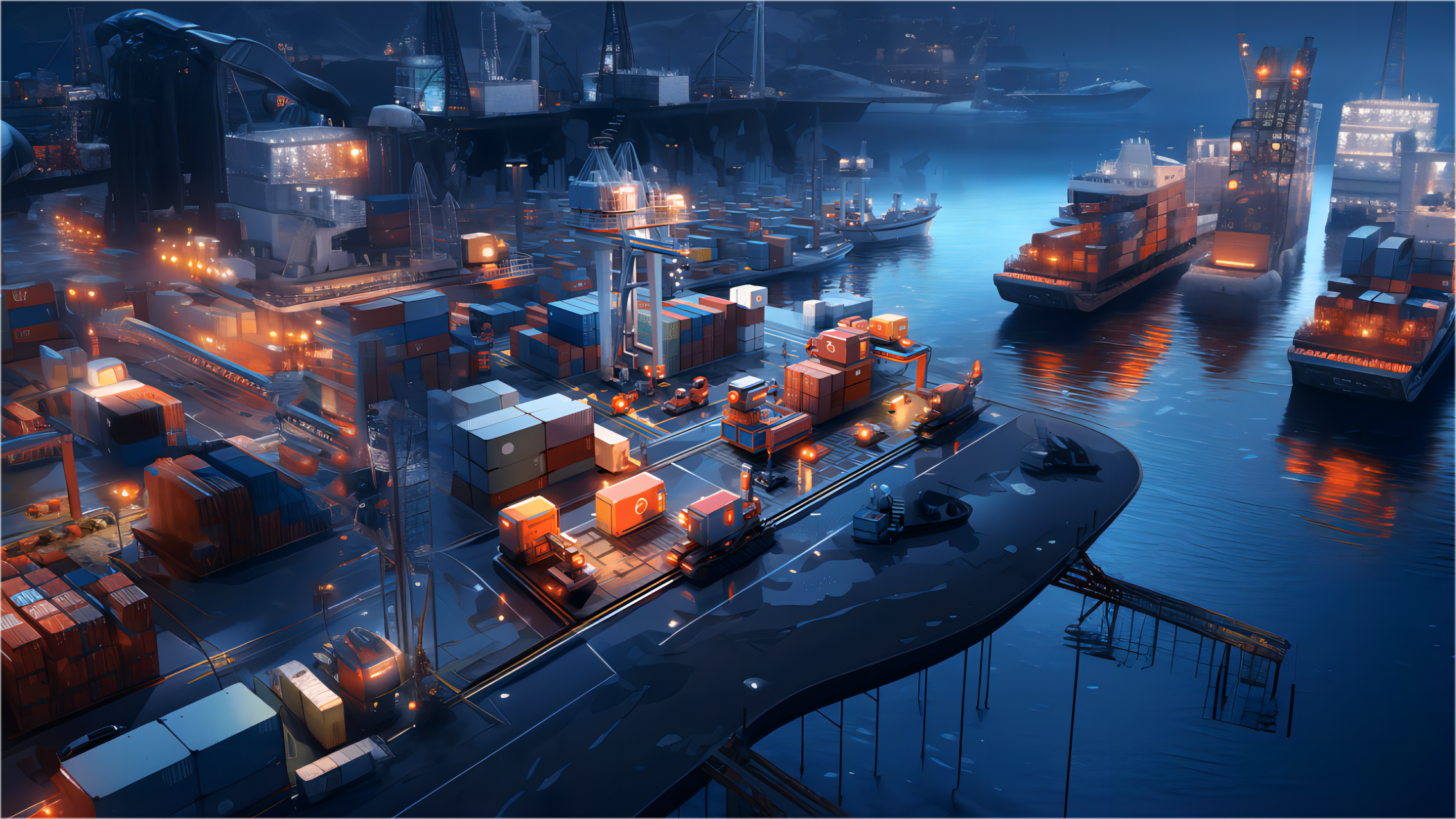
Why do you need a China freight forwarder for ecommerce express logistics?
Managing multiple suppliers across different Chinese provinces can become overwhelming without a centralized partner. Moreover, a specialized forwarder simplifies the complex process of consolidating small parcels into larger shipments. This approach significantly reduces the overhead costs associated with individual international mailings.
Furthermore, these logistics experts handle the intricate details of export documentation and local regulations. They act as a bridge between your manufacturing partners in China and your final customers worldwide. Therefore, you can focus on marketing and sales while the logistics professional manages the physical movement of goods.
Additionally, real-time tracking and inventory visibility are standard features in 2026. Without a doubt, having access to accurate data allows you to manage customer expectations effectively. Consequently, your brand reputation improves as delivery reliability becomes a core strength of your business operations.
How Does Express Logistics Compare to Other Shipping Options?
Evaluating different transportation modes is vital for balancing cost and delivery speed. While sea freight remains the most economical choice for bulk inventory, it often lacks the agility required for rapid ecommerce fulfillment. On the other hand, express logistics provides the fastest possible transit times for high-demand items.
Indeed, the choice often depends on the specific weight and volume of your cargo. For instance, small electronics or high-value fashion items benefit greatly from the security and speed of air freight services. Meanwhile, larger shipments might be better suited for slower, more cost-effective methods.
Market data from early 2026 suggests that hybrid models are gaining popularity among top-tier sellers. These strategies combine the reliability of traditional freight with the speed of local last-mile delivery networks. As a result, businesses can optimize their landed costs without sacrificing the customer experience.
| Shipping Method | Cost Range | Transit Time | Best For |
|---|---|---|---|
| Express Courier | $6 – $12 per kg | 3 – 5 Days | Small parcels, high value |
| Air Freight | $3 – $7 per kg | 5 – 10 Days | Medium shipments, urgent |
| Sea Freight LCL | $150 – $300 per CBM | 25 – 40 Days | Bulk inventory, low cost |
| Rail Freight | $1.5 – $3 per kg | 15 – 22 Days | Europe-bound heavy goods |

What are the best alternative strategies for ecommerce shipping?
Choosing the right path requires understanding the trade-offs between speed and expense. For example, using an express service is ideal for restocking popular items that have suddenly sold out. However, for routine stock replenishment, more economical alternatives should be considered to protect profit margins.
One popular alternative is the ‘Sea-Air’ hybrid solution. In this scenario, goods are moved by sea to a hub like Dubai or Singapore and then flown to the final destination. This method is approximately 30% faster than sea freight alone while being 40% cheaper than pure air freight.
Another effective strategy involves utilizing regional fulfillment centers. By shipping bulk quantities via sea freight to a local warehouse, you can then use local courier services for the final mile. Consequently, this reduces the per-unit shipping cost while maintaining 1-2 day delivery times for the end consumer.
Which shipping option should you choose for your business?
Deciding on a logistics strategy depends heavily on your specific business model and target market. If you are selling through Amazon FBA, you must adhere to strict delivery windows and labeling requirements. Therefore, a forwarder with specific experience in platform compliance is indispensable.
For startups with limited capital, prioritizing lower costs via sea freight might be necessary. Nevertheless, as your volume grows, the ability to offer faster shipping becomes a significant competitive advantage. For instance, many successful brands now offer tiered shipping options to their customers.
Cargo type also plays a major role in the decision-making process. Fragile or perishable items require specialized handling and faster transit to minimize the risk of damage. Accordingly, the investment in premium express logistics often pays for itself through reduced return rates and higher customer satisfaction.
What documents are required for customs clearance in 2026?
Navigating customs is often the most challenging part of international shipping. Without a doubt, incomplete documentation is the leading cause of delivery delays in 2026. Therefore, ensuring all paperwork is accurate and compliant with both Chinese and destination regulations is paramount.
Moreover, different countries have varying requirements for import duties and taxes. For example, the European Union’s VAT rules for ecommerce require precise reporting and digital documentation. Consequently, working with a forwarder who understands these nuances prevents unexpected costs and legal complications.
Standard documents usually include the Commercial Invoice, Packing List, and Bill of Lading. In addition, certain products may require specific certificates such as CE, FCC, or MSDS for batteries. As a result, proactive document preparation is the best way to ensure a smooth transit process.
| Document Name | Purpose | Required For | Provider |
|---|---|---|---|
| Commercial Invoice | Value declaration | All shipments | Supplier |
| Packing List | Content details | All shipments | Supplier |
| Certificate of Origin | Duty rate proof | Trade agreements | Chamber of Commerce |
| MSDS Report | Safety data | Battery/Chemicals | Manufacturer |

How do transit times vary by destination in 2026?
Global transit times have stabilized in early 2026, yet regional variations remain significant. For instance, shipping from Shenzhen to the US West Coast is generally faster than shipping to the East Coast. Consequently, your warehouse location should align with your primary customer base to optimize delivery speed.
Furthermore, seasonal peaks such as the Lunar New Year or the Q4 holiday rush can add 5-10 days to standard estimates. Therefore, planning your inventory cycles at least three months in advance is a wise strategy. Meanwhile, emerging markets in Southeast Asia and South America are seeing improved infrastructure and faster clearance times.
Typical rates as of early 2026 reflect a balanced market with moderate fuel surcharges. However, it is important to remember that freight rates are subject to change based on carrier capacity and global events. Visit our specialized service pages to get the most current data for your specific route.
| Destination | Express Transit | Air Freight | Sea Freight |
|---|---|---|---|
| USA (West Coast) | 3 – 4 Days | 6 – 8 Days | 14 – 18 Days |
| Europe (Main Ports) | 4 – 6 Days | 7 – 10 Days | 28 – 35 Days |
| Australia | 3 – 5 Days | 5 – 8 Days | 12 – 18 Days |
| United Kingdom | 4 – 6 Days | 7 – 11 Days | 30 – 38 Days |
Case Study 1: Electronics Distribution to Los Angeles
Route: Shenzhen, China to Los Angeles, USA. Cargo: Consumer Electronics, 2.5 CBM, 450 kg. Method: Air Freight. Carrier: Major Cargo Carrier. Port of Loading: Shenzhen (SZX). Port of Discharge: Los Angeles (LAX). Route Type: Direct.
Cost Breakdown: Ocean Freight: N/A. Air Freight: $2,850. Origin Charges: $210. Destination Charges: $185. Customs & Duties: $640. Total Landed Cost: $3,885. Timeline: Booking to Loading: 2 days. Air Transit: 1 day. Customs Clearance: 1 day. Total Door-to-Door: 5 days.
Key Insight: Using a direct air route saved the client 12 days compared to sea freight. Based on Q1 2026 market rates, this allowed the seller to capitalize on a viral product trend before competitors could restock. Note: Freight rates are subject to change based on fuel costs, carrier capacity, and seasonal demand. Contact us for a current quote tailored to your specific shipment.
Case Study 2: Apparel Logistics to Hamburg
Route: Ningbo, China to Hamburg, Germany. Cargo: Organic Cotton Apparel, 15 CBM. Method: Sea Freight LCL. Carrier: COSCO. Port of Loading: Ningbo-Zhoushan. Port of Discharge: Hamburg. Route Type: Direct.
Cost Breakdown: Ocean Freight: $2,100. Origin Charges: $320. Destination Charges: $450. Customs & Duties: $1,200. Total Landed Cost: $4,070. Timeline: Booking to Loading: 5 days. Sea Transit: 32 days. Customs Clearance: 3 days. Total Door-to-Door: 45 days.
Key Insight: For non-urgent seasonal stock, LCL sea freight provided a 75% cost saving compared to air freight. Typical rates as of early 2026 show that consolidated shipping remains the most sustainable choice for high-volume apparel brands. Note: Freight rates are subject to change based on fuel costs, carrier capacity, and seasonal demand. Contact us for a current quote tailored to your specific shipment.
How to reduce shipping costs with your freight forwarder?
Optimizing your packaging is one of the simplest ways to lower your logistics expenses. By reducing the volumetric weight of your boxes, you can often fit more units into a single shipment. Moreover, many door to door services offer consolidation options where multiple small orders are combined into one larger entry.
Additionally, negotiating long-term contracts with your forwarder can provide access to more stable pricing. While spot rates might be lower occasionally, a fixed contract protects your business from sudden price spikes during peak seasons. Furthermore, consider shipping during ‘off-peak’ windows when carrier capacity is higher and demand is lower.
Finally, leveraging technology for better demand forecasting helps prevent the need for expensive last-minute express shipping. Indeed, a well-planned supply chain is always more cost-effective than a reactive one. Consequently, regular communication with your freight partner ensures you are always using the most efficient route available.
Mastering Your Ecommerce Logistics Strategy
To summarize, finding the right china freight forwarder for ecommerce express logistics is a transformative step for any online business. By understanding the various shipping methods, from express courier to sea freight, you can build a flexible and resilient supply chain. Furthermore, staying informed about 2026 market trends and customs requirements ensures you avoid unnecessary delays.
Ultimately, the goal is to balance speed, cost, and reliability to provide the best possible experience for your customers. Whether you are shipping small parcels or bulk inventory, the right logistics partner will provide the expertise needed to navigate the complexities of global trade. Start optimizing your shipping strategy today to secure your competitive edge in the global marketplace.
Need a tailored shipping solution?
Streamline your global supply chain today by partnering with a trusted china freight forwarder for ecommerce express logistics. Our team provides tailored solutions to ensure your products reach your customers faster and more affordably than ever before. Contact us now to receive a personalized quote and take the first step toward hassle-free international shipping.