

China Ecommerce Logistics Solution International Shipping: 2026 Guide
Navigating the complexities of a china ecommerce logistics solution international shipping strategy requires a deep understanding of the current global market. As of early 2026, businesses must adapt to shifting carrier capacities and evolving trade regulations to maintain a competitive edge. China Freight Service provides the infrastructure and expertise necessary to streamline your entire supply chain from factory to doorstep. Consequently, choosing the right partner ensures that your goods move efficiently while minimizing overhead costs.
How Does Sea Freight Compare to Other Shipping Options?
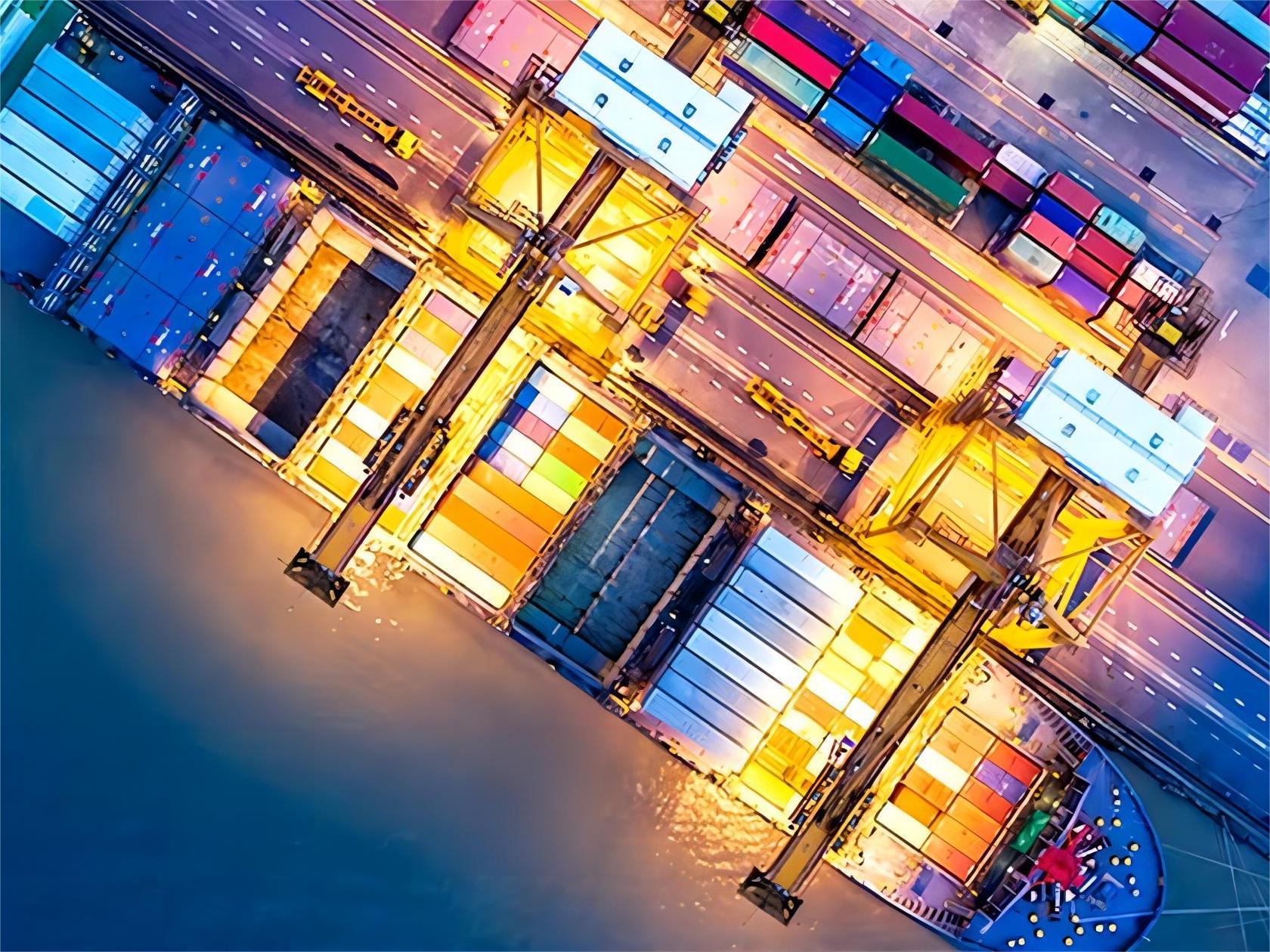
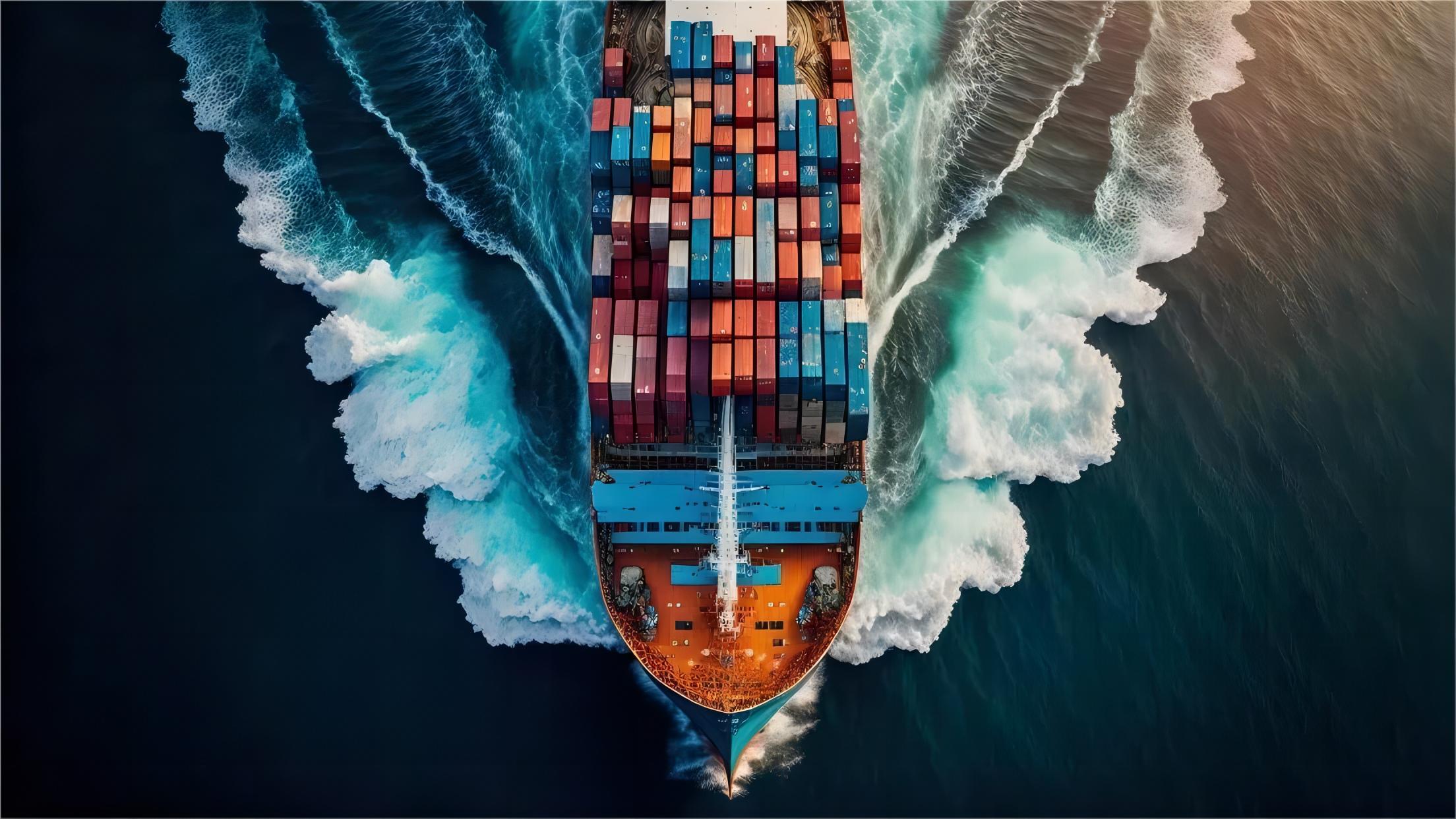
Evaluating a china ecommerce logistics solution international shipping plan involves comparing various transport modes based on speed and budget. Specifically, sea freight remains the backbone of global trade for high-volume shipments due to its unmatched cost-efficiency. Moreover, businesses moving large quantities of inventory often prioritize the lower price per unit offered by ocean transit.
In contrast, air freight provides significantly faster delivery times for time-sensitive ecommerce products. Therefore, companies must weigh the urgency of their inventory needs against the higher expense of air transport. Meanwhile, rail freight has emerged as a viable middle ground for shipments destined for Europe, offering a balance between cost and speed.
Additionally, the decision between FCL and LCL shipping plays a critical role in your logistics budget. For instance, if you have enough cargo to fill a 20GP container, FCL is generally more secure and cost-effective. However, LCL allows smaller ecommerce sellers to share container space, making it a flexible alternative for growing brands.
| Shipping Method | Cost Range | Transit Time | Best For |
|---|---|---|---|
| Sea Freight | $1,500 – $4,500 | 14 – 40 Days | Bulk Inventory |
| Air Freight | $5 – $12 per kg | 3 – 7 Days | High Value Goods |
| Rail Freight | $1,200 – $3,000 | 18 – 25 Days | Mid-sized Cargo |
| Express Service | $8 – $15 per kg | 2 – 5 Days | Urgent Samples |
What are the Alternative Strategies for International Shipping?
Developing a robust china ecommerce logistics solution international shipping framework requires exploring hybrid solutions. For example, sea-air combinations allow businesses to move cargo by sea to a hub like Dubai before flying it to the final destination. Consequently, this method reduces costs compared to pure air freight while saving time over pure sea freight.
Another effective strategy involves utilizing express service for initial product launches or urgent restocks. This approach ensures that you never run out of stock during peak sales periods while your main inventory travels via slower methods. Furthermore, regional warehousing can help mitigate the risks of long-haul transit delays.
Direct-to-consumer shipping from China warehouses has also gained popularity among ecommerce sellers. Instead of shipping bulk inventory to a local warehouse, orders are fulfilled individually and sent via international couriers. Without a doubt, this reduces domestic storage fees but requires a highly efficient logistics backend to manage thousands of small parcels.
Why is Customs Brokerage Essential for Ecommerce Success?
Navigating the legal requirements of different countries is often the most challenging part of any china ecommerce logistics solution international shipping process. Professional customs brokerage services ensure that all documentation is accurate and compliant with local laws. Indeed, even a small error in a commercial invoice can lead to significant delays and additional storage fees.
Furthermore, tax and duty calculations vary wildly between regions like North America and the European Union. As a result, having an expert manage your filings can prevent unexpected costs that eat into your profit margins. Additionally, stay informed about the latest de minimis thresholds to optimize your small-parcel shipping strategy.
Customs authorities in 2026 have increased their scrutiny on ecommerce shipments to ensure fair trade practices. Consequently, maintaining transparent records and proper HS code classification is more important than ever. Meanwhile, automated customs clearance tools are becoming standard for high-volume shippers to speed up the release of goods.
Which Option Should You Choose for Your Business?
Choosing the right china ecommerce logistics solution international shipping method depends on your specific business priorities. If your primary goal is budget optimization, sea freight is nearly always the best choice for bulk shipments. However, if you are shipping high-margin electronics or fashion items, the speed of air freight might justify the cost.
For those selling on platforms like Amazon, utilizing specialized Amazon FBA shipping services is highly recommended. These services are tailored to meet the strict labeling and delivery requirements of Amazon fulfillment centers. Moreover, they often include door-to-door handling, which simplifies the entire process for the seller.
Consider the volume of your shipments as well. For cargo under 15 CBM, LCL sea freight or rail freight often provides the best balance of cost and efficiency. On the other hand, once your volume exceeds 20 CBM, booking a full 20GP container becomes the more economical and secure alternative. Always obtain a current quote to account for the latest fuel surcharges and carrier rates.
Real-World Case Studies in International Logistics
Case Study 1: Large Scale Electronics Distribution. Route: Shenzhen, China to Los Angeles, USA. Cargo: Consumer Electronics, 28 CBM, 5,400 kg. Container: 40GP. Shipping Details: Major carrier via direct route. Port of Loading: Shenzhen. Port of Discharge: Los Angeles. Ocean Freight: $3,200. Origin Charges: $450. Destination Charges: $600. Customs and Duties: $1,200. Total Landed Cost: $5,450. Timeline: 18 days door-to-door. Key Insight: Direct routes saved 5 days compared to transshipment during the Q3 peak season of 2025.
Case Study 2: Apparel Restock via Rail. Route: Chengdu, China to Hamburg, Germany. Cargo: Winter Apparel, 12 CBM, 2,100 kg. Container: LCL. Shipping Details: Rail freight via Silk Road. Port of Loading: Chengdu Rail Terminal. Port of Discharge: Hamburg Terminal. Rail Freight: $1,850. Origin Charges: $300. Destination Charges: $400. Customs and Duties: $950. Total Landed Cost: $3,500. Timeline: 22 days terminal-to-terminal. Key Insight: Rail freight provided a 40% cost saving compared to air freight with a manageable transit time.
Case Study 3: Urgent Parcel Delivery. Route: Guangzhou, China to Sydney, Australia. Cargo: Product Samples, 0.5 CBM, 45 kg. Shipping Method: Express Service. Shipping Details: Door-to-door courier. Port of Loading: Guangzhou. Port of Discharge: Sydney. Total Cost: $480. Timeline: 4 days. Key Insight: Using express service allowed the client to approve samples and start bulk production two weeks earlier than expected.
Understanding Transit Times and Cost Drivers in 2026
Transit times for a china ecommerce logistics solution international shipping plan are influenced by several external factors. For instance, port congestion in major hubs can add several days to even the most efficient routes. Additionally, seasonal demand spikes during the holiday shopping season typically lead to longer wait times and higher freight rates.
Fuel prices also play a significant role in determining the final cost of your shipment. Consequently, many carriers apply a bunker adjustment factor (BAF) that fluctuates monthly based on global oil markets. To summarize, staying informed about these trends allows you to plan your inventory cycles more effectively and avoid peak-season surcharges.
Labor availability and equipment shortages can also impact the reliability of your delivery schedule. Therefore, it is wise to build a buffer of at least 7 to 10 days into your supply chain planning. Meanwhile, working with a freight forwarder who has strong carrier relationships can help you secure space even when capacity is tight.

Mastering Your Global Logistics Strategy
In conclusion, a successful china ecommerce logistics solution international shipping strategy requires a balance of speed, cost, and reliability. By understanding the differences between sea, air, and rail freight, you can make informed decisions that protect your margins. Moreover, leveraging alternative strategies like hybrid shipping or direct-to-consumer models provides the flexibility needed in a dynamic market.
As we move through 2026, staying ahead of customs regulations and market trends remains paramount for ecommerce growth. Consequently, partnering with an experienced logistics provider ensures that your shipments arrive on time and in compliance with international standards. Always prioritize transparency and communication with your shipping partners to ensure long-term success.

Need a tailored shipping solution?
Ready to optimize your global supply chain? Contact our expert team today to receive a customized china ecommerce logistics solution international shipping quote tailored to your business needs. Visit our website to start your inquiry.