


Recommended DDP Shipping Company Canada | 2026 Logistics Guide
Key Procurement Takeaways
- A standard 40HQ container provides approximately 68-76 CBM of usable space; target 65-70 CBM for safe palletized loading.
- A 20GP container supports roughly 26-28 CBM of cargo; exceeding this threshold often results in hazardous weight distribution.
- Air freight chargeable weight is calculated as the higher of actual weight or volumetric weight (L x W x H cm / 6000).
- DDP shipments to Canada require accurate HS code classification and CBSA filing at least 24-48 hours prior to vessel departure.
- Peak season surcharges can increase total landed costs by 15-25% during Q3 and Q4 capacity crunches.
When Should You Seek Professional Logistics Assistance?
You should seek professional assistance the moment your monthly volume exceeds 10 CBM or when your supply chain involves more than three distinct suppliers. Managing multi-vendor pickups requires centralized coordination to avoid excessive origin storage and document fragmentation.
Professional logistics partners provide the visibility needed to avoid common bottlenecks. By utilizing door-to-door services, you shift the burden of carrier selection and terminal management to experts.
Attempting to manage international freight in-house often leads to missed filing windows and unexpected storage fees at destination ports.
Which Freight and Fulfillment Options Should You Compare First?
Compare freight options based on the total landed cost rather than the ocean or air base rate alone. High-volume importers should prioritize dedicated sea freight to secure reliable space, while e-commerce sellers must prioritize speed through optimized fulfillment paths.
Evaluate whether your cargo requires specific handling, such as temperature control or hazardous material compliance. Many importers fail to account for the additional costs associated with specialized handling until the cargo is already in transit.
Always compare the price of DDP (Delivered Duty Paid) against DAP (Delivered at Place) to determine if your partner can effectively manage local taxes and duty payments.
| Service Mode | Cost Level | Transit | Best Suited For |
|---|---|---|---|
| FCL Sea | Low | 25-35 Days | Bulk / >15 CBM |
| LCL Sea | Moderate | 30-45 Days | <12 CBM |
| Air | High | 3-7 Days | Urgent / High-Value |
| Ocean + Inland Rail / Sea-Air Hybrid | 18-30 days | Cost-Effective | Inland or time-sensitive cargo |
How Do FCL, LCL, and Express Services Differ for Your Cargo?
FCL services offer the highest security and lowest per-unit cost for shipments filling a 20GP or 40HQ container. In contrast, LCL services provide a cost-effective solution for smaller volumes by consolidating multiple shippers’ cargo into a single container.
Express services provide the fastest transit times for small parcels or urgent documentation but carry significantly higher costs due to priority loading. For e-commerce, Amazon FBA services are specifically tailored to meet rigid warehouse intake requirements.
Choosing the right service depends on your inventory velocity and the perishability or time-sensitivity of your products.
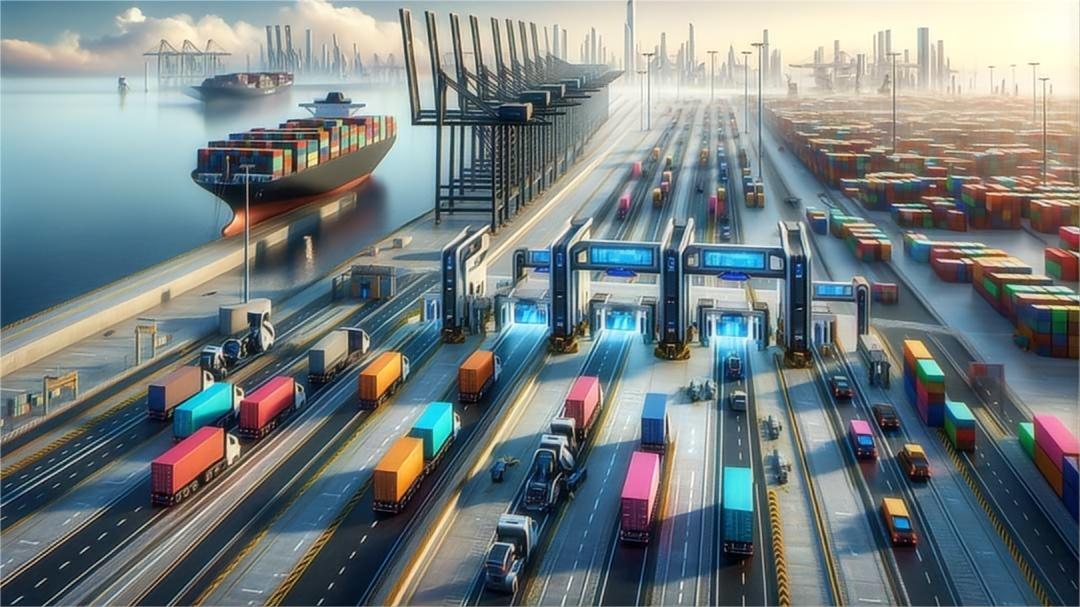
Illustrative Shipment Snapshots
Key metrics only — labeled illustrative scenarios for this corridor.
Electronics Retailer: 40HQ FCL Optimization
A Toronto-based retailer struggled with inconsistent arrival times for their consumer electronics. By switching to a dedicated DDP 40HQ service with pre-cleared customs, they reduced their average transit time by 8 days.
Apparel Distributor: LCL Consolidation
An apparel importer faced high LCL handling fees due to multiple small shipments arriving at different times. We implemented a consolidated LCL strategy, grouping their goods into a single weekly shipment.
What Timeline Should You Expect from Pickup to Final Delivery?
Standard ocean transit from major Chinese ports to Canada typically ranges from 22 to 35 days, with an additional 5-10 days for customs clearance and inland drayage. Air freight significantly reduces this timeline to under 7 days, including customs processing.
Factors such as port congestion, vessel blank sailings, and Canadian customs inspections can extend these timelines. It is essential to build a buffer into your supply chain planning, especially during peak seasons.
Always track your North America trade lane shipments by milestone rather than just the estimated arrival date.
| Route Leg | Mainhaul Transit | Customs & Dwell | Total Lead Time |
|---|---|---|---|
| Standard Ocean | 25 Days | 7 Days | 32 Days |
| Peak Ocean | 30 Days | 12 Days | 42 Days |
| Standard Air | 3 Days | 2 Days | 5 Days |
How Are Landed Costs and Service Fees Typically Structured?
Landed costs include the base freight rate, origin handling, ocean/air insurance, destination terminal handling charges (THC), and customs duties/taxes. A reputable DDP provider will bundle these into an all-in quote to prevent surprises.
Accessorial fees—such as fuel surcharges, peak season surcharges, and chassis fees—often fluctuate based on market conditions. It is critical to request an itemized breakdown of these fees to ensure transparency.
By utilizing customs brokerage services, you can ensure accurate duty classification, which prevents costly overpayments or regulatory penalties.
Which Documents and Compliance Checks Are Required?
Mandatory documentation includes the Commercial Invoice, Packing List, and the transport document, which is the Bill of Lading for ocean freight or Air Waybill (AWB) for air shipments. These must clearly state the value, origin, and nature of the goods to satisfy CBSA requirements.
Compliance checks are vital for preventing border delays. Ensure your importer of record (IOR) information is up to date and that all HS codes are verified to prevent re-classification penalties during inspection.
Always verify that your shipping documents are finalized before the cargo leaves the origin port.
How Do Peak Seasons and Capacity Changes Affect Your Plan?
Peak seasons, typically spanning from August to November, cause significant capacity constraints and upward pressure on freight rates. During these times, securing space requires booking at least 3-4 weeks in advance.
Capacity disruptions, such as vessel blank sailings or airport labor strikes, can ripple through the supply chain. Maintaining a flexible logistics plan with an experienced forwarding partner is the best defense against these fluctuations.
Avoid the common pitfall of waiting until the last minute to book during these volatile windows.
What Is the Step-by-Step Process from First Quote to Delivery?
Choose FCL when your shipment volume is consistently above 15 CBM, as the unit cost efficiency is unmatched. LCL is the optimal transition for volumes between 2 and 15 CBM, providing a balance between cost and logistics overhead.
Air freight is reserved for inventory crises, product launches, or high-margin goods where the cost of stock-outs exceeds the high logistics spend. It is not recommended for bulk inventory replenishment due to the sheer cost differential.
Analyze your inventory turnover rates to determine the appropriate threshold for switching between these modes.
Decision Framework
Under 2 CBM often fits DDP air/express; 2–15 CBM favors DDP LCL with seller-side clearance; 15+ CBM may warrant DDP FCL when duty-paid door delivery is required.
Urgent door delivery under 7 days may require DDP air; standard replenishment runs on 25–40 day DDP ocean with tax/duty prepaid before last-mile.
High-duty HS chapters and regulated goods need IOR-ready commercial invoices; standard carton cargo still requires accurate declared value for duty calculation.
DDP Execution Plan: Duty-Paid Door Delivery in 2026
Reliable Recommended DDP Shipping Company Canada hinges on IOR clarity, declared-value accuracy, and prepaid duty settlement on Recommended DDP Shipping Canada.
Treat customs liability and last-mile delivery as one locked workflow—not separate afterthoughts.
Standard Operating Logistics Workflow
Origin Consolidation & Cargo Intake
Collect multi-supplier lots, verify packing lists, and stage cargo for export under DDP scope.
Export Customs Declaration
File China export declaration with commercial invoice, packing list, and HS codes aligned to declared value.
Mainhaul Transit (Air/Ocean)
Move freight on booked air or ocean service with DDP liabilities retained by seller/forwarder.
Destination Duty-Paid Clearance
Act as or appoint IOR, pay duties/taxes, and secure customs release before last-mile dispatch.
Bonded Hand-off & Tax Settlement
Reconcile duty receipts, release holds, and confirm tax settlement against the commercial invoice.
Final-Mile Door Delivery
Deliver duty-paid cargo to the consignee door and close the DDP shipment file.
Need an all-inclusive DDP quote? Share commercial invoice value, HS codes, gross weight, CBM, and destination zip/Tax ID for a duty-paid door proposal.
Talk to a specialist →