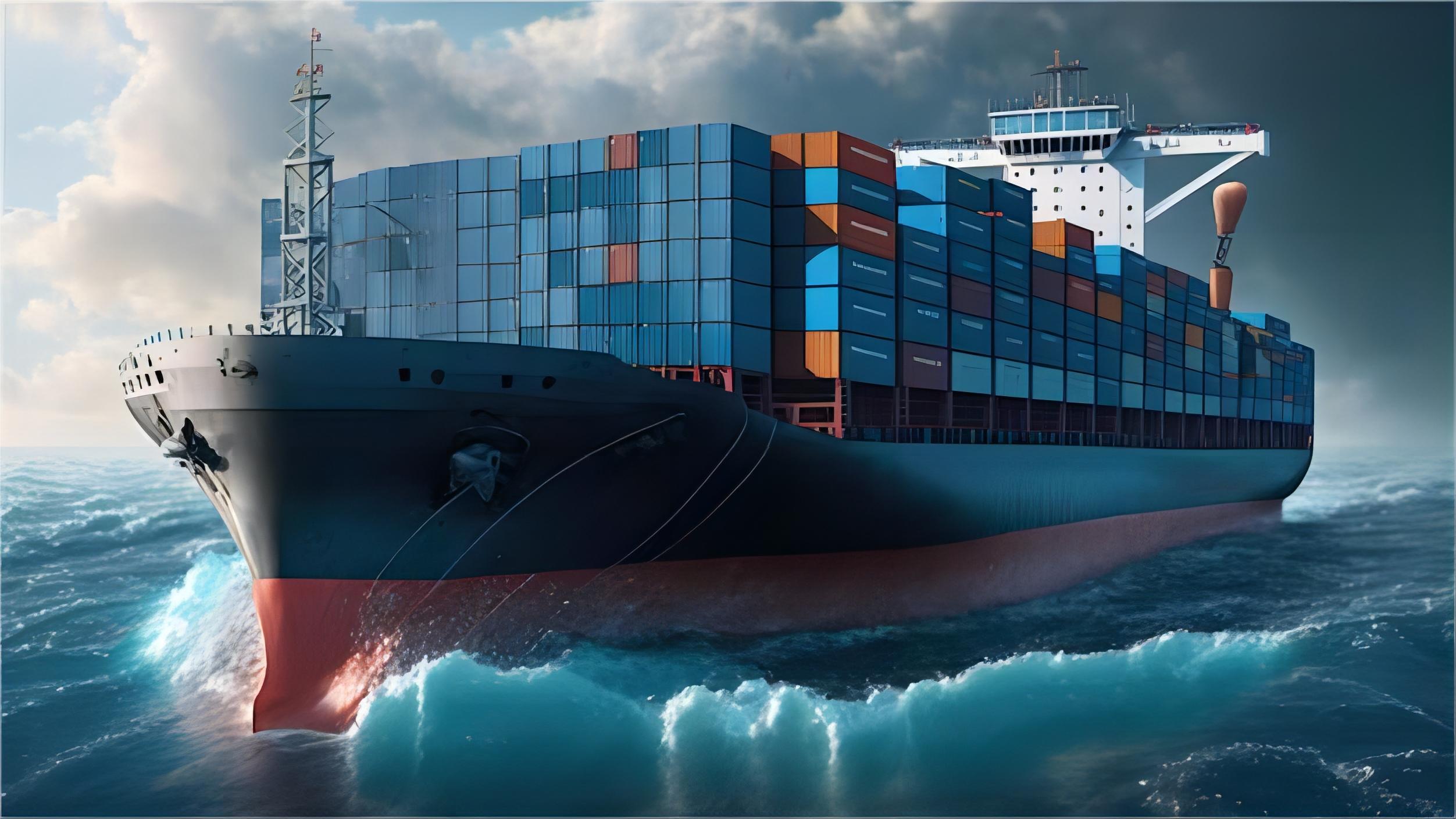

Freight Forwarding Services China Mexico: Complete 2025 Guide
Navigating the complexities of international trade requires a partner like China Freight Service to ensure your goods arrive safely and on time. Many businesses looking for professional freight forwarding services china mexico struggle with fluctuating shipping costs and complex customs regulations. Consequently, we provide tailored logistics solutions that simplify the entire import process from major Chinese manufacturing hubs to Mexican ports.

How do freight forwarding services china mexico optimize your shipping?
Professional freight forwarders act as the essential bridge between manufacturers in China and distributors in Mexico. They manage the intricate details of logistics, including documentation, carrier selection, and cargo insurance. Furthermore, these experts understand the specific maritime routes that offer the best balance of speed and cost.
Choosing the right partner allows you to focus on your core business operations while they handle the heavy lifting. Most experienced forwarders utilize advanced tracking systems to provide real-time updates on your shipment status. Consequently, you can maintain better inventory control and meet your delivery schedules with high precision.
Effective logistics management involves more than just moving boxes from one point to another. It requires a deep understanding of international trade laws and local Mexican import requirements. Therefore, working with a specialist ensures that your cargo avoids unnecessary delays at the border.
Additionally, freight forwarding services china mexico offer consolidated shipping options for smaller businesses. This approach allows multiple shippers to share container space, which significantly reduces individual transport expenses. Indeed, this flexibility is vital for companies looking to scale their operations without incurring massive overheads.
How Does Sea Freight Compare to Other Shipping Options?
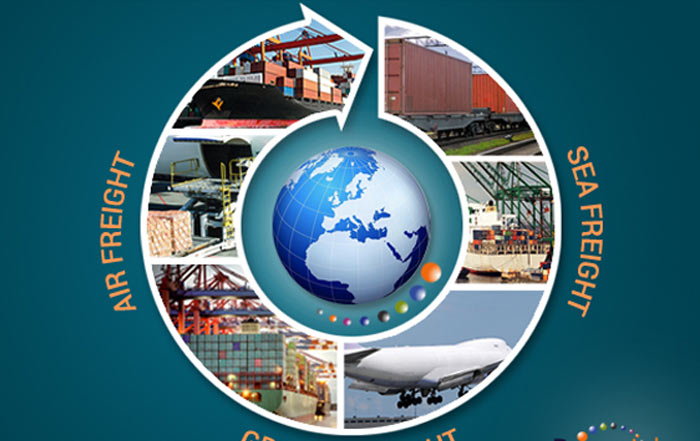
When evaluating transportation methods, sea freight remains the most popular choice for high-volume shipments. It offers the lowest cost per unit, making it ideal for bulky items or large inventory restocks. However, the longer transit time requires careful planning to avoid stockouts.
In contrast, air freight provides unparalleled speed for urgent deliveries or high-value electronics. While the costs are significantly higher, the reduced transit time can be a competitive advantage in fast-moving markets. Nevertheless, most businesses find that a balanced approach using both methods works best for their supply chain.
Moreover, the environmental impact of ocean transport is considerably lower than that of air transport. This factor is becoming increasingly important for companies committed to sustainable business practices. Consequently, sea freight is often the preferred long-term strategy for environmentally conscious brands.
Specifically, for shipments under 15 CBM, LCL at 50-80 dollars per CBM might be more economical than booking a full container. On the other hand, direct routes cost 10-15 percent more but save approximately 5-7 days compared to transshipment via intermediate ports.
| Shipping Method | Cost Range | Transit Time | Best For |
|---|---|---|---|
| Sea Freight (FCL) | $2,500 – $4,500 | 25-35 Days | Bulk Goods |
| Sea Freight (LCL) | $50 – $120/CBM | 30-40 Days | Small Volumes |
| Air Freight | $5.00 – $9.00/kg | 3-7 Days | Urgent Cargo |
| Express Courier | $10.00+/kg | 2-5 Days | Samples |
Which Option Should You Choose for China-Mexico Logistics?
Selecting the optimal shipping method depends on several critical factors including budget, cargo type, and urgency. If your primary goal is to minimize expenditure, ocean transport is the clear winner for large volumes. Furthermore, this method accommodates hazardous materials and oversized machinery that air carriers often restrict.
If you prioritize speed, air cargo is the only viable solution for meeting tight deadlines. Businesses dealing with perishable goods or seasonal fashion trends often rely on this method to stay ahead of the competition. Consequently, the higher price tag is justified by the speed to market.
Hybrid solutions like sea-air combinations are also gaining popularity in 2025. These services involve shipping goods by sea to a hub and then flying them to the final destination in Mexico. As a result, you get a faster delivery than pure sea freight at a lower cost than pure air freight.
Ultimately, your choice should align with your specific volume thresholds and profit margins. For instance, once a shipment exceeds 15-20 CBM, switching from LCL to a 20GP container often results in better security and lower costs. Indeed, analyzing these thresholds is a key part of logistics strategy.
Why choose air freight for urgent shipments to Mexico?
Utilizing air freight is the most effective way to handle emergency supply chain disruptions. When a factory line in Mexico stops due to a missing component, flying that part from China is the only solution. Consequently, the speed of air transport protects your production schedules from costly downtime.
Furthermore, air cargo offers enhanced security for high-value items like smartphones or specialized medical equipment. Airport handling procedures are much more stringent than those at seaports, which reduces the risk of theft or damage. Therefore, many premium brands prefer this method despite the increased logistics rates.
Moreover, the transit time from major Chinese airports to Mexico City or Guadalajara is typically less than a week. This includes the time needed for export formalities in China and import clearance in Mexico. Specifically, direct flights from hubs like Shanghai or Hong Kong offer the most reliable delivery windows.
Additionally, air transport requires less heavy packaging compared to ocean freight. This reduction in packing materials can slightly offset the higher shipping costs by lowering the gross weight. Meanwhile, the shorter time in transit means you can maintain lower safety stock levels in your warehouse.
How does customs brokerage facilitate smooth entry into Mexico?
Navigating Mexican customs requires a professional customs brokerage service to avoid expensive fines and delays. The Mexican Tax Administration Service (SAT) has strict requirements for documentation and product labeling. Consequently, any error in your commercial invoice or packing list can lead to cargo seizures.
Furthermore, a qualified broker ensures that your goods are classified under the correct HS codes. This classification determines the duties and taxes you must pay upon entry. Indeed, improper classification is one of the most common causes of customs disputes in international trade.
Additionally, brokers stay updated on the latest trade agreements between China and Mexico. They can advise you on potential duty exemptions or preferential tax treatments that might apply to your specific products. As a result, you can significantly reduce your landed cost by leveraging legal tax incentives.
Moreover, having a local expert in Mexico helps bridge the language and cultural gap during the clearance process. They can communicate directly with customs officials to resolve any issues that arise during inspection. Therefore, investing in brokerage services is a vital part of a successful import strategy.
What are the key shipping routes and ports for this lane?
Most ocean shipments from China to Mexico depart from major eastern ports such as Shanghai, Ningbo, and Shenzhen. These ports offer the highest frequency of sailings and the most competitive freight rates. Furthermore, they feature world-class infrastructure that ensures efficient cargo handling and loading.
On the Mexican side, the Port of Manzanillo is the primary gateway for Asian imports due to its strategic location on the Pacific coast. It handles the majority of containerized cargo destined for Central Mexico and the capital. Consequently, congestion can occasionally occur during peak seasons like the lead-up to the holidays.
Lazaro Cardenas is another critical port that serves as an alternative to Manzanillo. It offers modern facilities and direct rail links to major industrial hubs, making it an excellent choice for heavy machinery. Specifically, using this port can sometimes save time if Manzanillo is experiencing high traffic volumes.
Meanwhile, air shipments typically arrive at Mexico City International Airport (AICM) or Guadalajara International Airport. These airports are equipped with specialized cold chain facilities and secure bonded warehouses. Indeed, choosing the right entry point is just as important as choosing the right departure port.
Why is door to door delivery the most convenient choice?
Opting for door to door service eliminates the stress of managing multiple logistics providers. This comprehensive solution covers everything from the initial pickup at the Chinese factory to the final delivery at your Mexican warehouse. Consequently, you have a single point of contact for the entire journey.
Furthermore, this service model simplifies the billing process by providing a single all-inclusive quote. You don’t have to worry about hidden port fees or unexpected trucking charges at the destination. Therefore, it is much easier to calculate your final product margins and set your retail prices accurately.
Additionally, door-to-door providers handle all the necessary transshipment and inland transport. Whether your cargo needs to travel by truck or rail within Mexico, the forwarder manages the scheduling. As a result, the risk of communication breakdowns between different carriers is virtually eliminated.
Moreover, this approach provides better end-to-end visibility for your supply chain. Most modern logistics companies offer integrated platforms where you can track your shipment across every milestone. Indeed, this level of transparency is essential for modern business operations.
How to manage shipping to North America and Mexico effectively?
Expanding your trade reach across North America requires a strategic understanding of regional logistics hubs. Mexico serves as a vital entry point for companies looking to distribute goods throughout the continent. Furthermore, the USMCA trade agreement has created new opportunities for cross-border commerce.
Successful importers often use Mexico as a manufacturing or assembly base before shipping finished products north. This strategy allows businesses to benefit from lower labor costs while maintaining proximity to the massive US market. Consequently, efficient freight forwarding services china mexico are the foundation of this regional model.
Additionally, you must consider the seasonal variations in freight rates across the North American region. Prices typically spike during the third quarter as retailers prepare for the year-end shopping season. Therefore, booking your shipments at least 4-6 weeks in advance is highly recommended during these periods.
Moreover, diversifying your shipping routes can help mitigate the risks of port strikes or weather-related disruptions. For instance, if Pacific ports are congested, some shippers choose to route cargo through the Panama Canal to Gulf ports. Indeed, flexibility is key to maintaining a resilient supply chain in 2025.
Real-World Case Studies for China-Mexico Logistics
Case Study 1: High-Tech Electronics from Shenzhen to Manzanillo Route: Shenzhen, China to Manzanillo, Mexico Cargo: Consumer Electronics, 68 CBM, 12,500 kg Container: 1 x 40HQ Shipping Details: – Carrier: COSCO Shipping – Port of Loading: Shenzhen (Yantian) – Port of Discharge: Manzanillo – Route Type: Direct Cost Breakdown: – Ocean Freight: $3,850 – Origin Charges: $420 – Destination Charges: $550 – Customs & Duties: $4,200 – Total Landed Cost: $9,020 Timeline: – Booking to Loading: 4 days – Sea Transit: 24 days – Customs Clearance: 3 days – Total Door-to-Door: 31 days Key Insight: Using a direct route from Shenzhen saved 6 days compared to transshipment options, ensuring the client met their product launch date.
Case Study 2: Industrial Textiles from Ningbo to Mexico City Route: Ningbo, China to Mexico City via Manzanillo Cargo: Synthetic Fabric Rolls, 12 CBM, 4,200 kg Container: LCL (Less than Container Load) Shipping Details: – Carrier: Major LCL Consolidator – Port of Loading: Ningbo – Port of Discharge: Manzanillo – Route Type: Transshipment via Busan Cost Breakdown: – Ocean Freight: $960 ($80/CBM) – Origin Charges: $210 – Destination Charges: $380 – Customs & Duties: $1,150 – Total Landed Cost: $2,700 Timeline: – Booking to Loading: 5 days – Sea Transit: 34 days – Customs Clearance: 4 days – Total Door-to-Door: 43 days Key Insight: LCL was 40 percent cheaper than a 20GP container for this volume, despite the slightly longer transit time due to transshipment.
Note: Freight rates are subject to change based on fuel costs, carrier capacity, and seasonal demand. Contact us for a current quote tailored to your specific shipment.
How to reduce your overall shipping costs?
Reducing your logistics expenses requires a combination of smart planning and negotiation. One of the most effective strategies is to optimize your packaging to fit as much product as possible into each container. Furthermore, reducing the dead space in your boxes directly lowers your cost per unit.
Additionally, consolidating multiple small orders from different suppliers into a single FCL shipment can save thousands of dollars. Many freight forwarding services china mexico offer warehouse space where they can hold your goods until you have enough for a full container. Consequently, you avoid the higher rates associated with LCL shipping.
Moreover, try to avoid shipping during peak seasons when carriers impose high surcharges. If your inventory levels allow, schedule your major restocks during the quieter months of February or March. Therefore, you can take advantage of lower demand and negotiate better rates with your forwarder.
Finally, always request multiple quotes and compare the breakdown of charges. Some forwarders might offer a low ocean freight rate but compensate with high destination fees. Indeed, understanding the total landed cost is the only way to make an informed financial decision.
Mastering Your Logistics from China to Mexico
Successfully managing imports involves choosing the right freight forwarding services china mexico to handle the complexities of global trade. By understanding the differences between sea and air freight, you can make strategic decisions that balance cost and speed. Furthermore, partnering with experts for customs clearance ensures your goods move through the border without unnecessary friction.
As market conditions evolve in 2025, maintaining a flexible and data-driven logistics strategy is more important than ever. Whether you are shipping full containers or small LCL batches, the right partner will provide the visibility and reliability you need. Ultimately, a well-optimized supply chain is a powerful tool for business growth in the competitive Mexican market.
Ready to streamline your logistics?
Streamline your international trade today with the most reliable freight forwarding services china mexico. Contact our expert team at China Freight Service to receive a customized quote and optimize your supply chain for 2025. Visit our website to start your inquiry now.
Request Quote