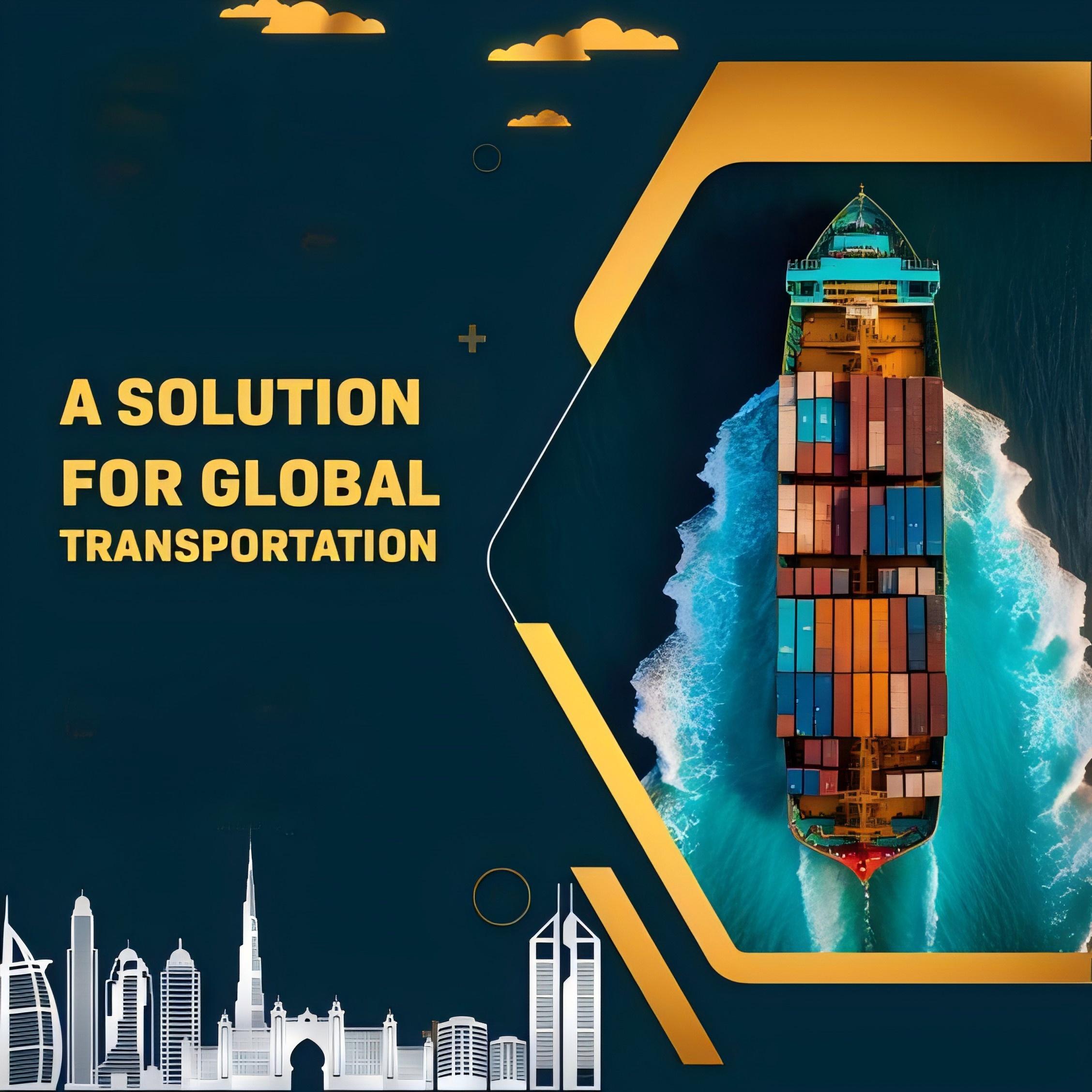

Shipping from China with Tracking Italy: The Comprehensive 2025 Guide
Managing your supply chain effectively requires a reliable strategy for shipping from China with tracking Italy to ensure transparency and timely delivery. Businesses often face challenges with customs delays or opaque logistics, which is why partnering with an expert like China Freight Service is essential for success. This guide provides a detailed analysis of transport methods, real-time tracking solutions, and cost-saving strategies for the Italian market.

Why Real-Time Tracking is Vital for Italy Shipments
Visibility is the cornerstone of modern international trade, especially when importing goods into the competitive Italian market. Furthermore, having access to shipping from China with tracking Italy allows importers to predict stock arrivals and manage customer expectations accurately. Consequently, you can reduce the risk of lost cargo and address potential delays before they impact your bottom line.
Most modern carriers provide digital platforms where you can enter a bill of lading or container number to see your cargo’s position. In addition, advanced logistics providers offer automated alerts that notify you when goods pass through major milestones like customs clearance or port departure. Therefore, investing in tracked services is not just a luxury but a fundamental necessity for maintaining a smooth supply chain.
Primary Transport Methods for Shipping from China with Tracking Italy
Choosing the right mode of transport depends heavily on your budget, cargo volume, and required speed. For instance, sea freight remains the most popular choice for large-scale shipments due to its cost-effectiveness over long distances. Meanwhile, smaller, high-value items are better suited for other methods that prioritize speed over volume.
Moreover, the development of the Belt and Road Initiative has improved rail options connecting Chinese hubs to European terminals. However, each method has specific documentation requirements and tracking capabilities that you must understand. Accordingly, we have prepared a comparison to help you evaluate the best fit for your specific business needs.
| Method | Cost Level | Transit Time | Tracking Detail |
|---|---|---|---|
| Express | Highest | 3-5 Days | Real-time/Door-to-door |
| Air Freight | High | 5-10 Days | Flight-based updates |
| Rail Freight | Medium | 18-25 Days | Station-to-station |
| Sea Freight | Lowest | 30-45 Days | Vessel/Port updates |
How Does Sea Freight Compare to Other Shipping Options?
When evaluating shipping from China with tracking Italy, sea freight is often the baseline for comparison because of its massive capacity. While sea freight costs approximately 2,000 to 4,000 USD for a 40HQ container, air freight for the same volume would be prohibitively expensive. Nevertheless, the transit time of 35 days can be a drawback for companies with tight inventory cycles.
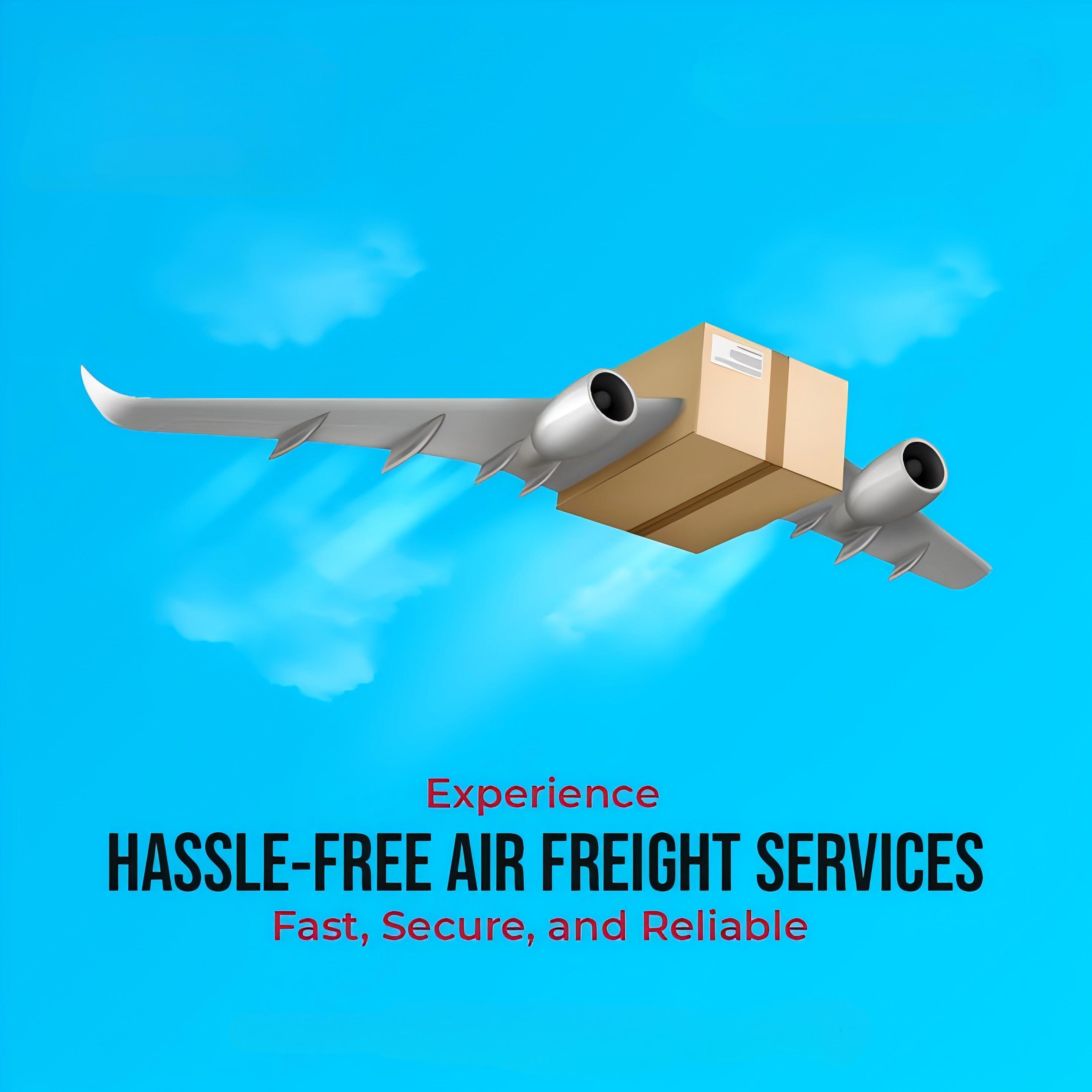
In contrast, air freight provides a significant speed advantage but at a much higher price point per kilogram. For shipments under 100 kilograms, an express service is often the most efficient choice as it includes end-to-end tracking and customs handling. Without a doubt, the choice between sea, air, and rail involves a trade-off between cost and urgency.
| Shipping Method | Cost Range | Transit Time | Best For |
|---|---|---|---|
| FCL Sea | 2,000-4,200 USD | 30-40 Days | Full containers |
| LCL Sea | 80-150 USD/CBM | 35-45 Days | Partial loads |
| Air Freight | 5-9 USD/kg | 5-8 Days | High-value goods |
| Rail Freight | 1,800-2,800 USD | 20-25 Days | Mid-range urgency |
Which Option Should You Choose?
To determine the best path, you should first identify your primary priority: is it speed, cost, or reliability? If you have a budget priority, we recommend utilizing sea freight for any shipment over 2 cubic meters. On the other hand, if speed is your priority for a product launch, air freight is the only viable solution.
Cargo type also plays a significant role in this decision-making process. For example, hazardous materials or oversized machinery might be restricted to specific sea routes or specialized rail cars. Furthermore, volume thresholds suggest that once you exceed 15 CBM, switching from LCL to FCL becomes more economical. Always consider a door to door service to simplify the entire logistics chain.
Customs Duties and Documentation for Italy
Navigating Italian customs requires precision and a thorough understanding of EU regulations. Indeed, missing or incorrect paperwork is the leading cause of delays for shipping from China with tracking Italy. You must ensure that your commercial invoice, packing list, and bill of lading are perfectly aligned with the goods being shipped.
Additionally, hiring a professional customs brokerage can save you from costly fines and storage fees at the port. Italy applies a standard VAT rate and specific duties based on the HS code of your products. Therefore, calculating these costs in advance is vital for determining your final landed cost.
| Document | Required For | Purpose | Issuer |
|---|---|---|---|
| Commercial Invoice | All Shipments | Value declaration | Seller |
| Packing List | All Shipments | Content details | Seller |
| Bill of Lading | Sea/Rail | Title to goods | Carrier |
| Certificate of Origin | Specific Goods | Duty calculation | Chamber of Commerce |

Realistic Case Studies for Italy Logistics
Case Study 1: Fashion Apparel to Milan. Route: Shenzhen to Milan via Air Freight. Cargo: 500kg of designer clothing. Cost: 3,200 USD. Transit Time: 6 days. Key Insight: Using air freight allowed the client to meet a seasonal launch deadline that sea freight would have missed by weeks.
Case Study 2: Industrial Machinery to Genoa. Route: Shanghai to Genoa via FCL Sea Freight. Cargo: 20GP container of CNC parts. Cost: 2,450 USD. Transit Time: 34 days. Key Insight: Booking 3 weeks in advance secured a lower rate during the Q3 peak season. Market data suggests rates were 15 percent higher for last-minute bookings.
Case Study 3: E-commerce Electronics to Rome. Route: Ningbo to Rome via Express Service. Cargo: 50kg of smart home devices. Cost: 480 USD. Transit Time: 4 days. Key Insight: Full door-to-door tracking provided peace of mind for high-value consumer electronics. Note: Freight rates are subject to change based on fuel costs, carrier capacity, and seasonal demand. Contact us for a current quote tailored to your specific shipment.
Cost-Saving Strategies and Alternative Approaches
Reducing your logistics expenses requires a proactive approach to planning and consolidation. For instance, consolidating multiple small orders into a single LCL shipment can significantly lower your per-unit cost. Additionally, choosing off-peak shipping windows, such as the period immediately following Chinese New Year, can lead to substantial savings.
Moreover, consider hybrid solutions like sea-air combinations if you need a balance between speed and cost. For example, shipping by sea to a hub like Dubai and then by air to Italy can save 30 percent compared to pure air freight. Nevertheless, you must weigh these savings against the increased complexity of tracking across two different modes of transport.
Final Thoughts on Italy-China Logistics
In conclusion, successful shipping from China with tracking Italy depends on selecting the right partner and the most appropriate transport mode for your goods. By understanding the nuances of sea, air, and rail freight, you can optimize your supply chain for both cost and speed. Furthermore, staying informed about customs requirements and market trends will help you avoid common pitfalls.
As market conditions evolve in 2025, maintaining flexibility in your logistics strategy remains paramount. Whether you prioritize the speed of air freight or the economy of sea freight, ensure that real-time tracking is always part of your service package. This transparency is the key to building a resilient and profitable import business in Italy.
Ready to streamline your logistics?
Ready to streamline your imports? Contact us today to secure the best rates for shipping from China with tracking Italy and ensure your cargo arrives safely. Visit our website to request a custom quote or speak with a logistics expert about your specific needs.
Request Quote