

Door to Door Shipping China Bulk Cargo: The Complete 2025 Logistics Guide
Managing international logistics requires a strategic approach to ensure efficiency and cost-effectiveness. When businesses handle door to door shipping china bulk cargo, they often face complex challenges ranging from port congestion to customs regulations. China Freight Service provides comprehensive solutions designed to streamline your supply chain and reduce overhead costs. This guide explores everything you need to know about moving large volumes of goods from Chinese factories directly to your warehouse.

What is Door to Door Shipping China Bulk Cargo?
Bulk cargo refers to commodities that are transported unpackaged in large quantities, such as grain, coal, or large industrial components. Unlike standard parcel delivery, door to door shipping china bulk cargo involves specialized handling and heavy-duty transport equipment.
Consequently, this service covers the entire journey from the supplier’s location in China to the final destination’s doorstep. This end-to-end solution simplifies the process for importers by consolidating multiple logistics steps into one single contract.
Furthermore, utilizing a professional freight forwarder ensures that every stage, including inland trucking and ocean transit, is managed by experts. This approach significantly reduces the risk of damage or delays during the transition between different transport modes.
How Does Bulk Cargo Shipping Compare to Other Options?
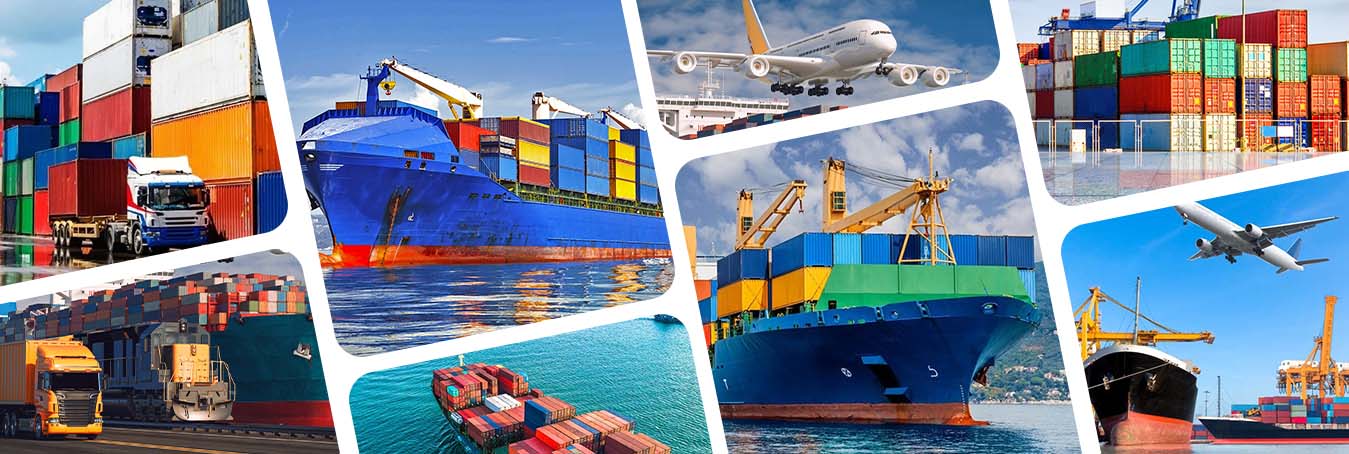
Choosing the right transport method depends heavily on your budget and required delivery speed. While sea freight remains the most popular choice for bulk items, rail and air options serve specific market needs.
Specifically, sea freight offers the lowest cost per unit for high-volume shipments but requires the longest transit times. Conversely, air freight provides rapid delivery for urgent cargo at a significantly higher price point.
Moreover, rail freight has emerged as a middle-ground solution for shipments moving from China to Europe. It offers faster transit than the sea and lower costs than air, making it ideal for certain industrial bulk goods.
| Shipping Method | Cost Range | Transit Time | Best For |
|---|---|---|---|
| Sea Freight | $1,500 – $4,500 | 20-45 Days | Large volumes, non-urgent |
| Rail Freight | $2,500 – $6,000 | 15-22 Days | China to Europe land routes |
| Air Freight | $5,000 – $15,000+ | 3-7 Days | High-value, urgent cargo |
| Express Service | Highest | 2-5 Days | Small samples or documents |
Why Choose Door to Door Shipping for Bulk Shipments?
The primary advantage of this service is the elimination of logistical complexity for the buyer. By opting for door to door solutions, you avoid the hassle of coordinating between separate trucking companies and warehouse providers.
Additionally, this model provides better visibility into the shipping process through centralized tracking and communication. You receive updates from a single point of contact rather than chasing multiple vendors across different time zones.
Ultimately, this integration leads to more predictable delivery schedules and lower overall costs. Professional logistics providers can negotiate better rates with carriers due to their high shipping volumes.
Key Factors Influencing Bulk Cargo Shipping Costs
Market conditions in 2025 continue to fluctuate based on global fuel prices and carrier capacity. Understanding these variables helps businesses better estimate their total landed cost when importing from China.
Notably, seasonal demand plays a massive role in pricing, with rates typically spiking during the pre-Lunar New Year period. Planning your shipments several months in advance can help you secure more favorable rates and avoid peak season surcharges.
Furthermore, the type of cargo and its handling requirements will impact the final invoice. Specialized items that require temperature control or oversized equipment will naturally incur higher fees than standard dry bulk.
| Route | 20GP Container | 40HQ Container | Typical Transit |
|---|---|---|---|
| China to USA West | $1,600 – $2,300 | $2,900 – $3,900 | 14-18 Days |
| China to Europe | $1,900 – $2,600 | $3,100 – $4,300 | 28-35 Days |
| China to Australia | $900 – $1,300 | $1,500 – $2,100 | 12-18 Days |
| China to UK | $2,100 – $2,900 | $3,600 – $4,600 | 30-38 Days |
Which Option Should You Choose for Your Bulk Cargo?
Deciding between sea freight and other modes requires a clear understanding of your supply chain priorities. If your primary goal is cost reduction, sea freight is almost always the superior choice for bulk commodities.
However, if you are facing tight production deadlines or inventory shortages, rail freight offers a reliable alternative for transcontinental routes. It provides a significant speed advantage without the extreme expense of air transport.
Consequently, many businesses are now adopting hybrid strategies to balance cost and speed. You might ship the majority of your bulk cargo by sea while sending a small portion via air freight to keep production lines running.
Understanding the Customs Brokerage Process
Navigating international trade laws is one of the most difficult aspects of door to door shipping china bulk cargo. Every shipment must clear customs at both the origin and the destination to avoid legal complications.
Therefore, hiring a professional customs brokerage service is essential for ensuring all documentation is accurate. This includes the Bill of Lading, Commercial Invoice, and Packing List, which must comply with local regulations.
Inaccurate paperwork can lead to expensive storage fees at the port or even the seizure of goods. Experienced brokers understand the specific tariff codes for bulk cargo and can help you minimize duties and taxes.
Real-World Case Studies for Bulk Cargo Logistics
Examining actual shipping scenarios provides valuable insights into the practical challenges and costs of international logistics. Below are three examples based on market data from late 2024 and early 2025.
Case Study 1: Industrial Machinery from Shanghai to Los Angeles. Route: Shanghai to Los Angeles, USA. Cargo: Industrial components, 28 CBM. Container: 40GP. Shipping Details: Direct via major carrier. Cost Breakdown: Ocean Freight $3,200, Origin Charges $450, Destination Charges $600, Total Landed Cost $4,250. Timeline: Total Door-to-Door 22 days. Key Insight: Early booking saved 15% on peak season rates.
Case Study 2: Solar Panels from Ningbo to Hamburg. Route: Ningbo to Hamburg, Germany. Cargo: Solar panels, 65 CBM. Container: 40HQ. Shipping Details: Sea transit via Suez Canal. Cost Breakdown: Ocean Freight $3,800, Customs & Duties $1,200, Land Transport $800, Total Landed Cost $5,800. Timeline: Total Door-to-Door 40 days. Key Insight: Routing via Hamburg instead of Rotterdam saved 3 days on inland delivery.
Case Study 3: Furniture Bulk from Shenzhen to Sydney. Route: Shenzhen to Sydney, Australia. Cargo: Home furniture, 15 CBM. Container: LCL. Shipping Details: Direct sea freight. Cost Breakdown: Ocean Freight $1,100, Port Fees $350, Customs Clearance $250, Total Landed Cost $1,700. Timeline: Total Door-to-Door 18 days. Key Insight: LCL was more economical than a half-empty 20GP container.
Cost-Saving Strategies for Bulk Cargo Supply Chains
Optimizing your shipping strategy can lead to significant long-term savings for your business. One effective method is cargo consolidation, where multiple smaller shipments are combined into a single full container load.
Additionally, negotiating annual contracts with freight forwarders can provide price stability in a volatile market. Carriers are often willing to offer discounted rates to customers who can guarantee consistent shipping volumes throughout the year.
Moreover, choosing the right port of entry can drastically reduce inland trucking costs. Always analyze the distance between the port of discharge and your final warehouse to find the most efficient route.

Mastering Your Bulk Cargo Logistics
Successfully managing door to door shipping china bulk cargo requires a blend of careful planning, expert partnerships, and market intelligence. By understanding the various shipping modes and cost factors, you can make informed decisions that benefit your bottom line.
Indeed, the right logistics strategy allows you to focus on your core business while your freight moves safely across the globe. Whether you choose sea, rail, or air, ensure you work with a provider that offers transparency and reliability.
Ultimately, staying adaptable to market changes and leveraging professional brokerage services will ensure your bulk cargo arrives on time and within budget.
Ready to streamline your logistics?
Ready to streamline your logistics? Contact China Freight Service today for a personalized quote on door to door shipping china bulk cargo. Our experts are standing by to help you optimize your supply chain and reduce your shipping costs. Visit our website to start your inquiry now.
Request Quote