

China to Europe shipping Germany: A Complete Logistics Guide for 2025
Navigating the complexities of international trade requires a deep understanding of logistics routes and local regulations. Businesses looking for China to Europe shipping Germany solutions often face challenges ranging from fluctuating freight rates to strict customs documentation requirements. China Freight Service provides the expertise and infrastructure needed to streamline your supply chain across these vital trade corridors.
How Does Sea Freight Compare to Other Shipping Options?
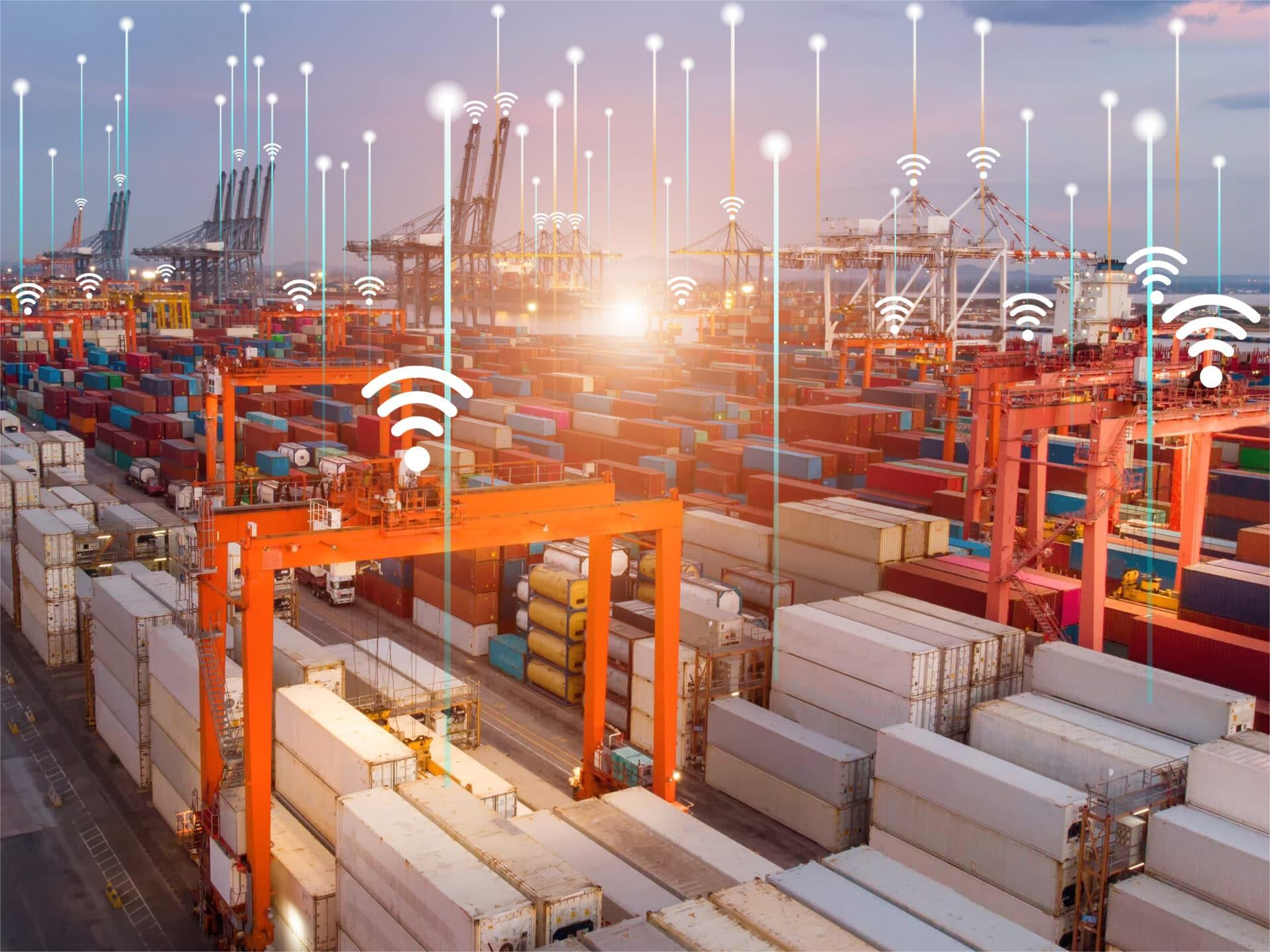
Ocean transport remains the backbone of global trade due to its incredible cost-efficiency for large volumes. Specifically, sea freight offers the lowest price per unit for businesses moving heavy machinery or bulk consumer goods. However, the primary trade-off for these low costs is the significantly longer transit time compared to other modes.
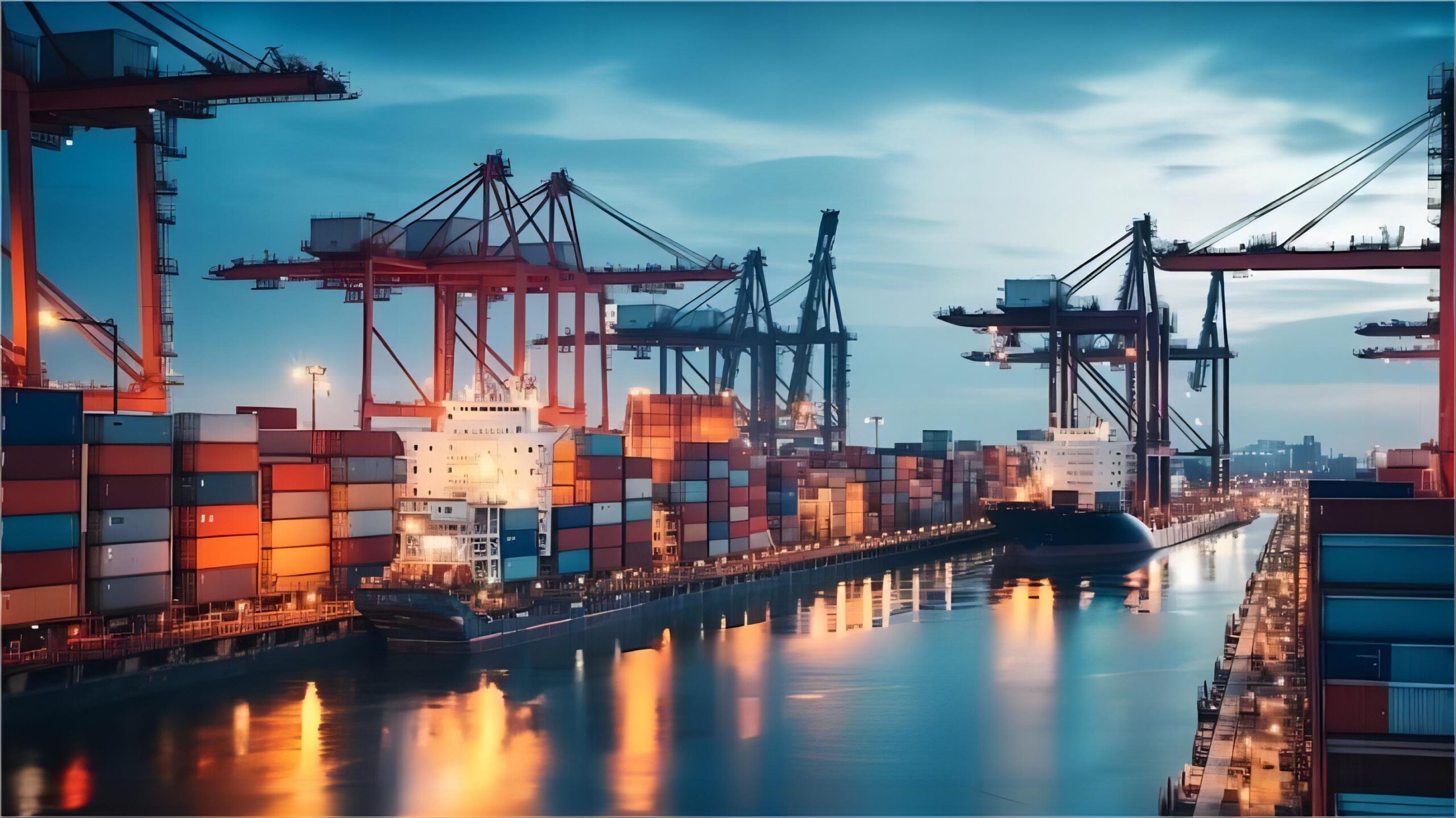
Moreover, sea freight is less susceptible to the weight restrictions that often limit air cargo shipments. Therefore, it serves as the most practical solution for non-urgent inventory replenishment and large-scale manufacturing components. Meanwhile, recent logistics trends show a stabilization in ocean rates after the disruptions seen in previous years.
Consequently, choosing the right method depends heavily on your specific delivery schedule and budget constraints. For instance, while sea freight is economical, it may not suit high-value electronics that require rapid turnover. In contrast, businesses with predictable demand cycles find ocean transport to be the most reliable foundation for their supply chain.
| Shipping Method | Cost Range | Transit Time | Best For | Limitations |
|---|---|---|---|---|
| Sea Freight | $2,000 – $4,200 | 30 – 45 Days | Bulk / Heavy Goods | Long transit times |
| Rail Freight | $4,500 – $7,500 | 15 – 22 Days | Mid-value cargo | Infrastructure limits |
| Air Freight | $8,000 – $15,000+ | 3 – 7 Days | High-value / Urgent | High cost / Weight caps |
| Express | $12,000+ | 2 – 5 Days | Small parcels | Very expensive |
Why Rail Freight is a Strategic Choice for Germany?
The Trans-Eurasian rail network has revolutionized the way companies approach China to Europe shipping Germany. By utilizing rail freight, importers can achieve a perfect balance between the speed of air and the economy of sea. Indeed, this middle-ground solution has become increasingly popular for automotive parts and fashion industries.
Furthermore, rail transport offers a more environmentally friendly alternative to air freight with significantly lower carbon emissions. Additionally, the stability of rail schedules provides a level of predictability that helps managers plan their inventory more effectively. Consequently, many German companies now include rail as a core component of their logistics strategy.
Nevertheless, rail freight does have specific geographic limitations and requires specialized cargo handling at border crossings. For example, shipments must undergo gauge changes at the borders of Russia and Belarus. Despite these technical hurdles, the time savings of nearly two weeks over sea freight make it a compelling option for many.
When Should You Invest in Air Freight Services?
Speed is the ultimate advantage when you opt for air freight for your international shipments. Without a doubt, this method is essential for launching new products or handling emergency stock shortages. Although the costs are higher, the reduction in inventory holding costs often justifies the investment for premium goods.
In addition, air transport provides superior security for high-value items like luxury goods and sensitive electronics. Therefore, the risk of damage or theft is significantly minimized compared to longer sea voyages. Meanwhile, the streamlined customs process at major airports like Frankfurt or Munich speeds up the final delivery to your warehouse.
However, businesses must carefully calculate the volumetric weight of their cargo before booking air services. For instance, bulky but light items can incur surprisingly high charges due to the space they occupy on the aircraft. To summarize, air freight should be reserved for scenarios where the time-to-market is the most critical factor for success.
Understanding FCL vs LCL for China to Europe shipping Germany
Deciding between Full Container Load (FCL) and Less than Container Load (LCL) is a critical step in cost optimization. If your shipment occupies more than 15 cubic meters, FCL is generally the more economical and secure choice. On the other hand, LCL allows smaller businesses to share container space and only pay for the volume they use.
Moreover, FCL shipments usually experience faster transit times because they do not require the consolidation and deconsolidation steps of LCL. Consequently, your goods are handled less frequently, which reduces the potential for accidental damage during transit. Nevertheless, LCL remains a vital tool for startups and companies testing new product lines in the German market.
Additionally, the pricing for LCL is often calculated per cubic meter, making it easier to predict costs for smaller batches. For example, if you are shipping 5 CBM of cargo, LCL at $80 per CBM is far cheaper than paying for a whole 20GP container. Ultimately, your choice should reflect both your current inventory needs and your long-term budget goals.
| Container Type | Capacity (CBM) | Max Weight (kg) | Typical Rate |
|---|---|---|---|
| 20GP Container | 28 – 30 CBM | 21,000 kg | $1,800 – $2,500 |
| 40GP Container | 56 – 58 CBM | 26,000 kg | $2,800 – $3,800 |
| 40HQ Container | 68 – 70 CBM | 26,000 kg | $3,000 – $4,200 |
| LCL (per CBM) | 1 – 15 CBM | Varies | $50 – $120 |
The Importance of Professional Customs Brokerage
Navigating German customs regulations can be a daunting task for any importer without local expertise. Utilizing a professional customs brokerage service ensures that all duties and taxes are calculated accurately. Furthermore, correct classification of goods under the Harmonized System (HS) codes prevents costly delays and potential fines.
In addition, German authorities require specific documentation, including the commercial invoice, packing list, and certificate of origin. Consequently, missing or incorrect paperwork can lead to shipments being held at the port for weeks. Therefore, having a partner who understands the nuances of EU import laws is essential for maintaining a smooth supply chain.
Meanwhile, the implementation of the Import Control System 2 (ICS2) has added new layers of security filing requirements for all cargo entering the EU. Accordingly, early submission of data is now more important than ever to avoid bottlenecks. Indeed, proactive customs management is often the difference between a successful delivery and a logistics nightmare.
Simplifying Logistics with Door to Door Solutions
Managing multiple carriers and warehouse providers can quickly become overwhelming for busy business owners. By choosing door to door services, you entrust the entire logistics chain to a single point of contact. This integrated approach covers everything from the factory pickup in China to the final delivery at your German office.
Moreover, this service model provides better visibility and tracking throughout the entire journey of your goods. Consequently, you can spend less time worrying about logistics and more time focusing on growing your business. For instance, the freight forwarder handles the inland trucking, port operations, and final mile delivery seamlessly.
Additionally, door-to-door shipping often includes cargo insurance and customs clearance as part of a comprehensive package. To summarize, while the upfront cost might seem higher, the time saved and the reduction in coordination errors provide significant value. Without a doubt, it is the most convenient way to handle China to Europe shipping Germany.

Real Case Studies: China to Germany Shipping Success
Case Study 1: Electronics from Ningbo to Hamburg. A German retailer needed to move 2,000 units of smart home devices. They chose 40HQ FCL Sea Freight via Maersk. The ocean freight cost was $3,200 with a total door-to-door timeline of 38 days. The key insight was that early booking during the Q3 peak season saved them 15% on freight rates.
Case Study 2: Industrial Parts from Shenzhen to Duisburg. A manufacturing plant required urgent replacement components. They opted for Rail Freight to balance cost and speed. The LCL shipment of 8 CBM cost $1,200 in freight charges and arrived in 21 days. This allowed the plant to resume operations much faster than sea freight would have permitted.
Case Study 3: High-Value Samples from Shanghai to Munich. A fashion brand needed samples for a trade show. They used Air Freight, spending $950 for a 150kg shipment. The goods arrived in just 4 days, including customs clearance. This case demonstrates that for low-volume, high-urgency items, air freight remains the undisputed leader in performance.
Note: Freight rates are subject to change based on fuel costs, carrier capacity, and seasonal demand. Contact us for a current quote tailored to your specific shipment.
Which Option Should You Choose for Your Business?
Selecting the ideal shipping method requires a careful analysis of your current business priorities. If your primary goal is budget priority, then sea freight is the clear winner for almost all large-scale shipments. However, if speed priority is your main concern, air freight is the only way to meet tight deadlines.
Furthermore, you must consider the nature of your cargo when making this decision. For example, perishable goods or fragile electronics may require the stability and speed of air or rail rather than the long duration of a sea voyage. Meanwhile, hybrid solutions like sea-air combinations can offer a middle ground for certain regions.
Consequently, we recommend that businesses maintain a flexible logistics strategy that utilizes different methods based on seasonal demand. For instance, use sea freight for baseline stock and air freight for top-up orders during peak shopping months. By diversifying your shipping modes, you can protect your supply chain against unforeseen disruptions in any single transport sector.
Final Thoughts on Shipping from China to Germany
In conclusion, mastering China to Europe shipping Germany is essential for any business looking to succeed in the competitive European market. By understanding the differences between sea, rail, and air freight, you can make informed decisions that balance cost and speed effectively. Moreover, partnering with an experienced freight forwarder ensures that your customs and documentation needs are handled with professional care.
As market conditions continue to evolve in 2025, staying adaptable and informed will be your greatest advantage. Whether you are shipping full containers or small parcels, the right logistics strategy will enhance your supply chain resilience and profitability. Therefore, take the time to evaluate your options and choose a partner that truly understands the complexities of the China-Germany trade route.
Ready to streamline your logistics?
Ready to optimize your China to Europe shipping Germany strategy? Our team of logistics experts is standing by to provide you with a customized quote and professional advice. Visit our website or send an inquiry to streamline your international trade today.
Request Quote