

Shipping from China to Spain: The Complete 2025 Logistics Guide
Navigating the complexities of shipping from china spain requires a strategic approach to ensure your supply chain remains both efficient and cost-effective. Consequently, partnering with a seasoned freight forwarder like China Freight Service is essential for managing the intricate logistics between these two global trade hubs. This comprehensive guide explores every facet of the transport process, from selecting the right shipping method to understanding the nuances of Spanish customs clearance. Whether you are a first-time importer or an experienced logistics manager, the following insights will help you streamline your operations and reduce overall landed costs.
What Are the Primary Methods for Shipping from China to Spain?
Selecting the most appropriate transport mode is the first critical decision in your logistics journey. Currently, three main options dominate the route: sea freight, air freight, and the increasingly popular rail freight. Each method offers a distinct balance of speed, cost, and capacity to suit different business needs. Moreover, the choice often depends on the specific nature of your goods and your required delivery schedule.
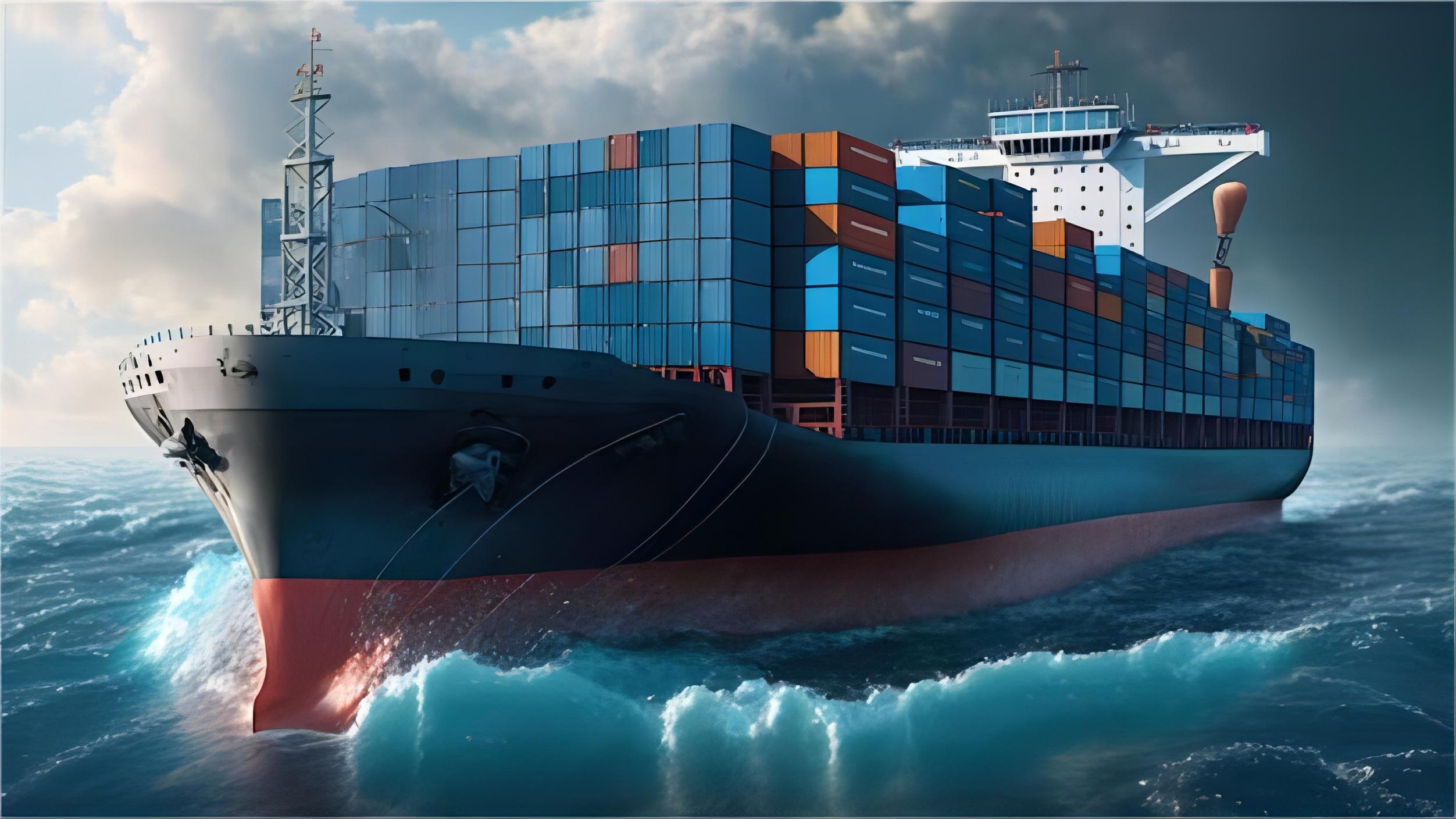
Choosing sea freight remains the most economical solution for high-volume shipments and bulky items. For instance, businesses importing furniture or machinery typically rely on ocean transport to keep unit costs low. On the other hand, air freight provides the fastest transit times, making it ideal for high-value electronics or urgent inventory restocks. Additionally, rail freight serves as a middle-ground solution, offering faster speeds than the ocean but at a lower price point than air transport.
Furthermore, express services are available for smaller parcels that require door-to-door delivery within a few days. These services leverage global courier networks to bypass traditional port-to-port delays. Nevertheless, for standard commercial cargo, the decision usually involves a trade-off between the long transit times of the sea and the high expenses of the air.
How Does Sea Freight Compare to Other Shipping Options?
Analyzing the differences between transport modes is vital for optimizing your logistics budget. Sea freight is generally categorized into Full Container Load (FCL) and Less than Container Load (LCL). While FCL offers better security and faster handling for large volumes, LCL allows smaller businesses to share container space and reduce costs. Consequently, sea freight is the backbone of international trade due to its massive capacity and low environmental impact per ton.
In contrast, air freight is significantly more expensive, often costing five to ten times more than ocean transport for the same weight. However, it reduces the need for high inventory levels by allowing for just-in-time delivery. Rail freight has emerged as a viable alternative, particularly for shipments from inland China. Specifically, the Yiwu-Madrid railway line has become a staple for European importers looking for a reliable overland route that avoids maritime congestion.
To summarize the differences, consider the following comparison table which highlights the key metrics for each shipping method.
| Shipping Method | Cost Range | Transit Time | Best For |
|---|---|---|---|
| Sea Freight (FCL) | $3,000 – $4,500 per 40HQ | 30-45 Days | Bulk goods and large volumes |
| Air Freight | $4.50 – $8.00 per kg | 3-7 Days | High-value or urgent cargo |
| Rail Freight | $150 – $250 per CBM | 18-24 Days | Medium-sized urgent shipments |
| Express Service | $9.00 – $15.00 per kg | 2-5 Days | Small parcels and samples |
Why Is Rail Freight a Game Changer for the China-Spain Route?
The Yiwu-Madrid railway line represents one of the longest and most significant rail routes in the world. Indeed, this overland connection offers a unique alternative for shipping from china spain by bypassing the Suez Canal entirely. This route is particularly beneficial during periods of maritime instability or port strikes. Moreover, rail freight provides a more stable pricing structure compared to the volatile ocean freight market.
Additionally, rail transport is considered more environmentally friendly than air freight, producing significantly fewer carbon emissions. Many European companies are now prioritizing rail to meet their sustainability goals. Consequently, the frequency of departures from major Chinese hubs like Chengdu, Xi’an, and Yiwu has increased to meet the rising demand from Spanish importers. Nevertheless, rail freight still requires careful planning as it involves multiple border crossings and gauge changes.
Furthermore, the door-to-door transit time for rail is often half that of sea freight. For example, a shipment leaving Yiwu can reach a warehouse in Madrid in approximately 22 days. This speed allows businesses to react more quickly to market trends without the exorbitant costs of air transport. Therefore, rail freight is increasingly viewed as a strategic tool for managing supply chain lead times.
What Is the Estimated Transit Time for Shipping from China to Spain?
Understanding transit times is crucial for inventory planning and meeting customer expectations. Several factors influence the duration of a shipment, including the chosen port of loading and the efficiency of customs clearance at the destination. Typically, shipments departing from southern Chinese ports like Shenzhen reach Spain faster than those from northern ports like Tianjin. Moreover, weather conditions and seasonal demand can cause unexpected delays.
Generally, sea freight takes between 30 and 45 days to reach major Spanish ports such as Barcelona, Valencia, or Algeciras. In contrast, air freight can deliver goods to Madrid or Barcelona airports in less than a week. Consequently, shippers must account for both the port-to-port time and the additional days required for inland haulage and documentation processing. Indeed, the total lead time is often longer than the actual time spent on the water or in the air.
Below is a detailed breakdown of the typical transit times by destination and method based on 2024-2025 market averages.
| Origin Port | Destination Port | Method | Est. Transit Time |
|---|---|---|---|
| Shenzhen | Valencia | Sea (Direct) | 28-32 Days |
| Shanghai | Barcelona | Sea (Transshipment) | 35-42 Days |
| Yiwu | Madrid | Rail | 20-24 Days |
| Guangzhou | Madrid | Air Freight | 4-7 Days |
How Much Does Shipping from China to Spain Cost in 2025?
Freight rates are subject to constant fluctuation based on fuel prices, carrier capacity, and global trade dynamics. As of early 2025, sea freight rates have stabilized following previous disruptions, though they remain higher than pre-2020 levels. Specifically, a 40-foot high cube (40HQ) container from China to Spain currently ranges between $3,200 and $4,800 depending on the departure port. Additionally, LCL rates typically fluctuate between $50 and $90 per cubic meter.
Air freight pricing is even more volatile, often changing on a weekly basis. For instance, peak season rates in October and November can see prices jump by 30% or more due to the surge in e-commerce demand. Furthermore, rail freight prices have become more competitive as infrastructure improves across Central Asia and Europe. Consequently, it is vital to obtain a real-time quote that includes all surcharges and local fees to avoid hidden costs.
Note: Freight rates are subject to change based on fuel costs, carrier capacity, and seasonal demand. Contact us for a current quote tailored to your specific shipment.

Which Shipping Option Should You Choose for Your Cargo?
Deciding on the best shipping method requires a clear understanding of your business priorities. If your primary goal is cost reduction and you have flexible timelines, sea freight is the undeniable winner. However, if you are dealing with perishable goods or high-value electronics, the speed and security of air freight justify the higher expense. Moreover, rail freight offers a compelling alternative for those who need a balance of both attributes.
Specifically, for shipments under 15 CBM, LCL sea freight is often more economical than renting a full container. Conversely, once your volume exceeds 15-20 CBM, FCL becomes the more cost-effective and secure choice. Additionally, hybrid solutions such as sea-air shipping can be arranged for shipments that are too urgent for the sea but too expensive for the air. To summarize, your decision framework should consider volume, budget, and the urgency of the delivery.
Furthermore, consider the total landed cost rather than just the freight rate. This includes duties, taxes, and local handling charges which can vary significantly between methods. Therefore, performing a comprehensive cost-benefit analysis is the best way to ensure long-term profitability for your import business.
What Customs Documentation Is Required for Spanish Imports?
Navigating the Spanish customs system is a critical step in the shipping from china spain process. Spain follows European Union regulations, which require specific documentation for all imports from non-EU countries. Failure to provide accurate paperwork can result in significant delays, fines, or even the seizure of goods. Consequently, many businesses utilize a professional customs brokerage to handle the complexities of the Spanish Tax Agency (Agencia Tributaria).
The primary document required is the Single Administrative Document (SAD), which serves as the import declaration. Additionally, you must provide a commercial invoice, a detailed packing list, and the Bill of Lading or Air Waybill. For certain goods, certificates of origin or CE marking documentation may also be necessary to prove compliance with EU safety standards. Moreover, having a valid EORI number is mandatory for any company looking to import goods into Spain.
To help you prepare, the following checklist outlines the essential documents needed for a smooth customs clearance process.
| Document Name | Purpose | Required For | Source |
|---|---|---|---|
| Commercial Invoice | Value verification | All shipments | Seller/Supplier |
| Packing List | Content verification | All shipments | Seller/Supplier |
| Bill of Lading | Title of goods | Sea shipments | Carrier |
| SAD (DUA) | Customs declaration | All imports | Customs Broker |
Real-World Case Studies: Shipping Success Stories
Examining real-world examples provides valuable context for how shipping from china spain works in practice. These scenarios illustrate the costs, timelines, and challenges faced by actual importers in the current market. By learning from these cases, you can better anticipate the requirements for your own shipments and avoid common pitfalls. Furthermore, door to door services were utilized in both examples to simplify the logistics chain.
Case Study 1: Furniture Import via Sea Freight. A Barcelona-based retailer imported a 40HQ container of home furniture from Ningbo. The ocean freight cost was $3,850, with a total transit time of 34 days. Key Insight: Booking 3 weeks in advance during the Q3 peak season saved the client 15% compared to last-minute rates. Total landed cost, including duties and local haulage, was approximately $6,200.
Case Study 2: Electronics Restock via Air Freight. A Madrid tech distributor required 500kg of high-end components from Shenzhen. Using air freight, the goods arrived at Madrid airport in 5 days at a cost of $6.50 per kg. Key Insight: Despite the high cost of $3,250 for freight, the fast turnaround allowed the client to fulfill a critical contract and avoid stockout penalties. The shipment cleared customs in just 24 hours.

Final Thoughts on Shipping from China to Spain
In conclusion, successfully managing shipping from china spain involves balancing speed, cost, and reliability. While sea freight remains the most popular choice for bulk goods, the rise of rail freight and the efficiency of air cargo provide essential alternatives for modern businesses. By understanding the transit times, cost structures, and customs requirements detailed in this guide, you can make informed decisions that enhance your competitive edge.
Moreover, the logistics landscape is constantly evolving, making it more important than ever to stay informed about market trends and regulatory changes. Partnering with an experienced freight forwarder will ensure that your shipments are handled with professional care from start to finish. Take the time to plan your shipments carefully, and your business will reap the rewards of a streamlined international supply chain.
Ready to streamline your logistics?
Optimizing your supply chain starts with choosing the right logistics partner. Whether you need sea, air, or rail solutions, our team is ready to provide you with competitive rates and expert guidance for shipping from china spain. Contact us today to request a personalized quote and ensure your cargo arrives safely and on time. Visit https://chinafreightservice.com/ to get started.
Request Quote